sites are long and wide, and there are lots of space between sites
relatively inexpensive daily rates, starting at $53/day depending on your site and season
10 minutes from the closest no-toll highway
roughly 20 minutes from San Diego and the ocean
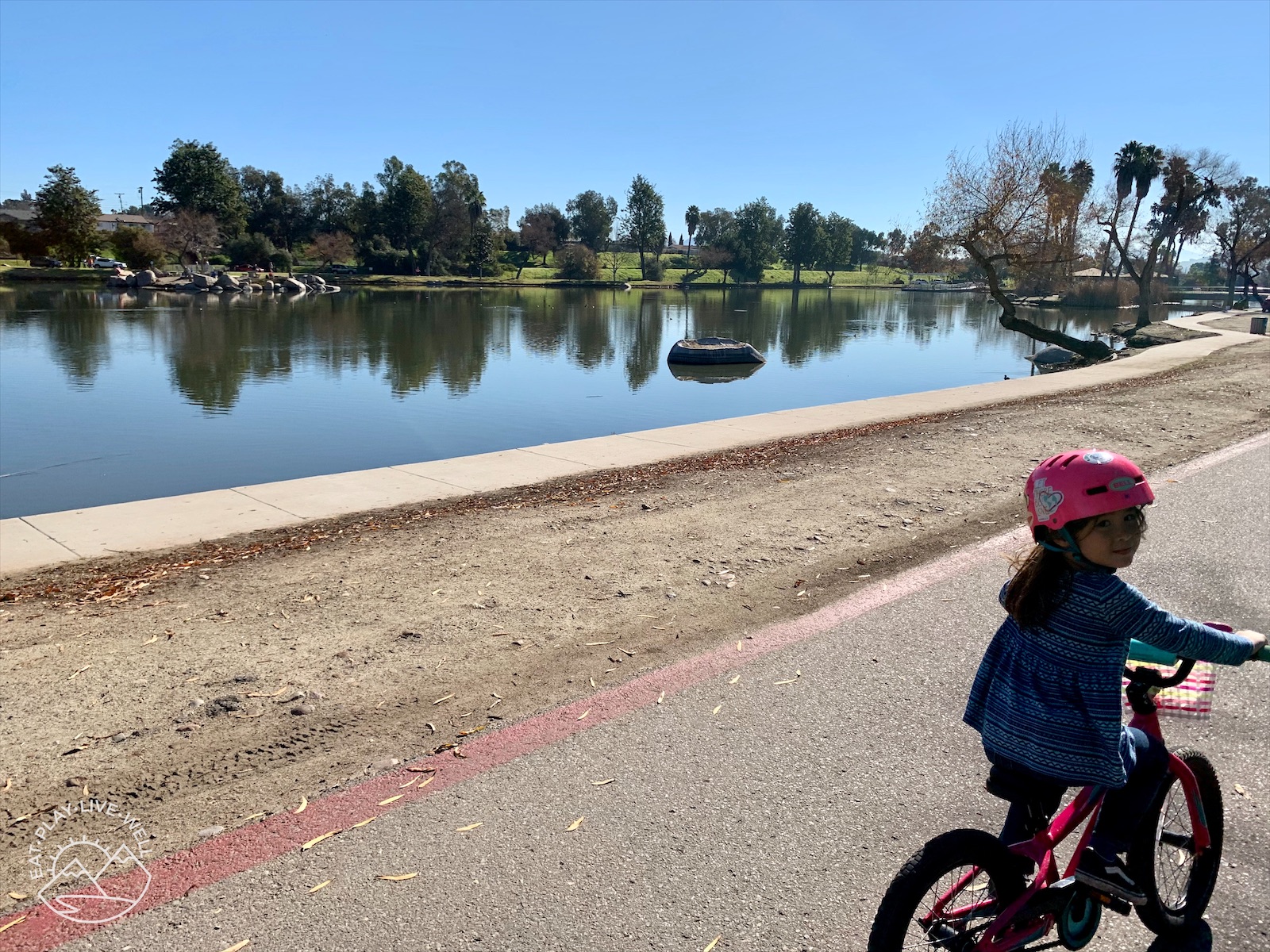
access to a 190-acre park, seven lakes, playgrounds, walking trails, fishing, boating, and more
most of the sites are level and paved
they offer camper, trailer, cabin (regular and floating), and tent camping – many with access to water, power, and sewer
the park rangers are courteous and drive through the park regularly
it’s pretty quiet after hours
they have clean restrooms and laundry area
Cons:
you can have campfire at your site, but you must have your own fire receptacle, and the campfire must be contained and off the ground
they have a limit of 6 people (campers and guests) per site, extra camper/guest (age 3 and up) costs $2 per person
pets are permitted with a fee of $3 per pet
Although this park offers numerous different amenities, many of them are currently closed due to COVID-19, including the playgrounds, fishing piers, and the General Store. Check their site for complete details. Besides taking walks and riding bikes, we didn’t get to experience the park as much as we could have. We didn’t have a dog yet at the time, but they do have an off-leash dog area we know Berkeley would have enjoyed. There are two swimming pools on site (one heated) and a spa. You can rent a pedal boat, kayak or canoe and see some of the park while going around Lake 5. There’s definitely lots of fun things to do when they start lifting the COVID-19 restrictions, so be sure to keep them in mind if you’re visiting San Diego in the future.
RESERVED SITE: 130. It’s a back-in site with lots of space between you and your neighbors, close to keypad gate by main road, laundry room, restrooms and shower, playgrounds, and extra parking spaces.
sites are long and wide, and there are lots of space between sites
inexpensive daily rates, average $35/day depending on your site
10 minutes from the closest no-toll highway
roughly 20 minutes from San Diego and the ocean
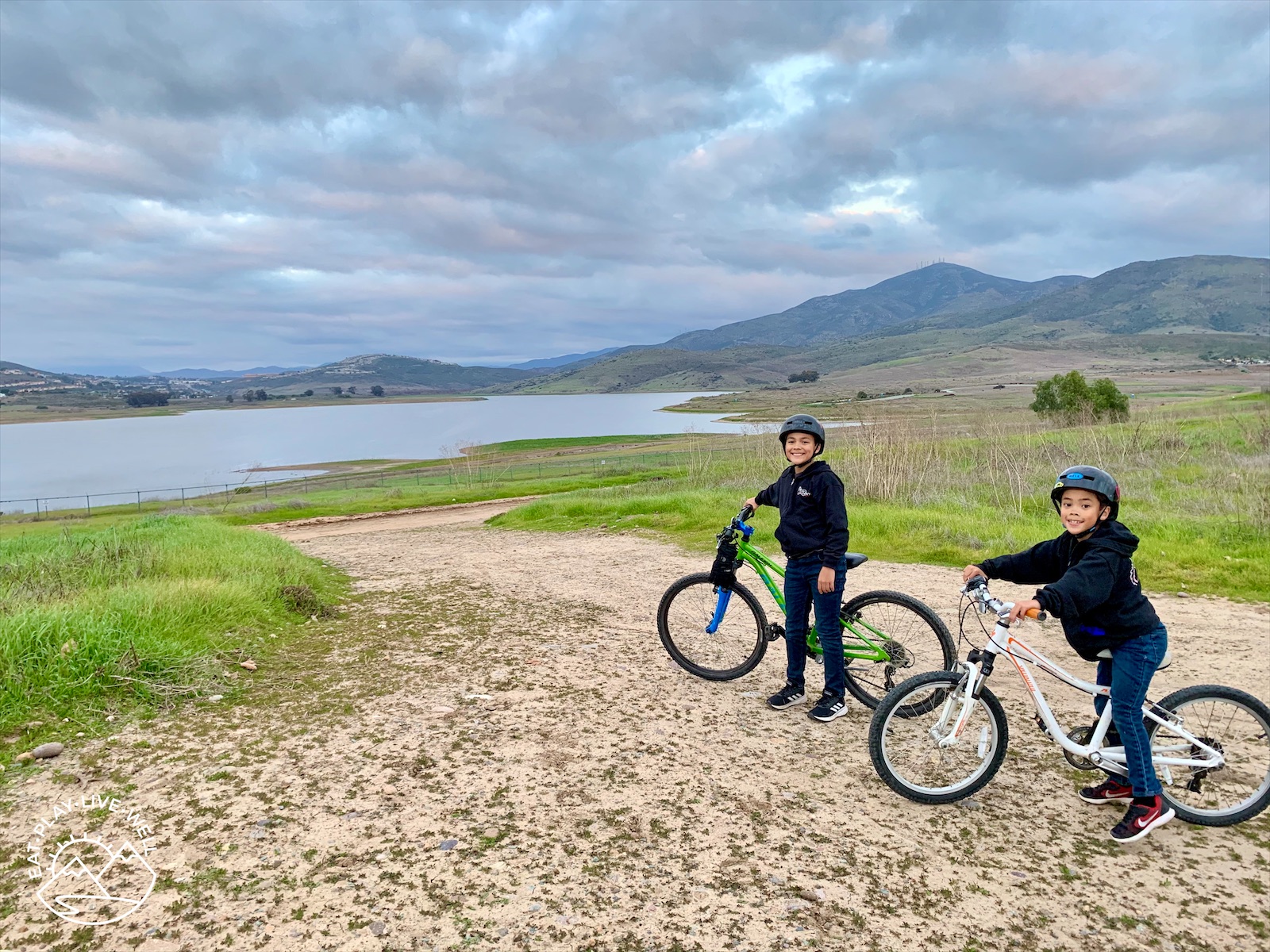
access to playgrounds, equastrian paths, and hiking and cycling routes
most of the sites are level and paved
all sites have fire pits
they offer camper, trailer, and tent camping among 112 sites – many with access to water, power, and sewer
the park rangers are all very nice and drive through the park regularly
although the park is close to the highway, it’s pretty quiet throughout the area
clean restrooms and coin-operated showers
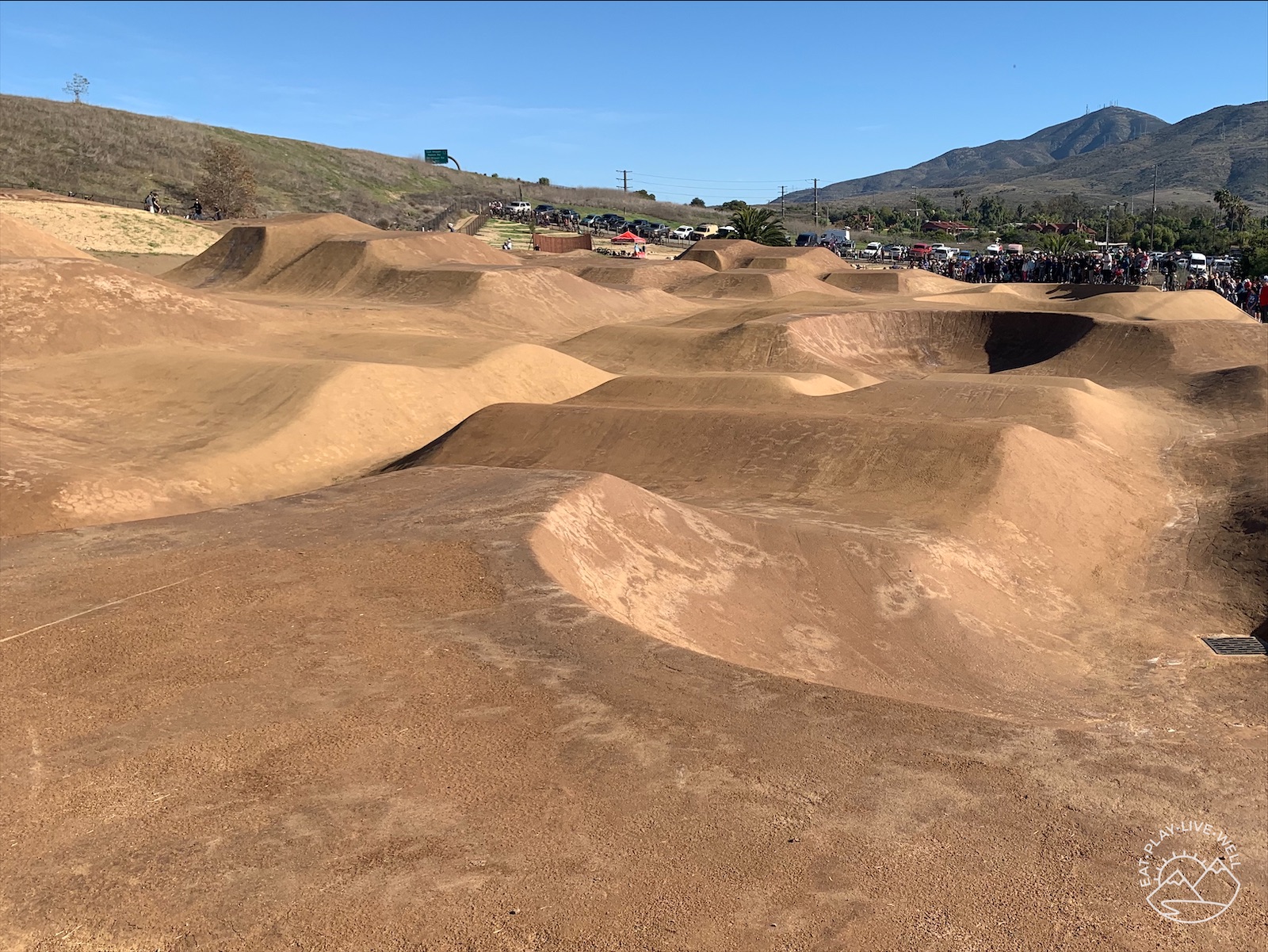
new bike pump track at the base of the park entrance (free to the public but currently closed)
Cons:
no laundry on site
pincher bugs (earwigs) everywhere (we still found some under our RV weeks after we left the park)
no monthly rates (you can only stay at park for 21 days at a time)
even if you have reservations, there is only one lane to go in making the wait time very long during check-in time
$3/day for an extra vehicle or visitors
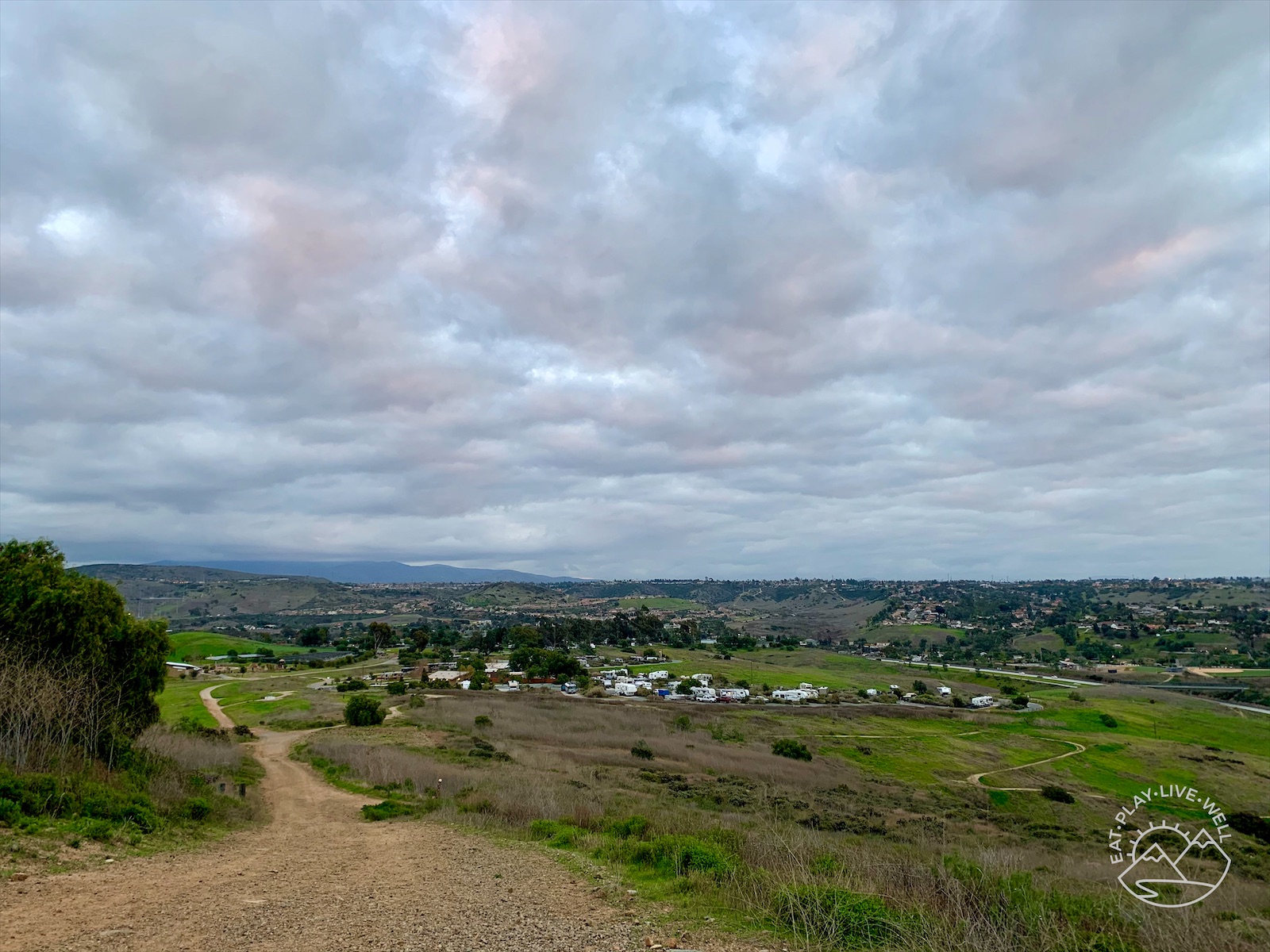
View of the RV park from the hill behind the park
This was one of the very first campgrounds we stayed at when we first started our journey. We were still living in San Diego at the time, but we had already moved out of our condo and staying full-time in the Airstream. The kids were still involved in Scouts, training at their martial arts studio, taking music lessons, and taking classes at their homeschool enrichment center. So we had to find a place we could stay at that wasn’t too far from everything the kids had to go to. We absolutely loved this RV park. It was a great starting point to break in the RV, learn the ins and outs of full-timing, as well as figure out what we could do without or still needed to live comfortably. It’s definitely on our list of parks we would stay at again. You can get more info on their website or on their their current brochure.
RESERVED SITE: We had several sites while we were there, but our favorite was 125. It was a pull-through, full hook-up site that overlooked the canyon.
We have been asked a lot of questions in regards to our new home on wheels, so we thought that instead of answering them one-by-one, we would answer them on this post, just in case anyone else had the same questions.
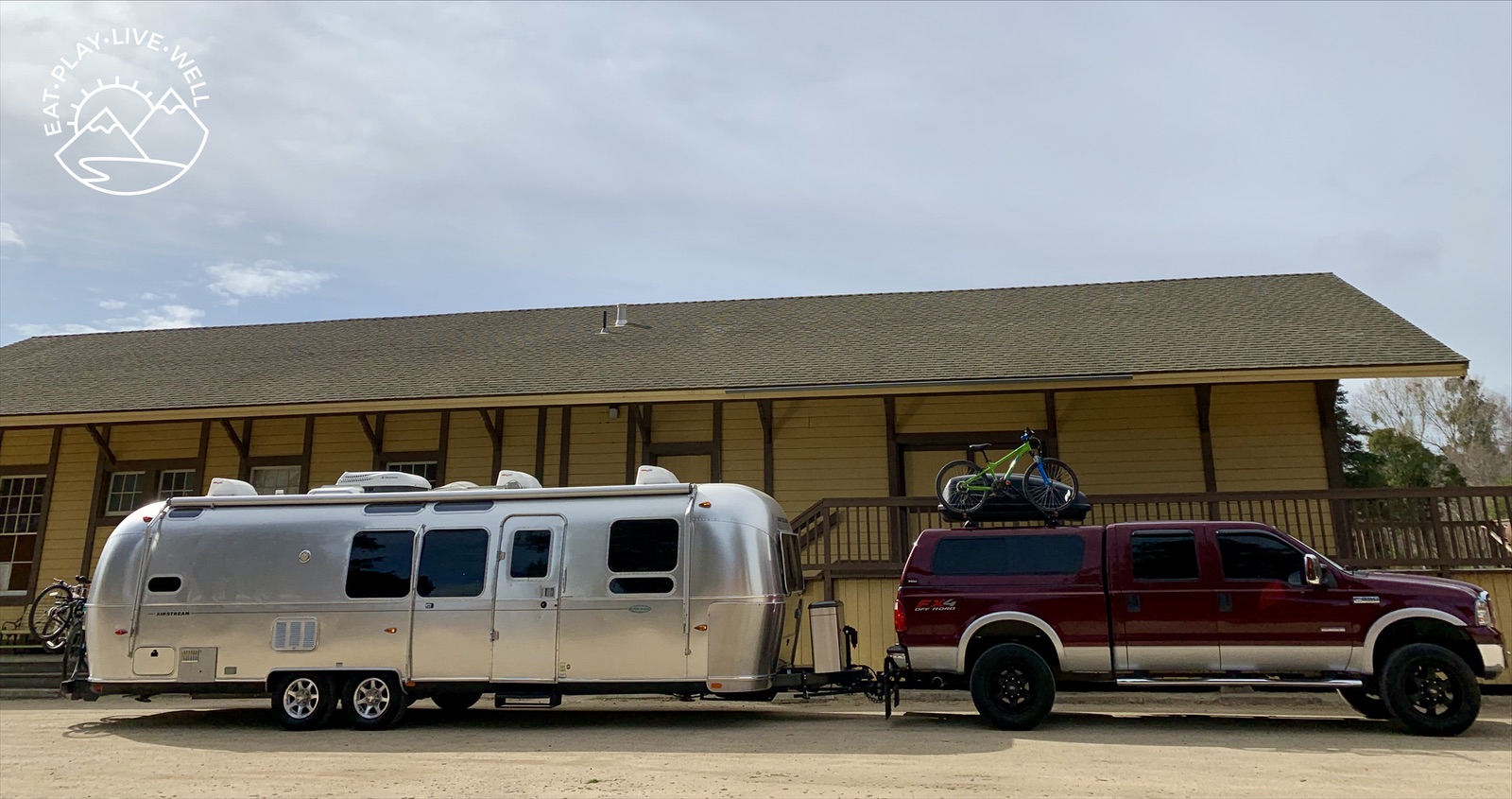
What kind of travel trailer did you get?After years of research and listing out pros and cons, we finally decided on getting an Airstream for our first full-time. It took us 3 months of constant online search for the perfect one. In the end, we bought a 2014 Airstream Flying Cloud 30FB.
When and where did you get your Airstream?We picked up our Airstream from A to Z Motors in Winters, CA on Black Friday 2019. We had the best customer experience with Vince Cardinale and his crew.
What are you driving to pull your Airstream?We bought a 2006 Ford F350.
Have you ever pulled lived or camped in a travel tailer, motorhome, or anything similar?Nope, we are complete newbies.
What made you want to live this lifestyle?We have been talking about it for a few years, and we had always talked about getting an RV after the kids moved out of the house so we could visit all of them, should they leave the city or state. But, we kept asking ourselves, “Why wait until the kids are grown? Why not just do it now?” Our oldest daughter is going to be in high school next year, and we thought now is the time to do this. They’re not getting any younger, and why not enjoy these travels with them, too? Besides, we never read about other families or known anyone who has lived this lifestyle and regretted making the decision to do so.
When did you start full-timing?We started full-time living in our Airstream on December 31, 2019 (we were to vacate our condo that day). We didn’t start full-time traveling until February 2, 2020.
Where was your first destination when you started full-time traveling?We are residents of San Diego, CA and planned on touring the California Missions as we worked our way north to Washington state. Our first stop was Oceanside, CA to visit Mission San Luis Rey de Francia.
Did you have a specific date in mind to start full-timing?Yes, we knew we wanted to start our travels in February 2020. As weeks passed, and we didn’t find the right trailer, we started to think that we would have to postpone our plans, but everything eventually worked out. Obviously!
How many are in your family?We are a family of six with four kids ages 5, 8, 11, and 13.
What do you do to make sure your kids continue to be educated?We have been homeschooling since our oldest could talk. It was pretty easy transition teaching them from our home to our Airstream.
What do you do for a living?My husband owns and manages his own graphic and web design company called LCreatives. He designs marketing pieces, original logos, and branding collateral for the commercial real estate industry, healthcare companies, mom-and-pop shops, etc. I am a Wellness Executive for doTERRA essential oils and help provide guidance to people who want to live a cleaner, simpler, and more minimal lifestyle. Our oldest daughter is the first Youth Ambassador for Sanctuary Girl, a company that inspires and empowers through their jewelry pieces and home accents.
Do you still have your home in San Diego?No, we don’t.
How much of your stuff did you keep before going full-time?We kept only about 5% of our stuff in a storage unit, mostly memorabilias like photographs, kids’ school and art work, and their treasured dolls, books, and toys. We kept one set of furniture: our dining room table and chairs. There is something about it that we just couldn’t part with. The rest of our stuff were either sold or donated.
Was it difficult to go through your things and pick which items to keep and which ones to let go?In the beginning, when we had more time, it was easier. I spent time going through them and enjoying the memories that came with them. But as months turned into weeks, and with the holidays taking up most of the calendar, we were starting to lose time, and it got really hard after awhile. We literally put the last of our things in the storage at about 6 p.m. New Years Eve. Talk about cutting it close.
Did you give your truck and Airstream names? Yes, after much talk with the kids, we have named the truck “The Beast,” and we call our home on wheels, “Mr. Bean.” That’s right. Our Airstream has been named after the funny and annoyingly likable character from one of the kids’ favorite movies, “Mr. Bean’s Holiday.” It does look like a (silver) bean, doesn’t it?
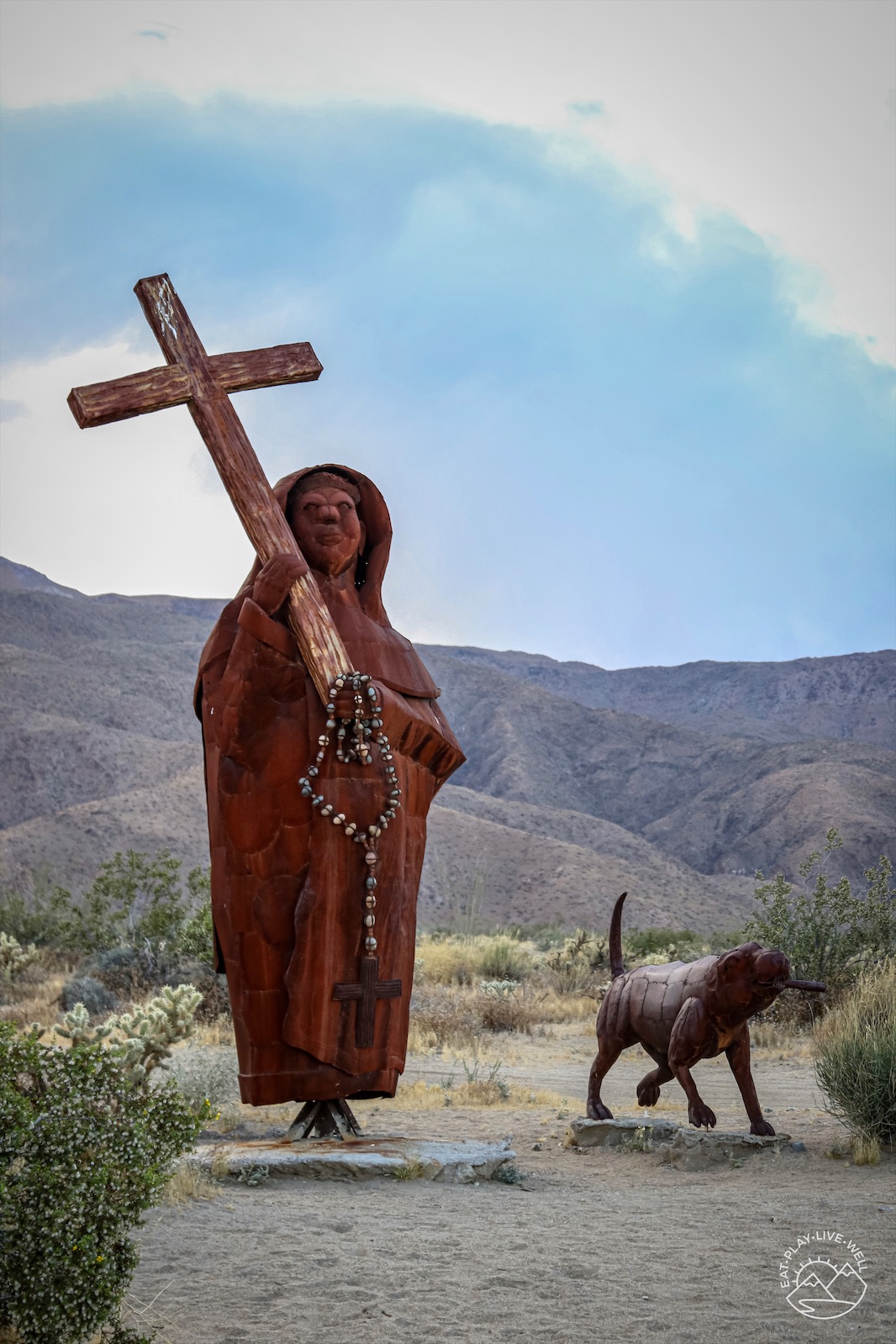
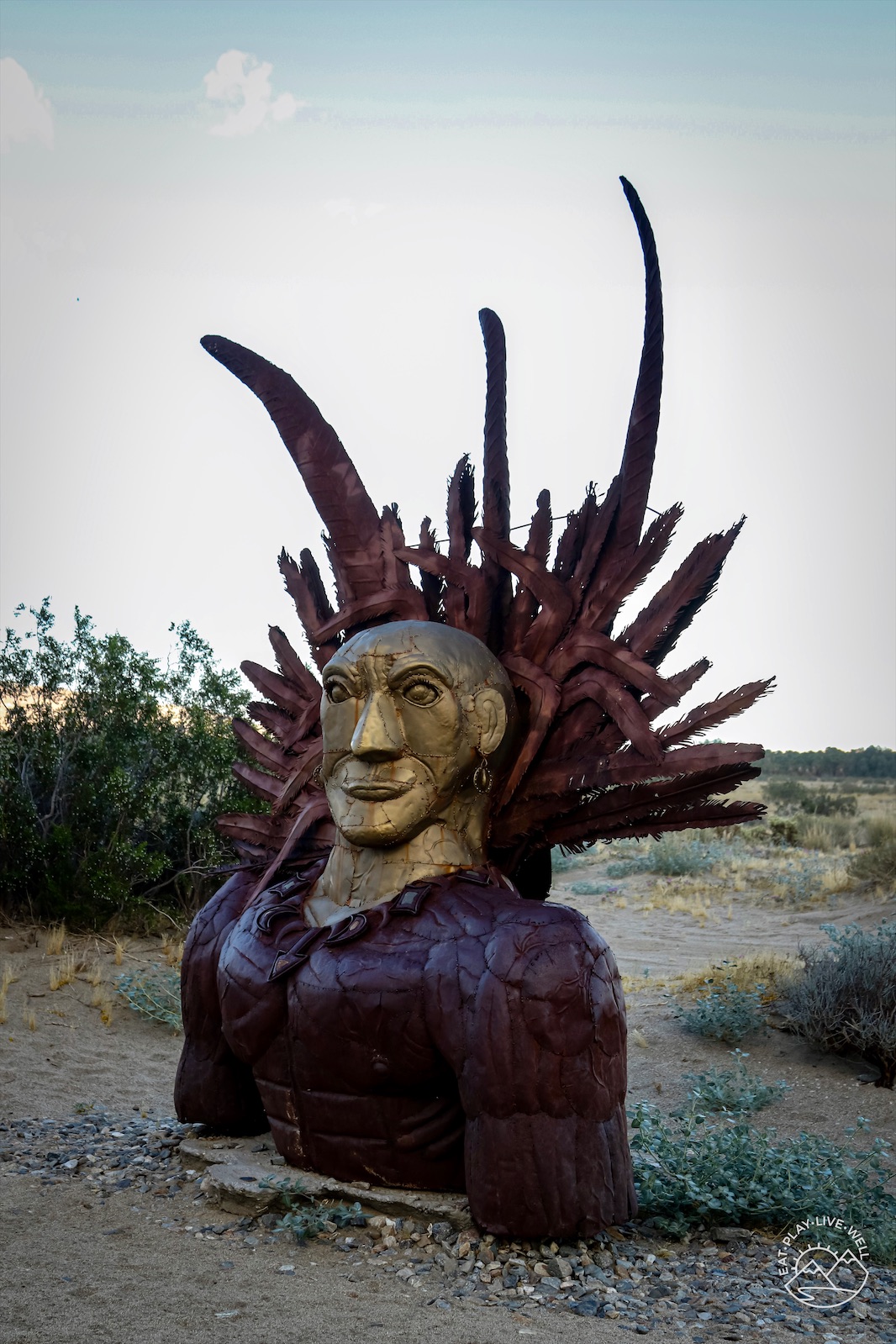
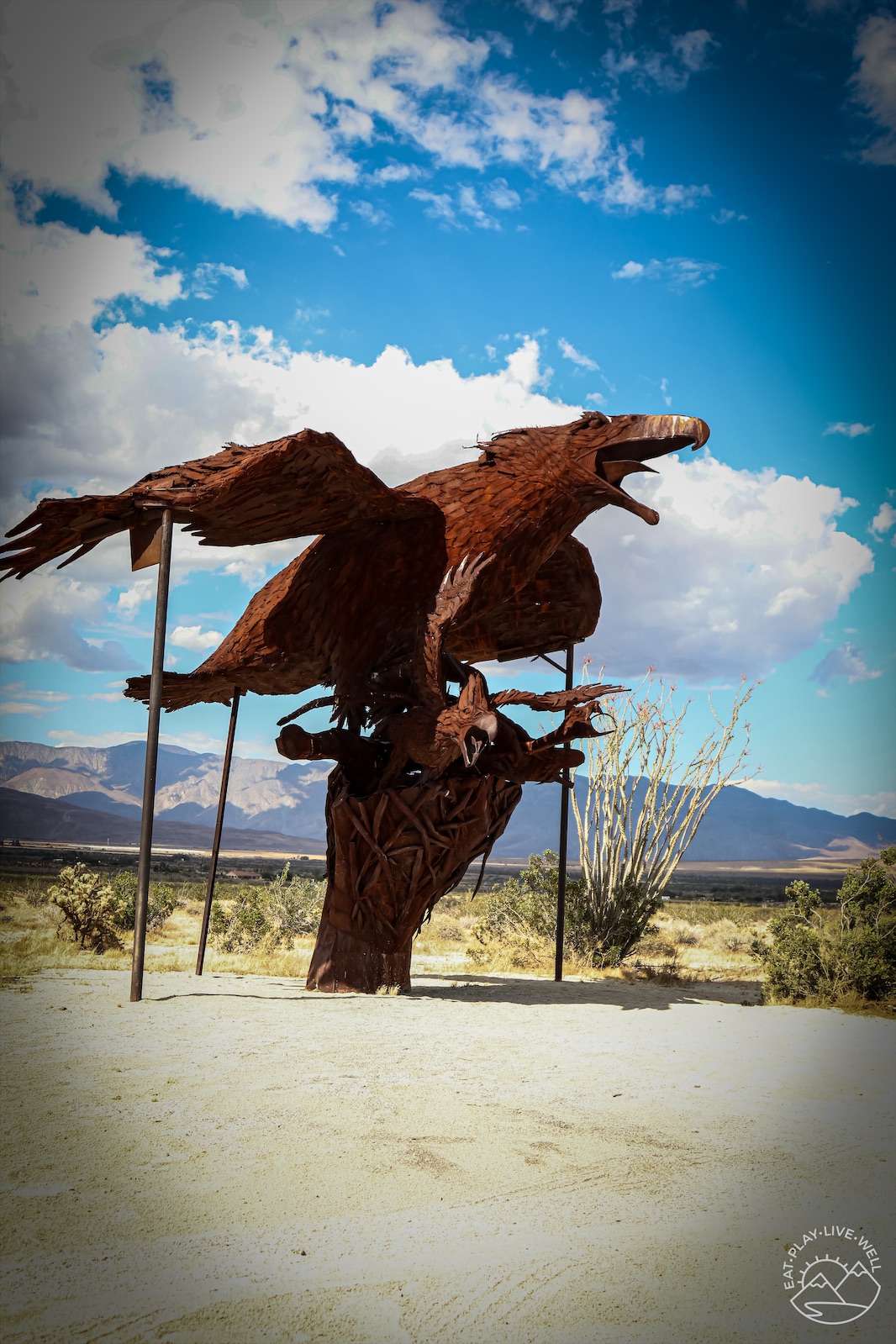
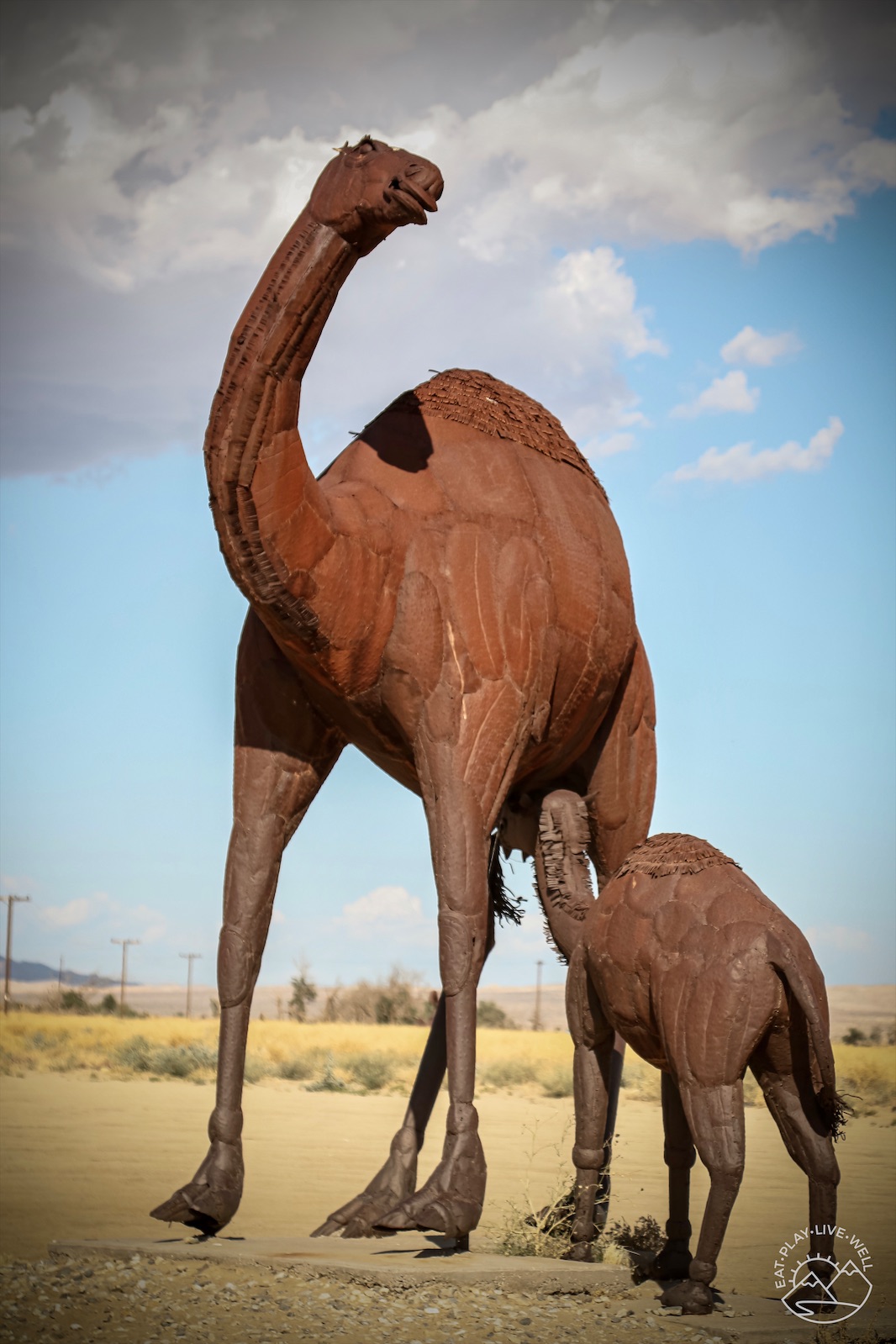
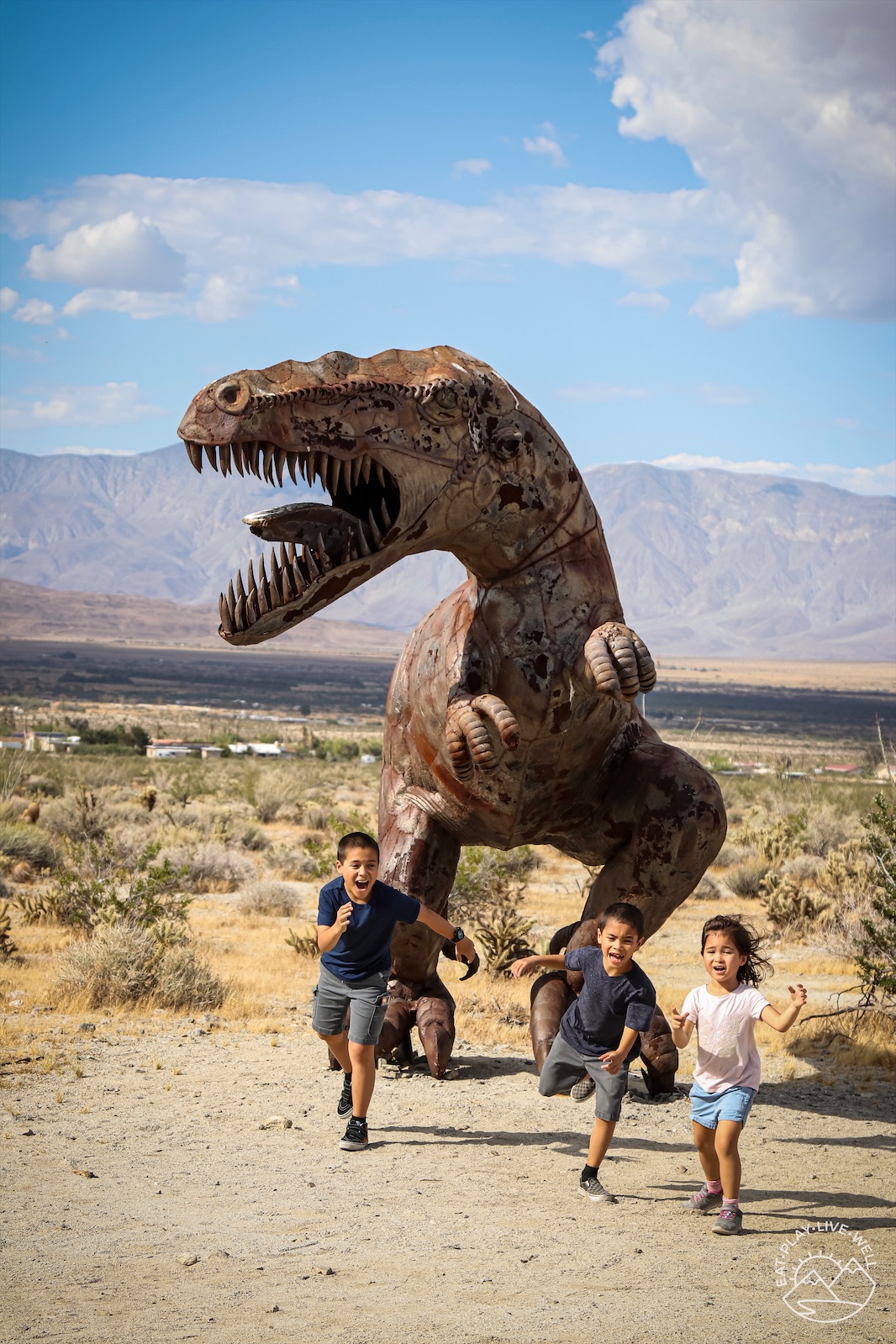
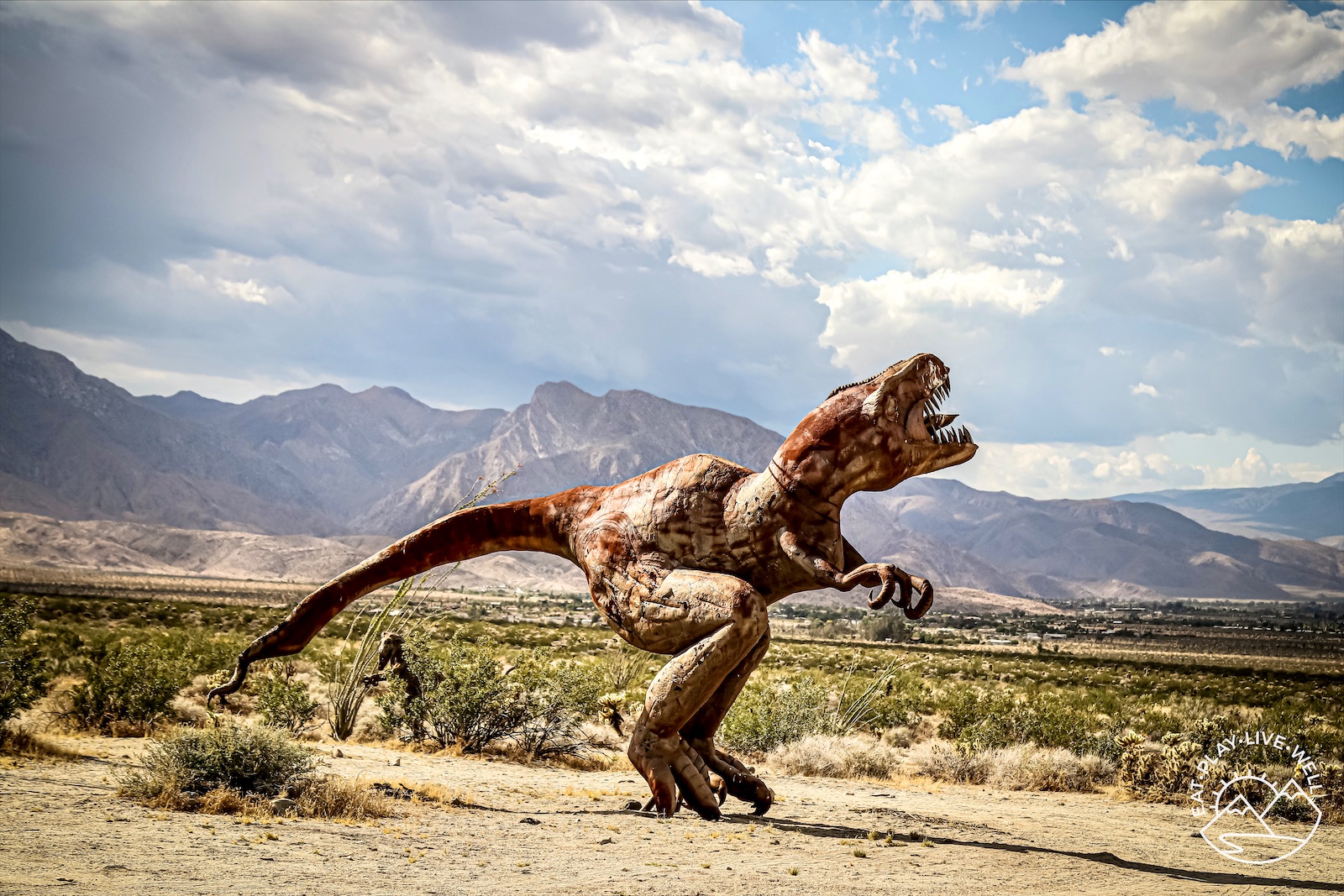
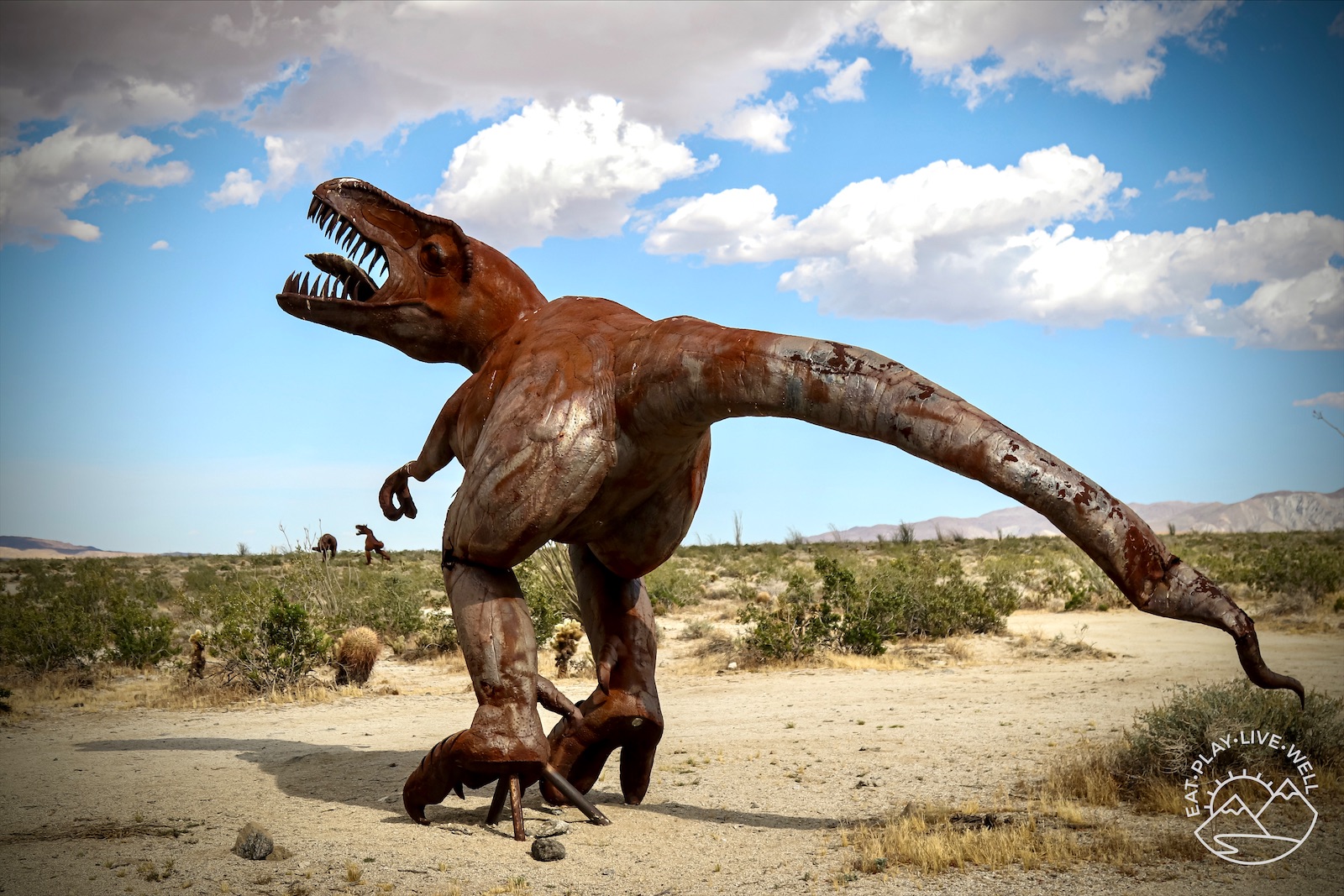
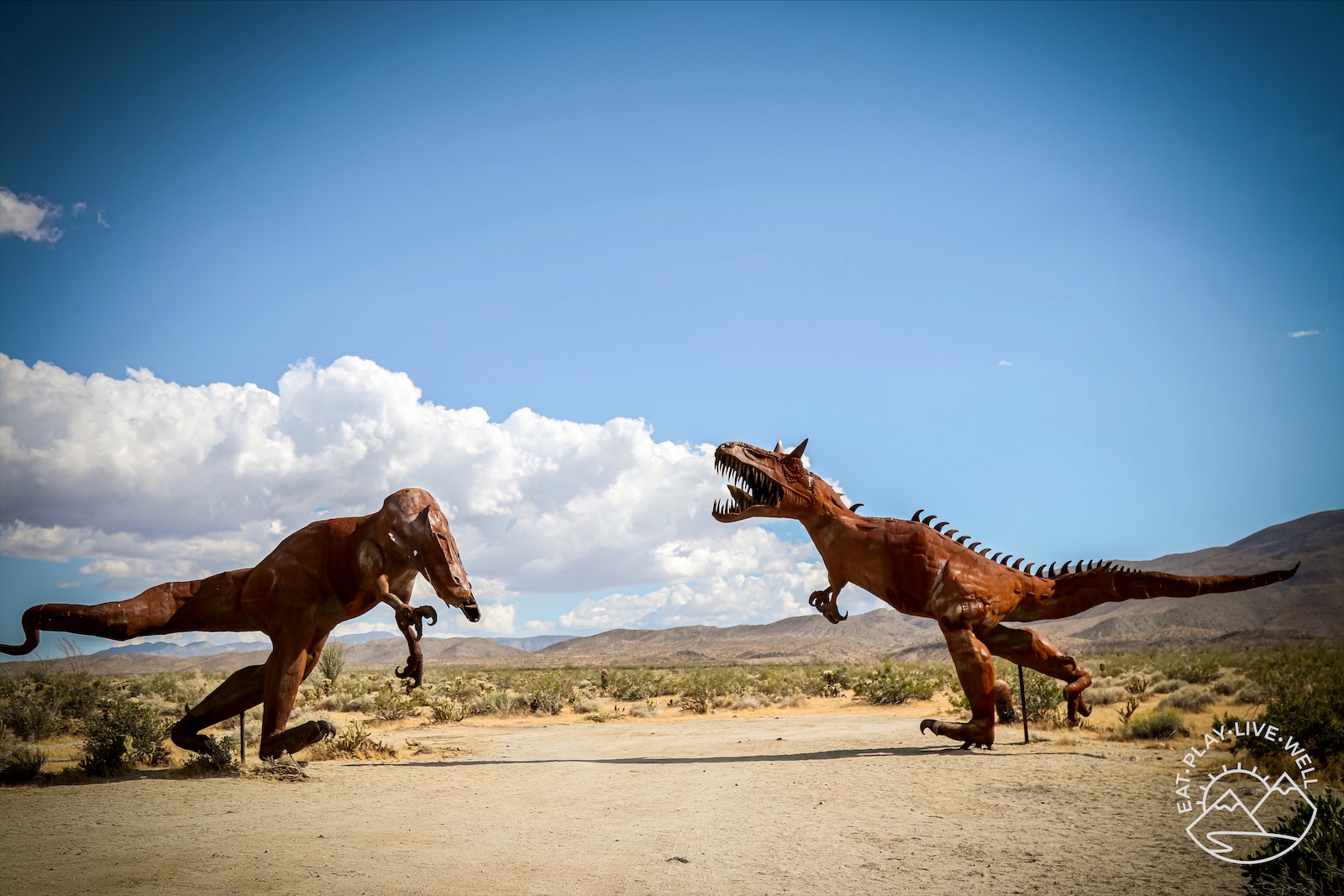
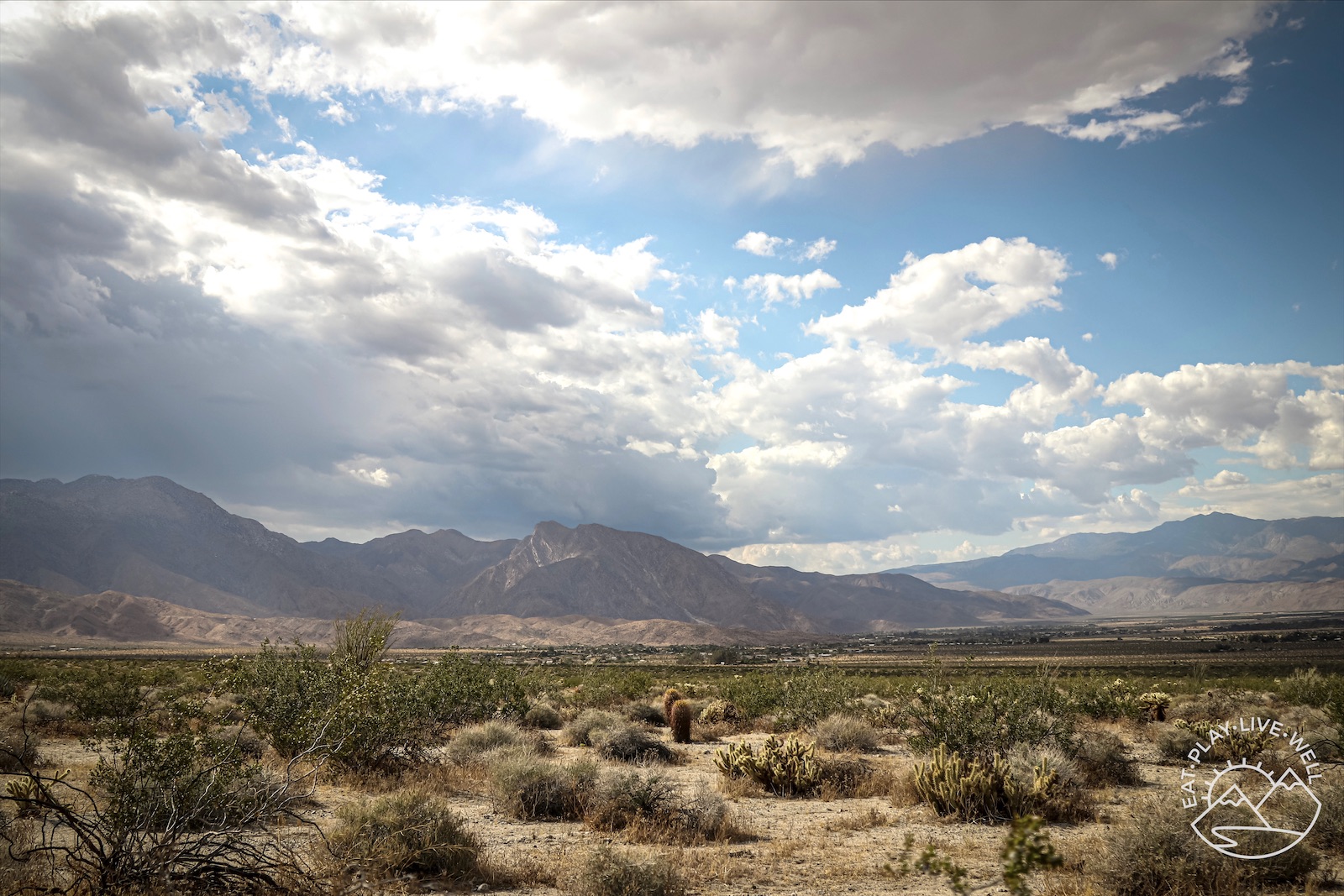
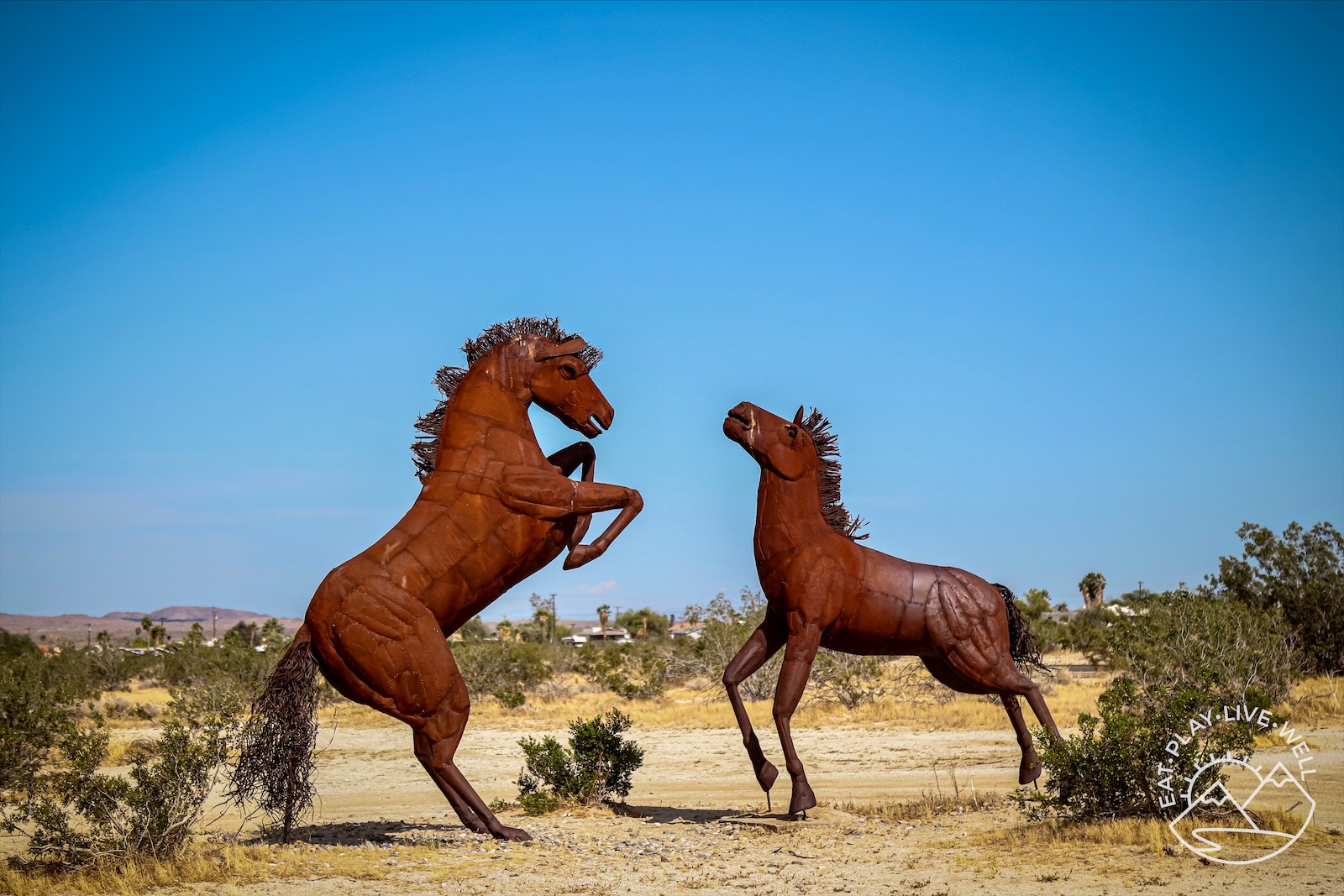
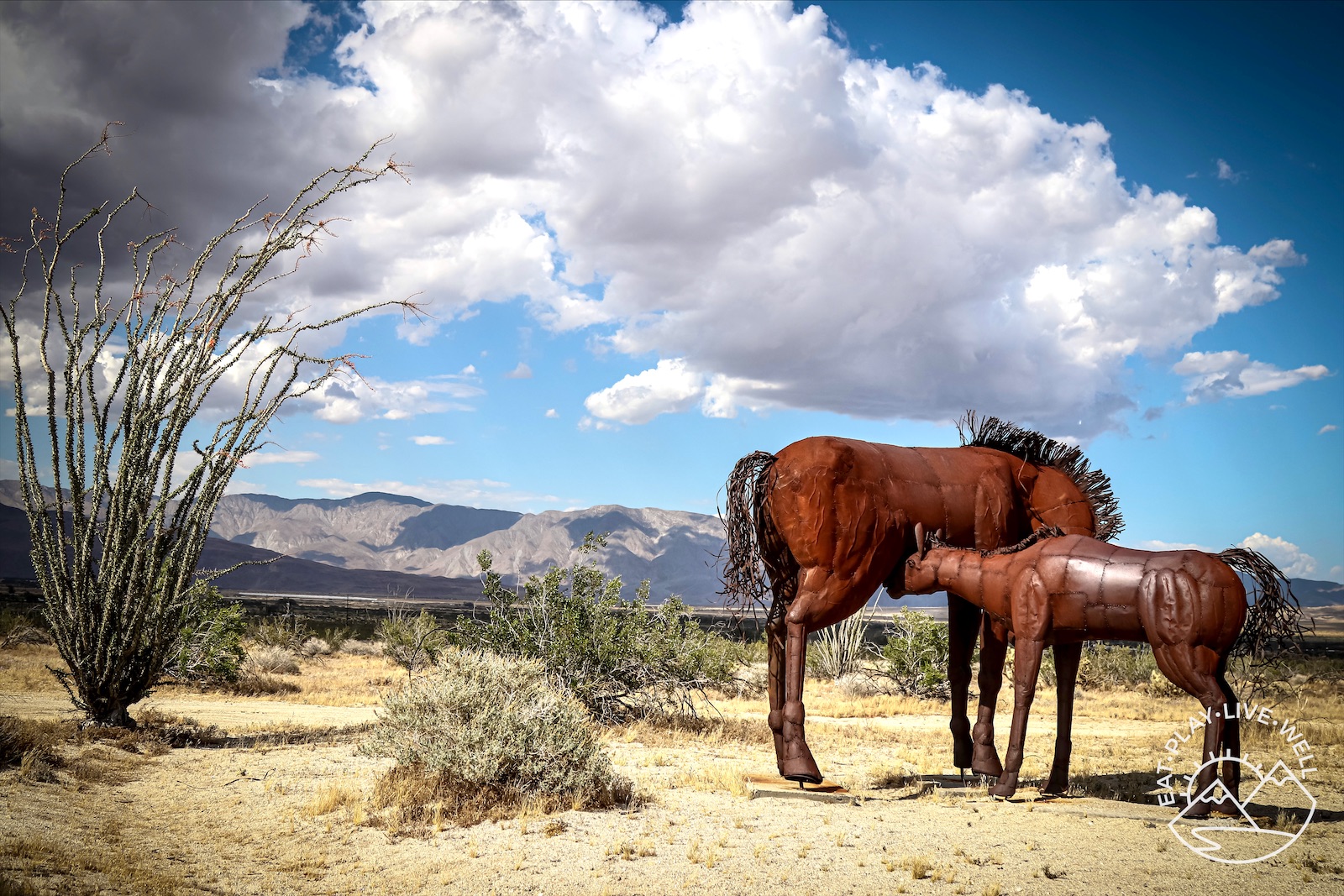
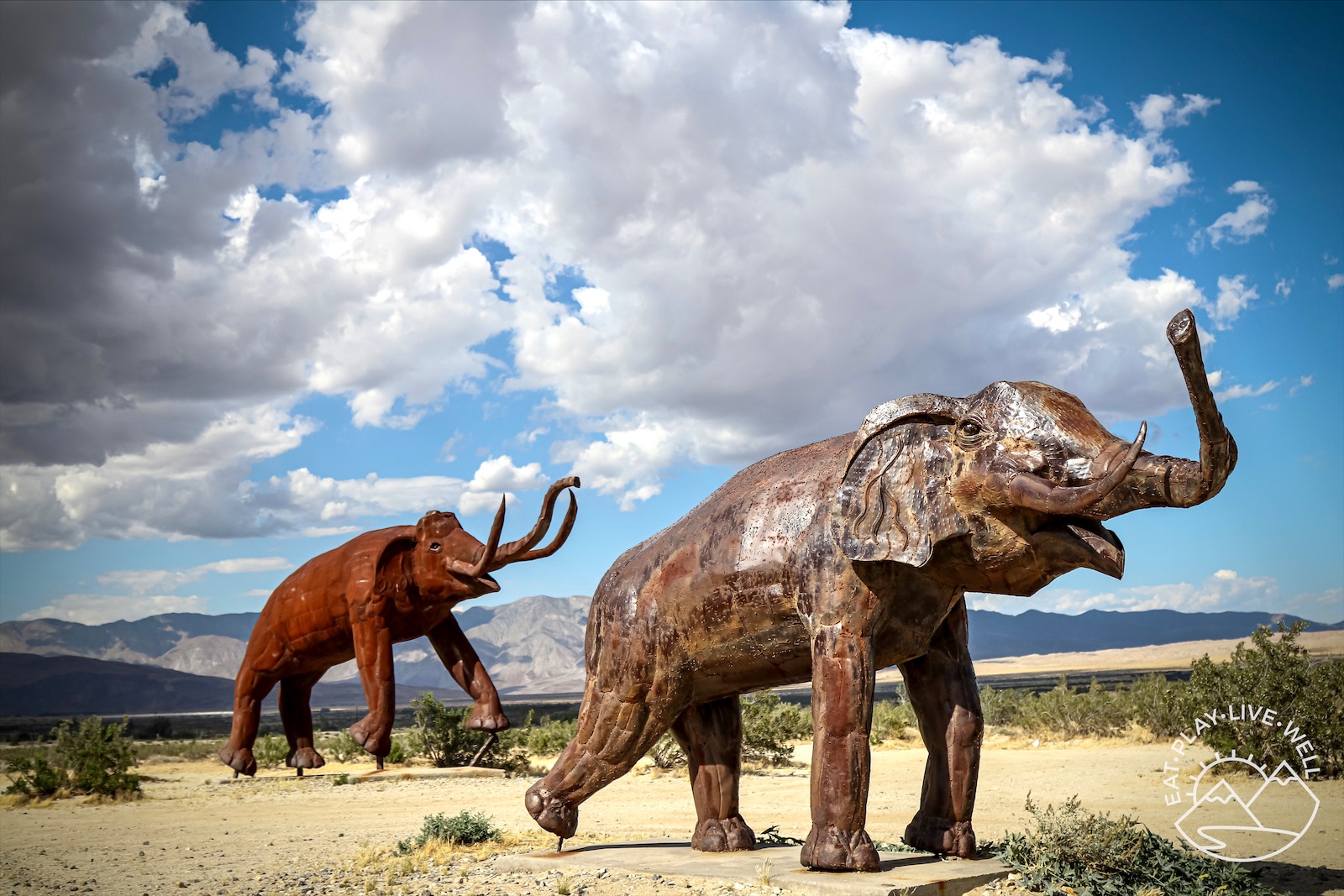
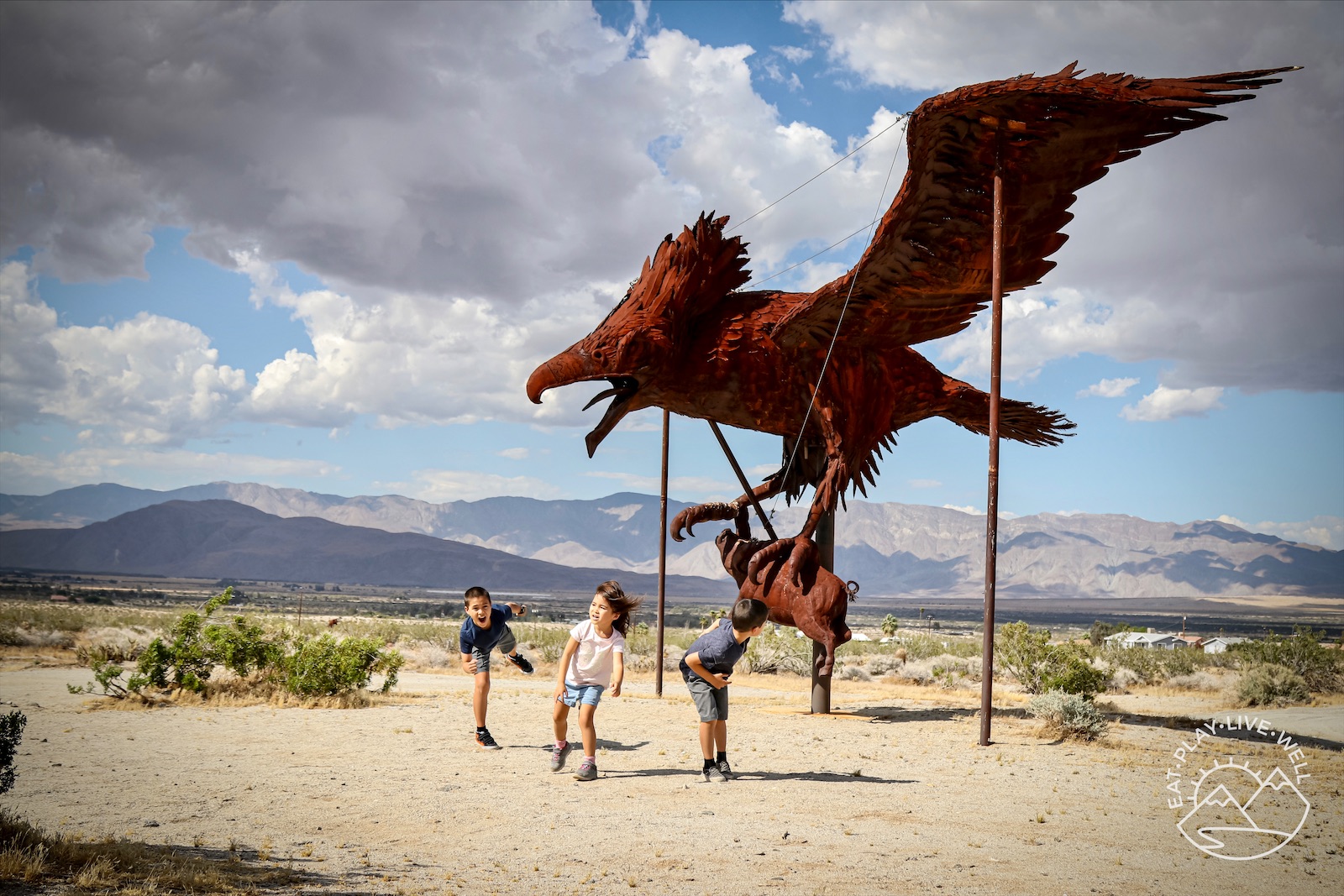
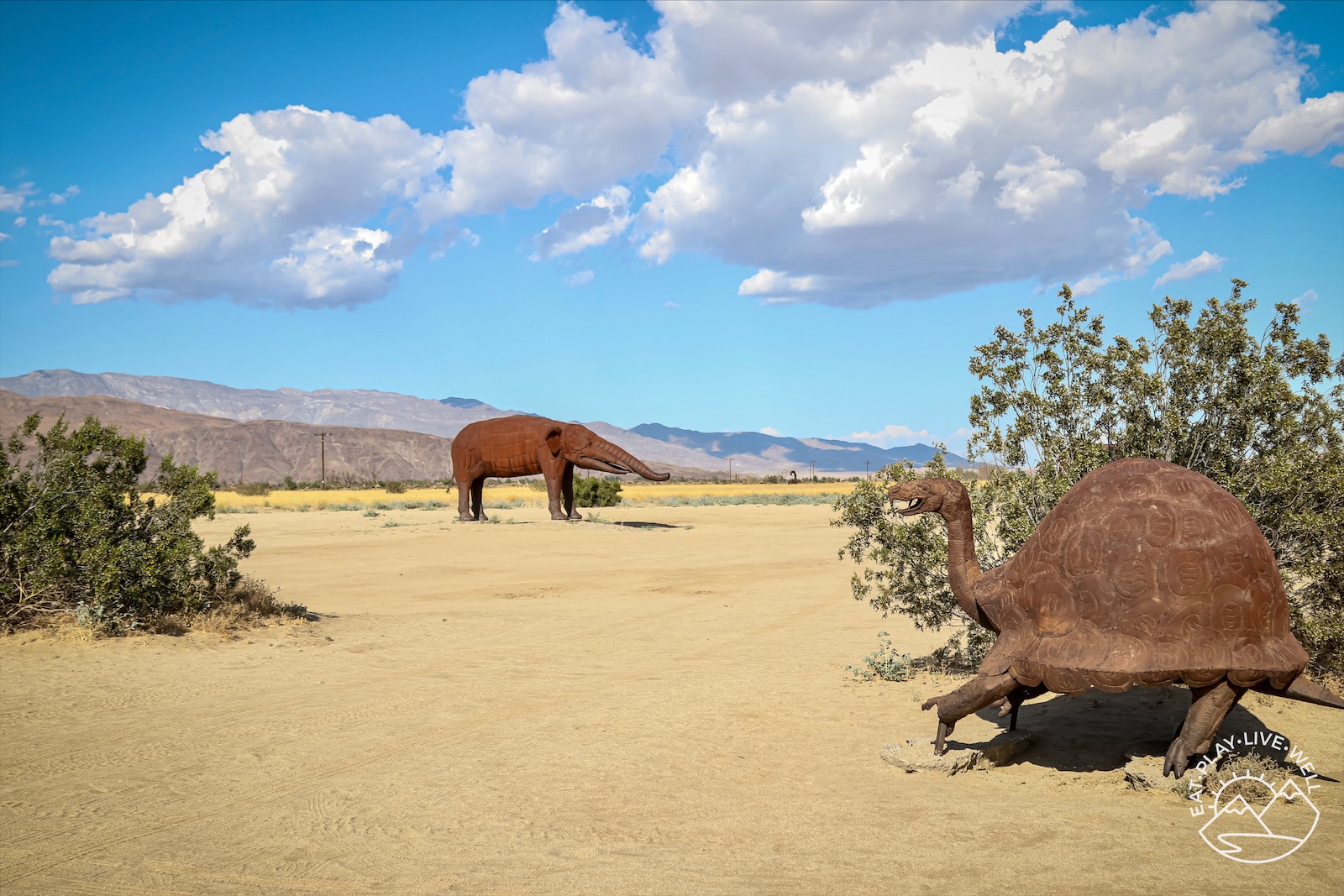
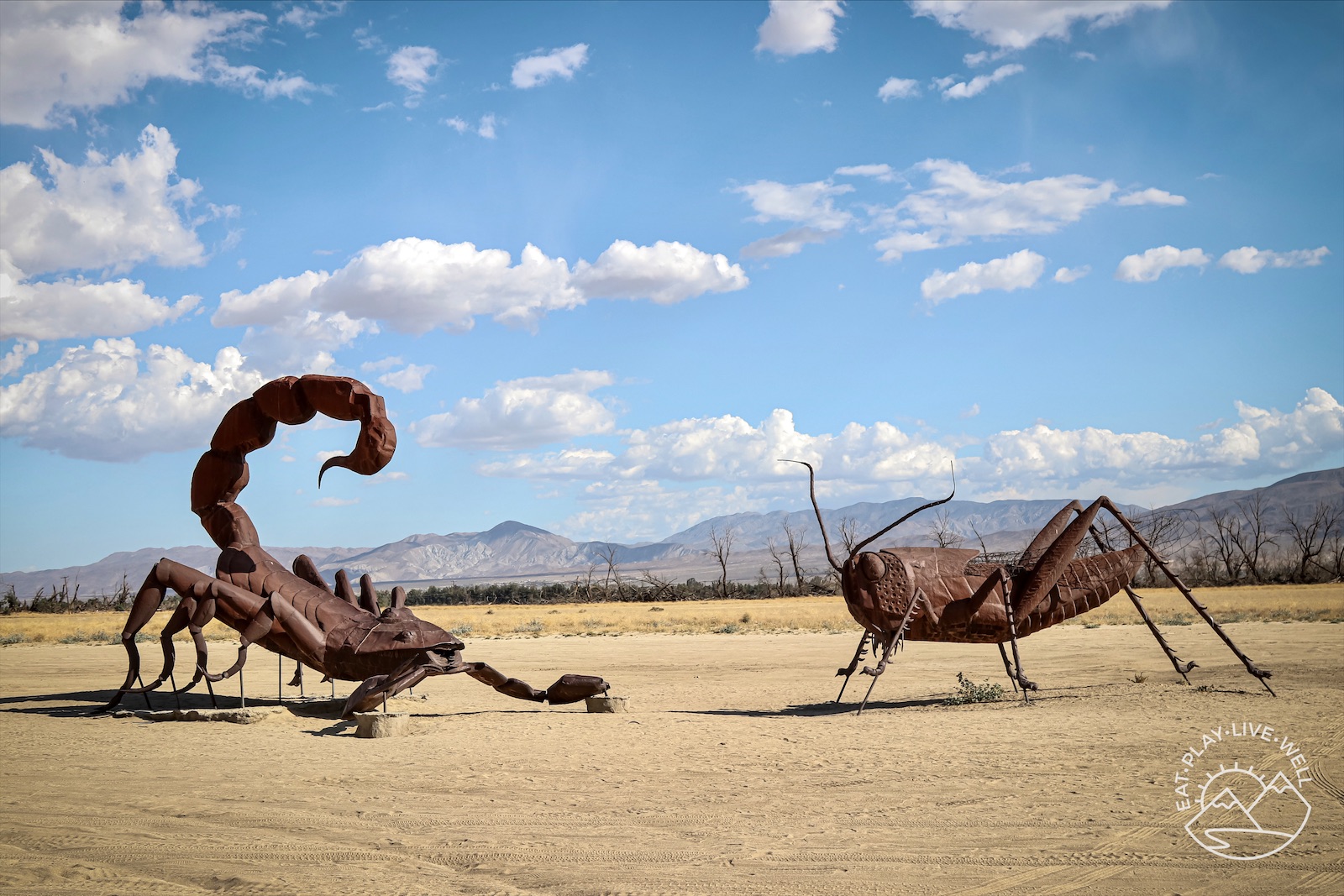
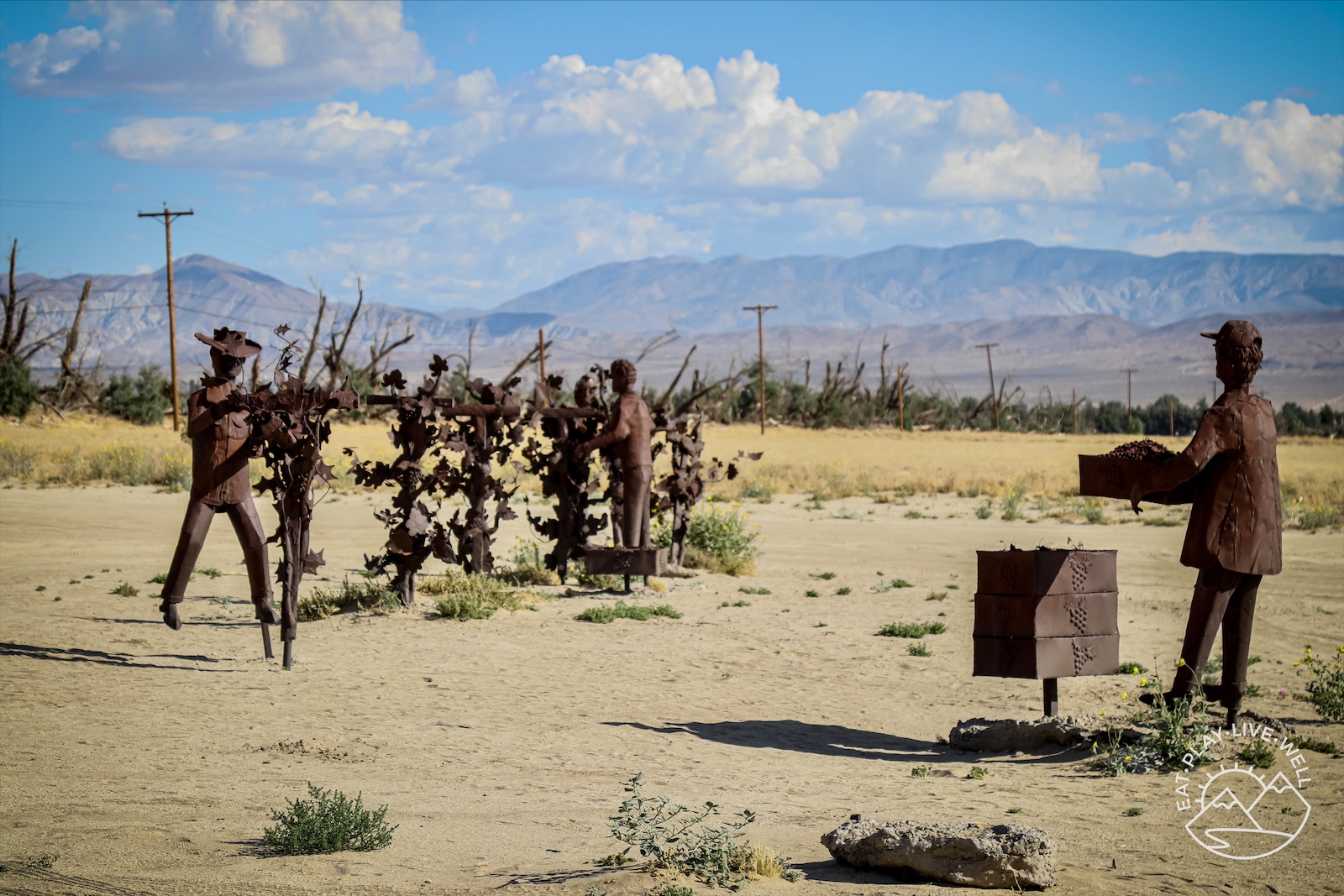
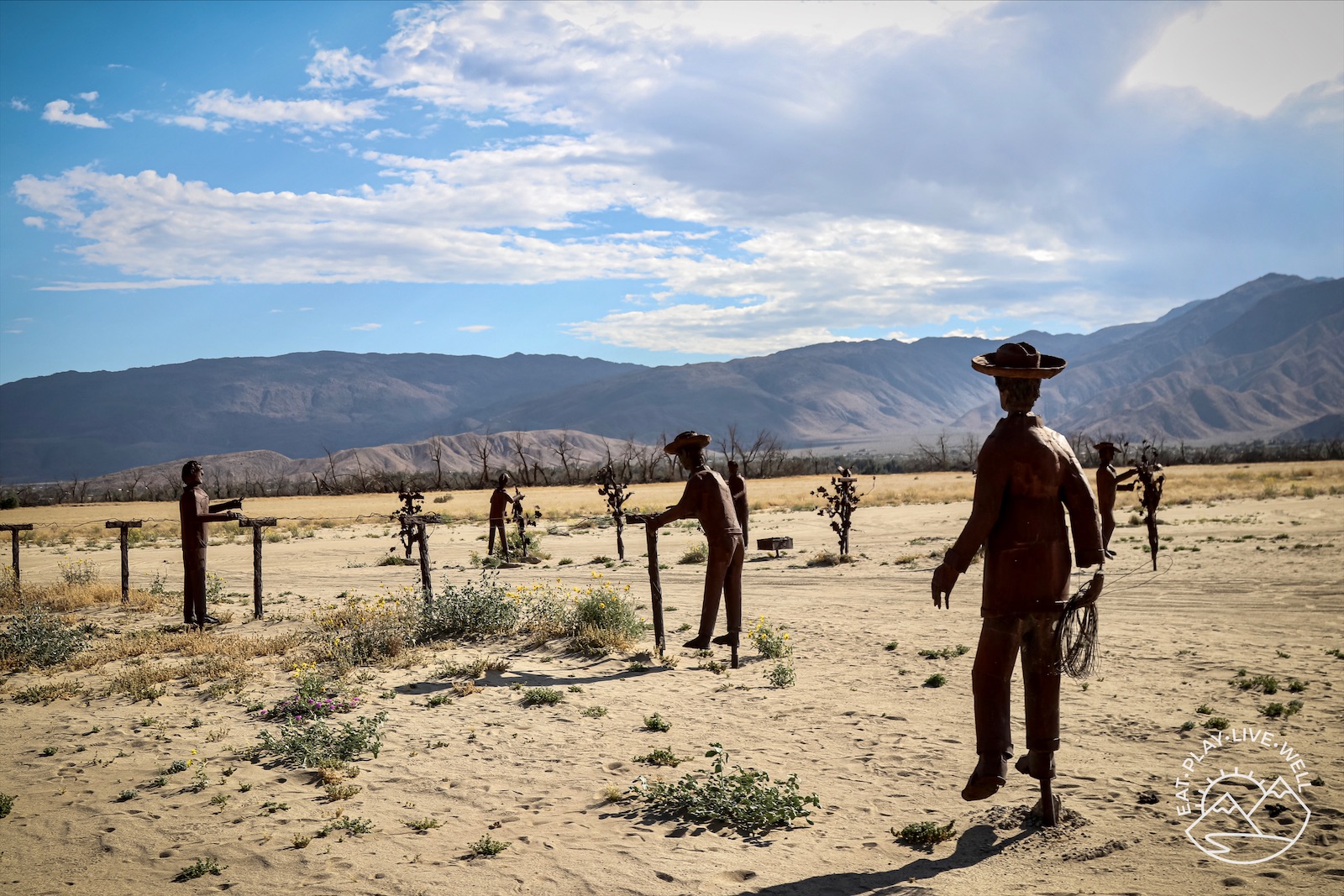
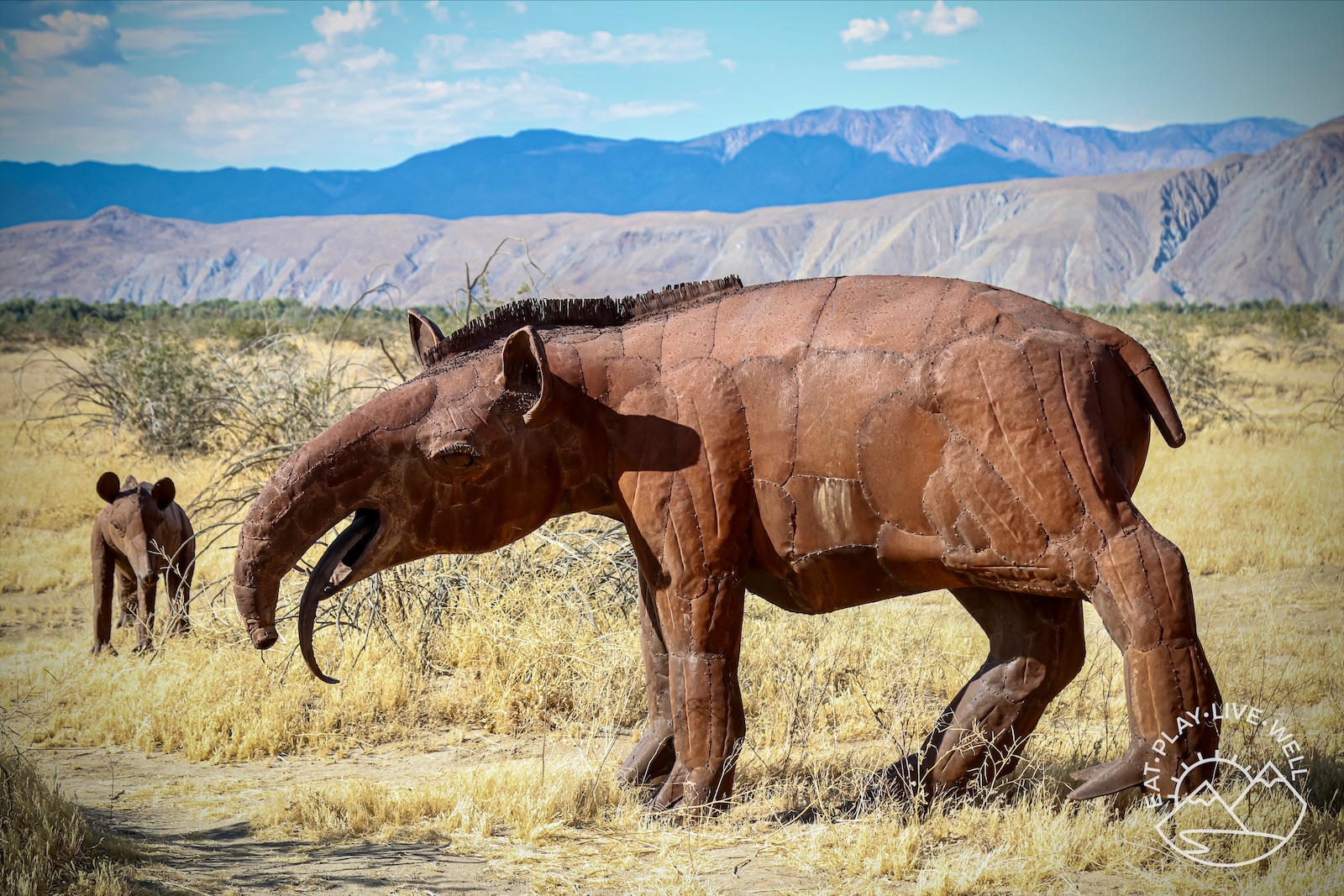
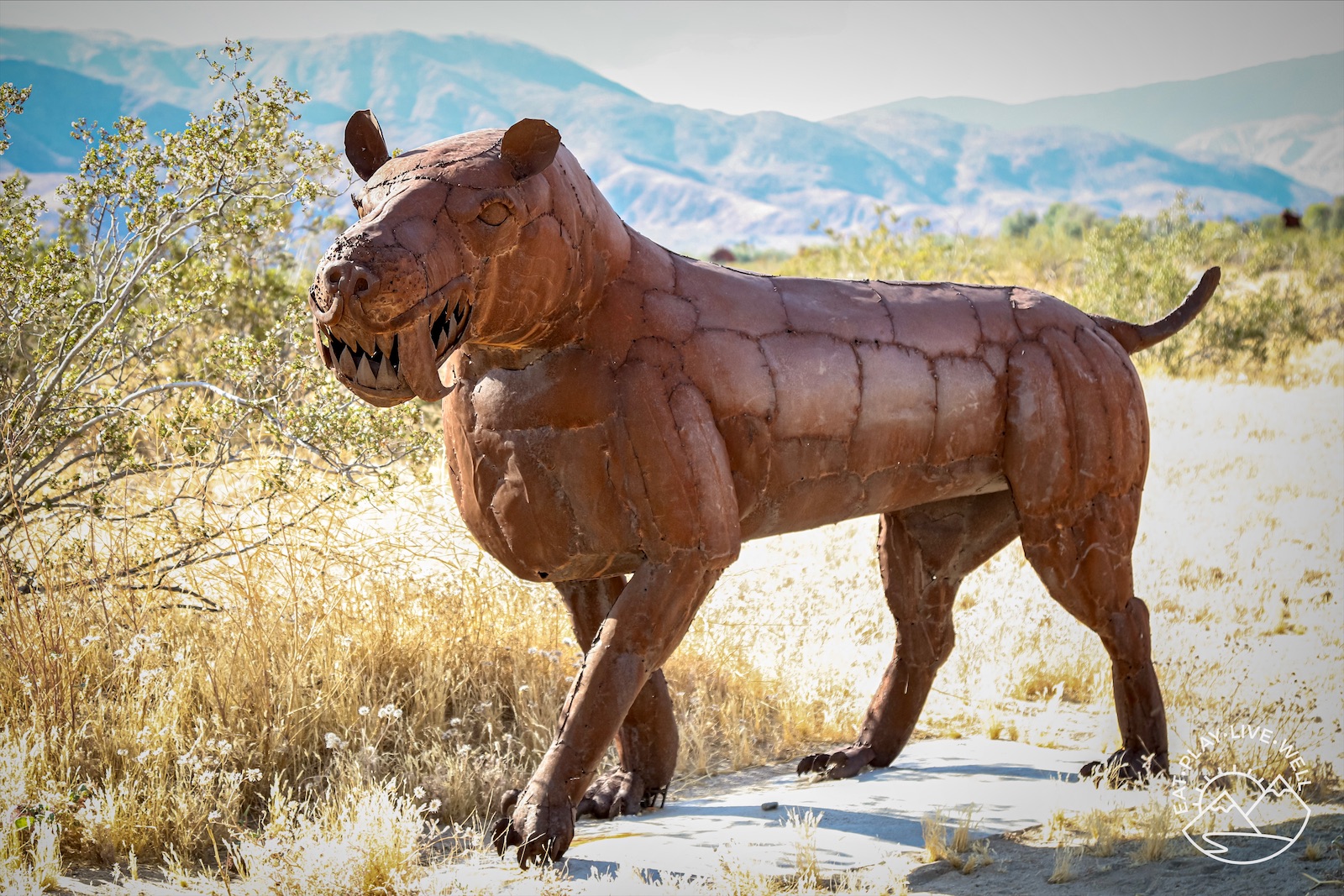
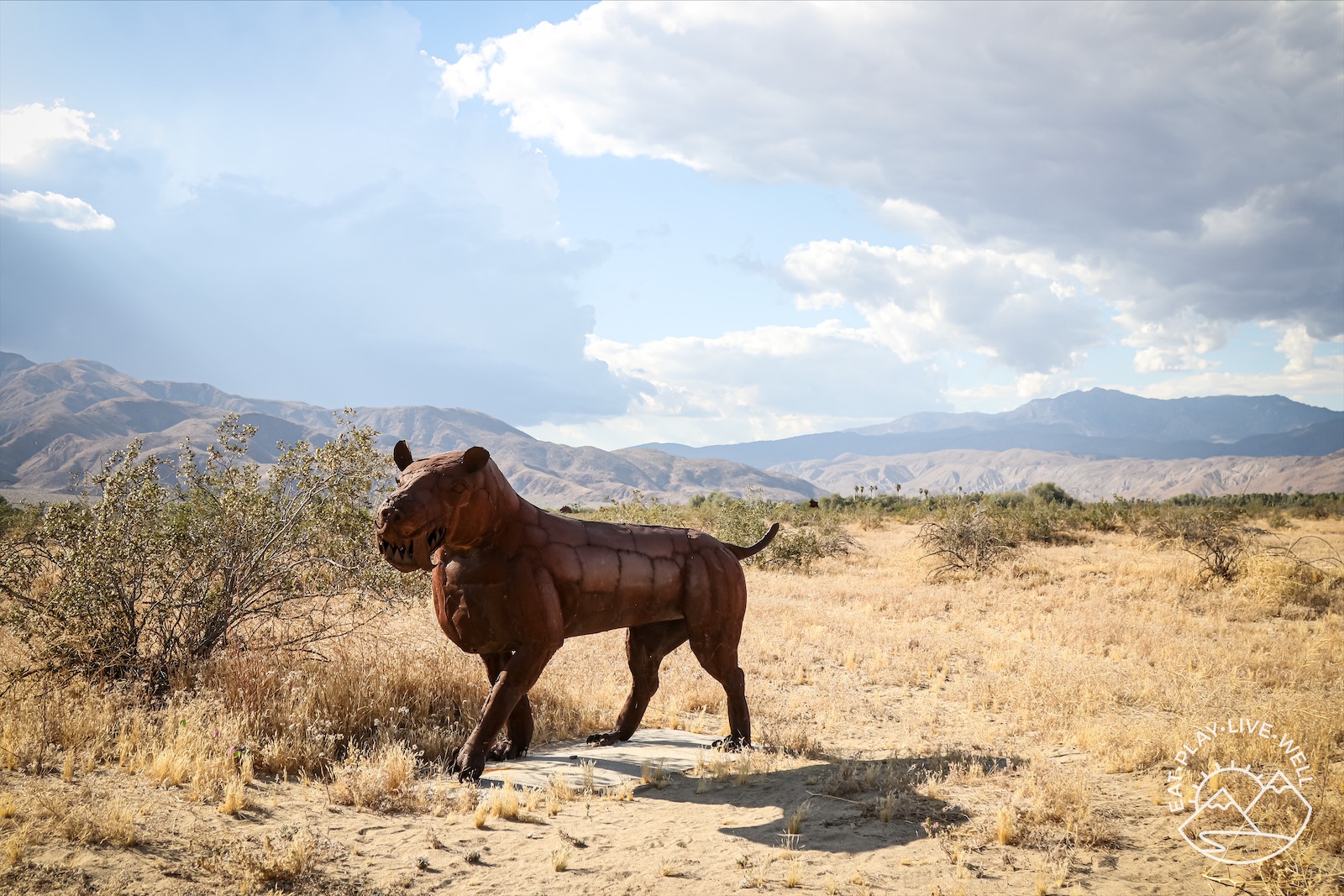
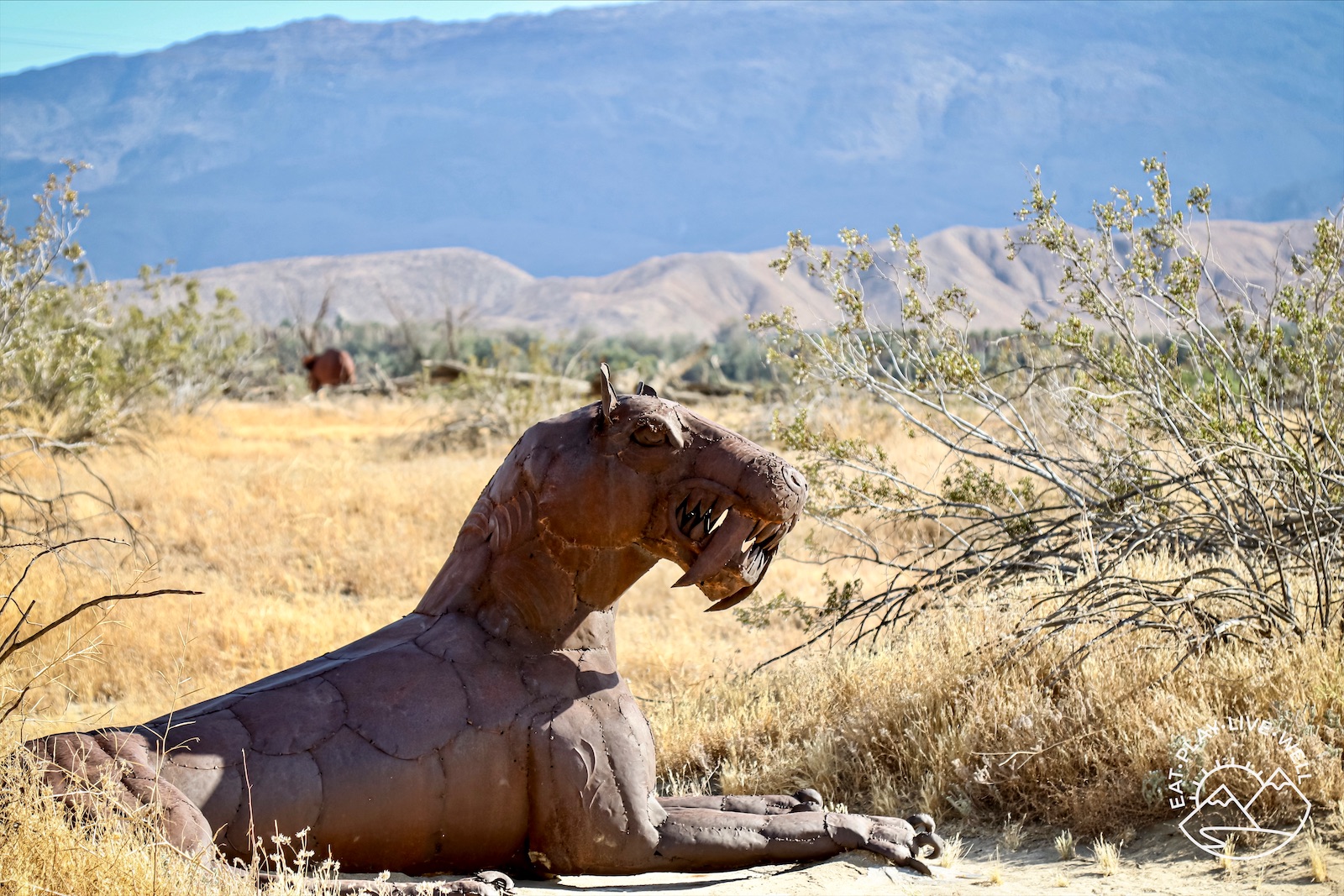
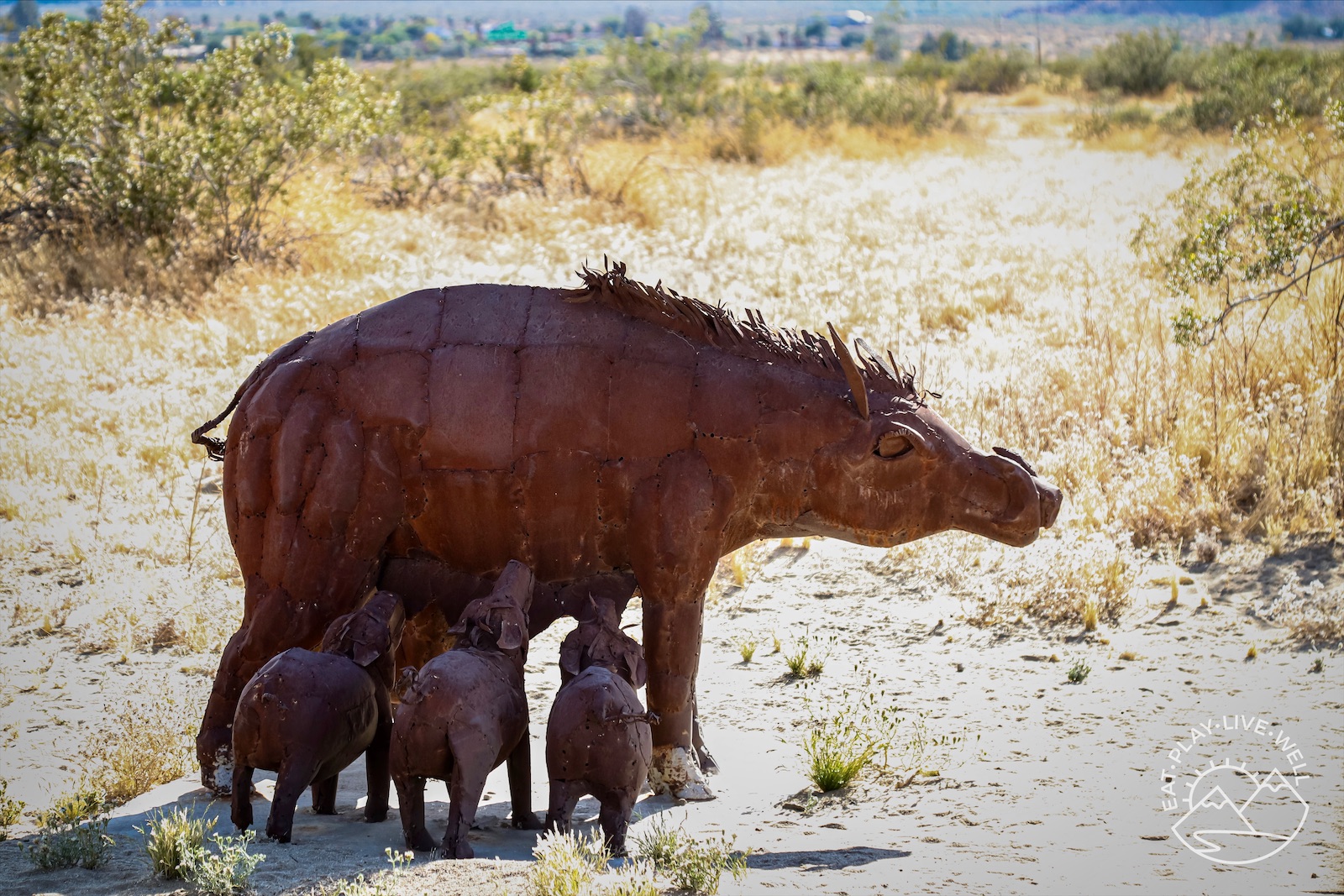
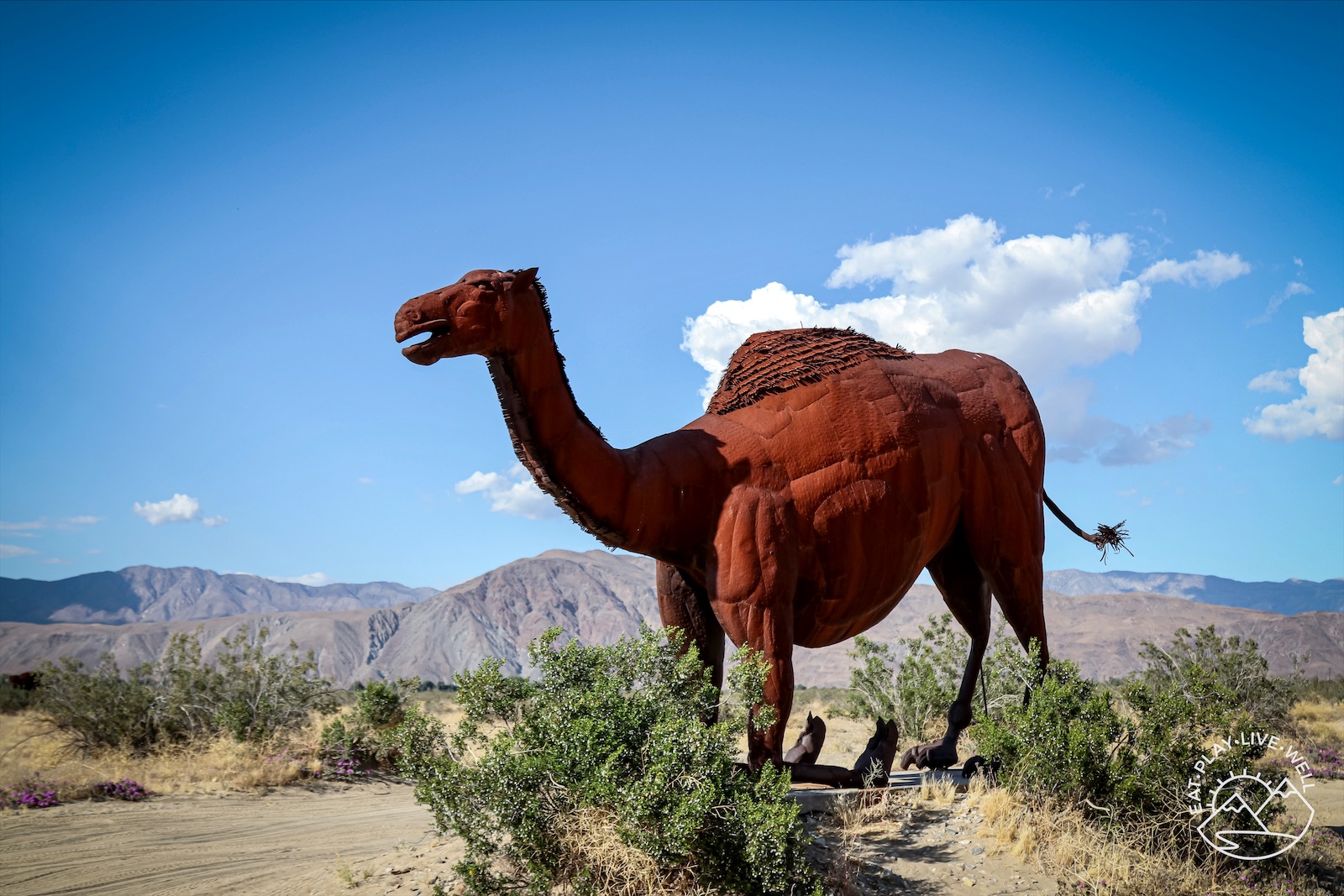
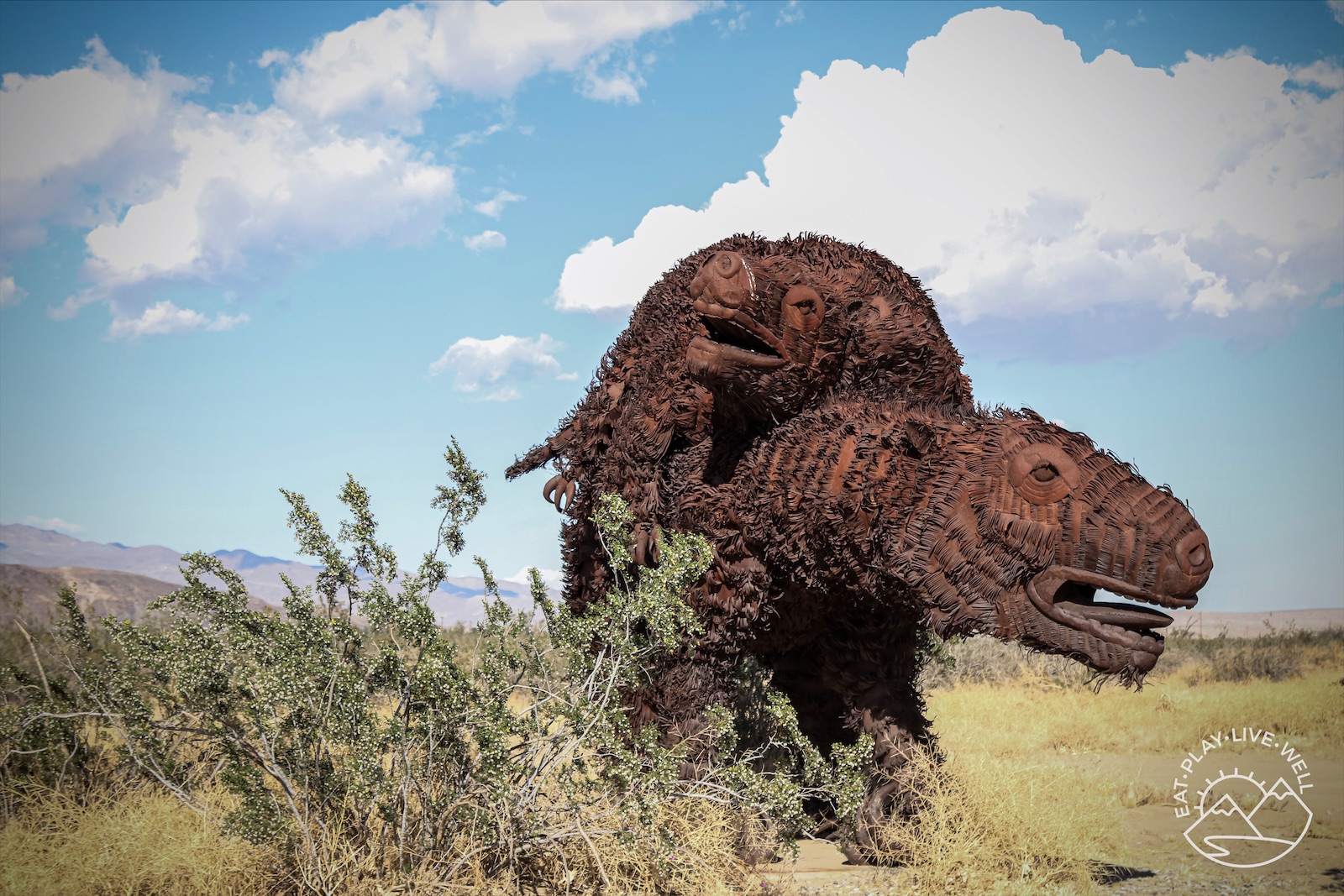
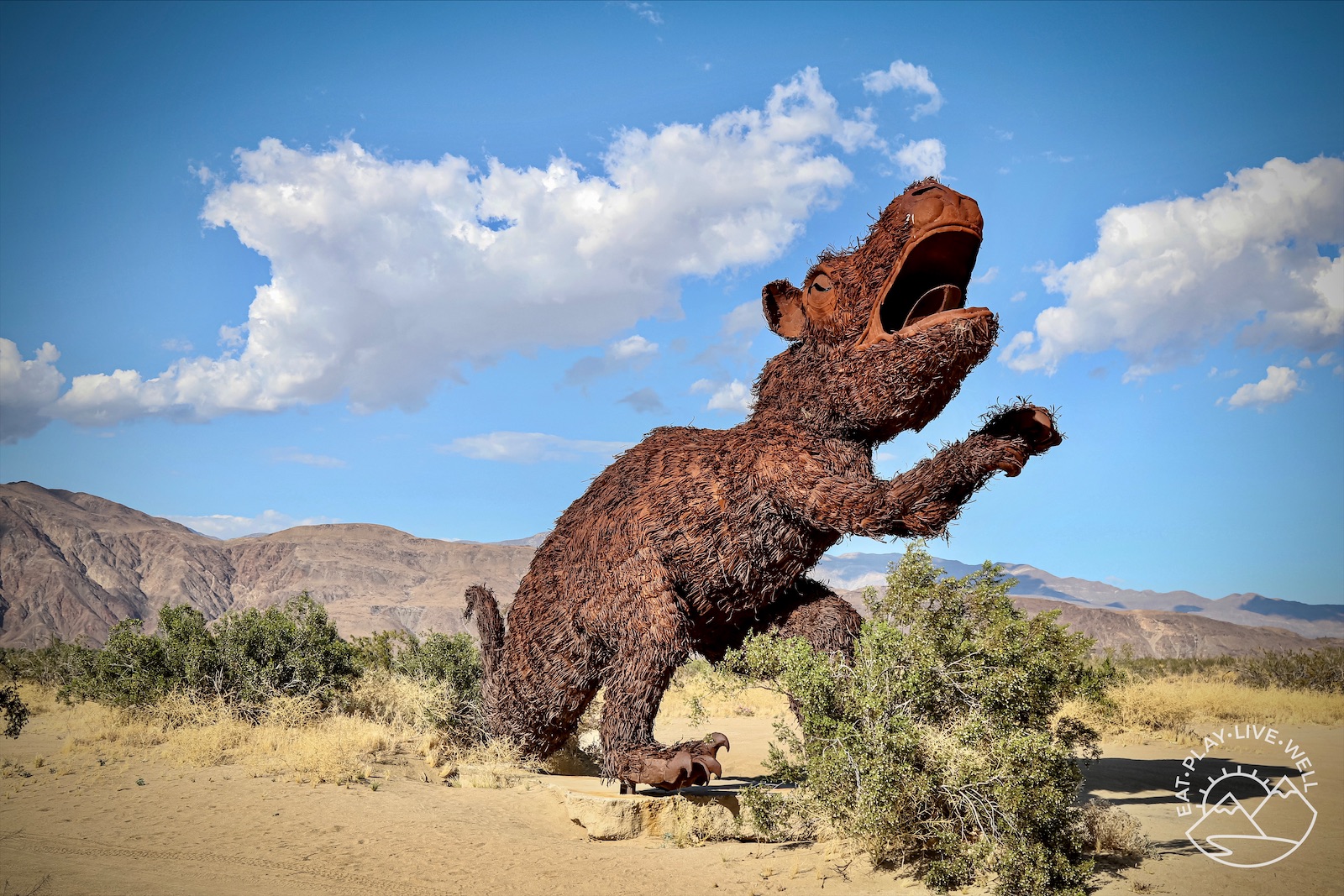
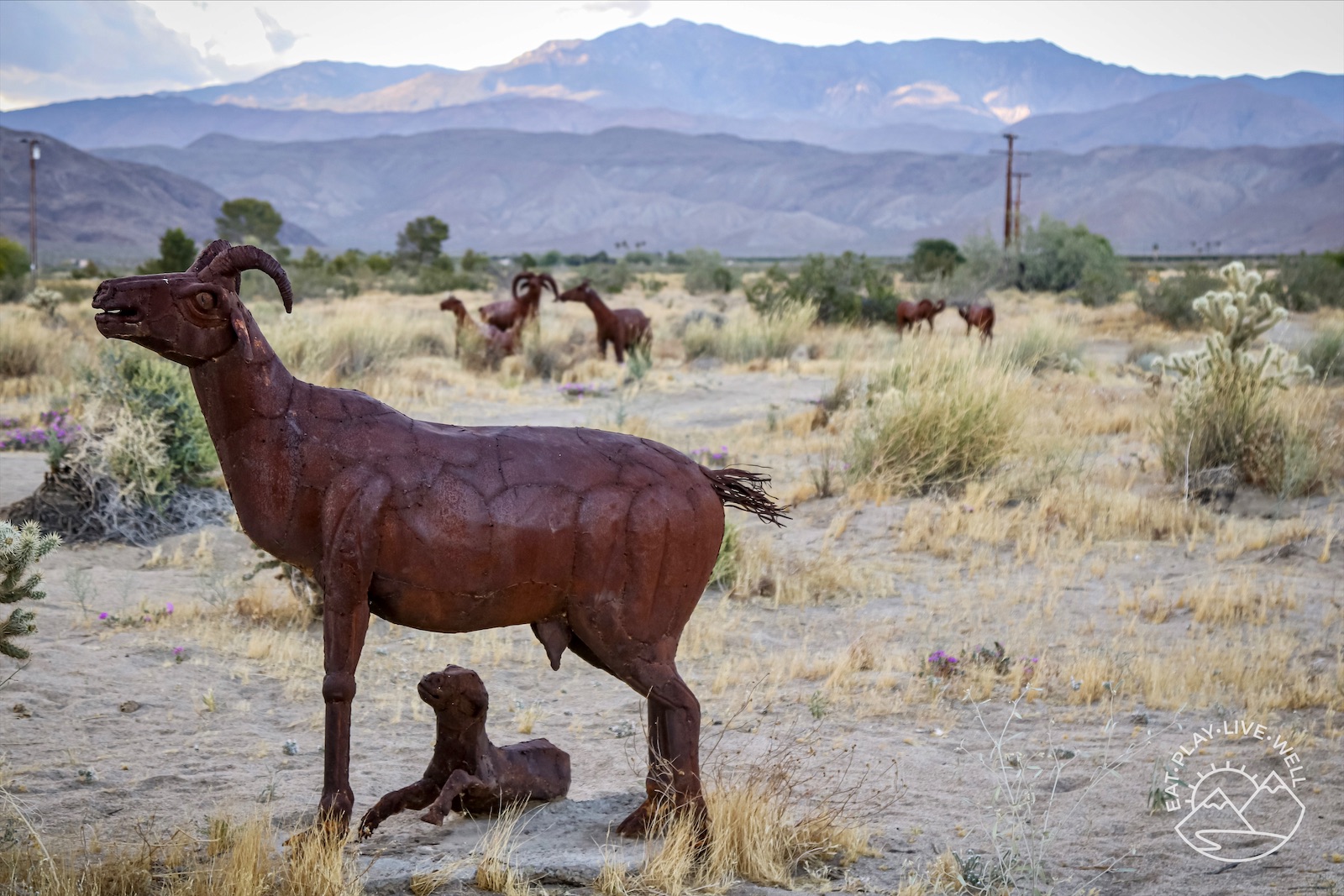
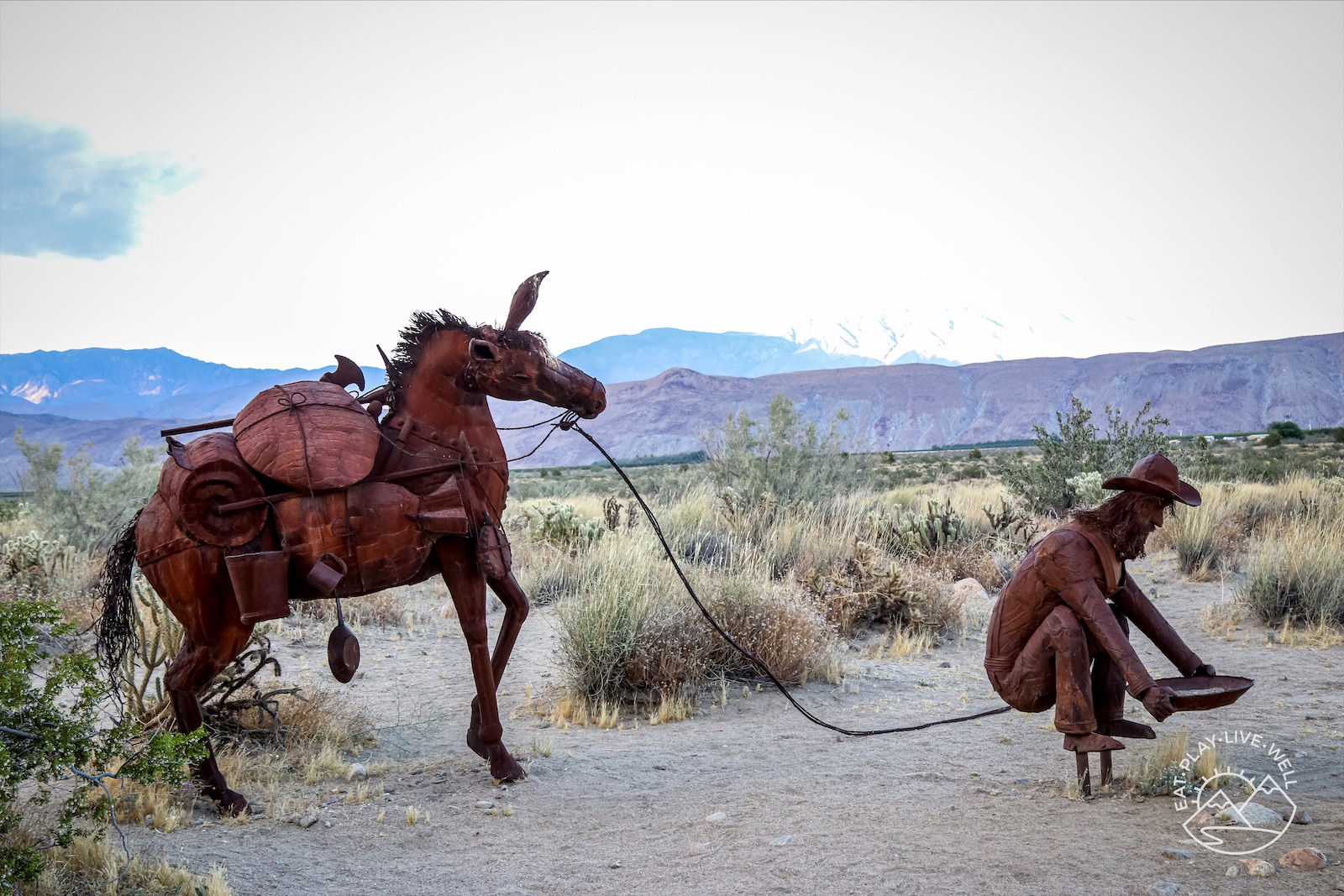
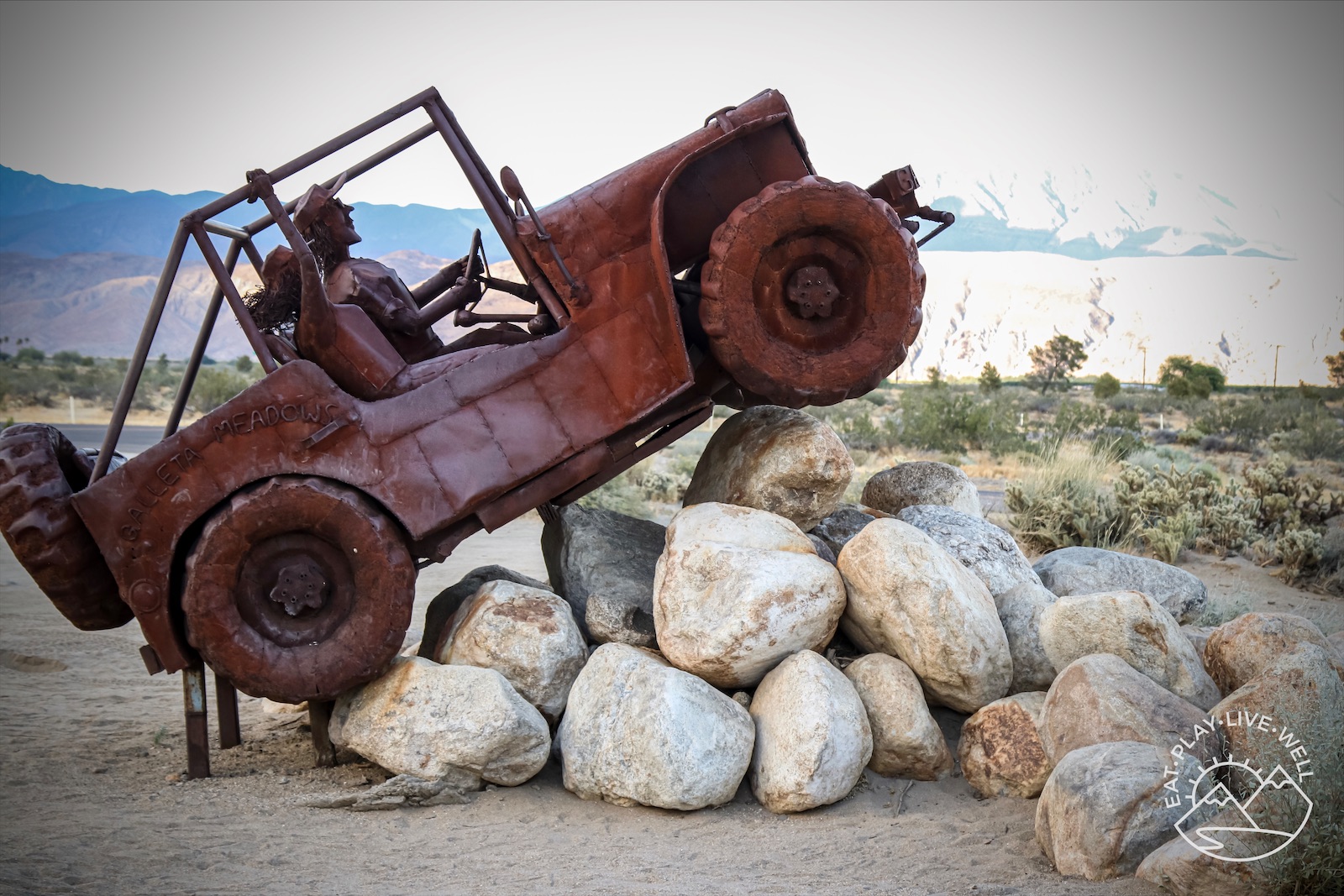
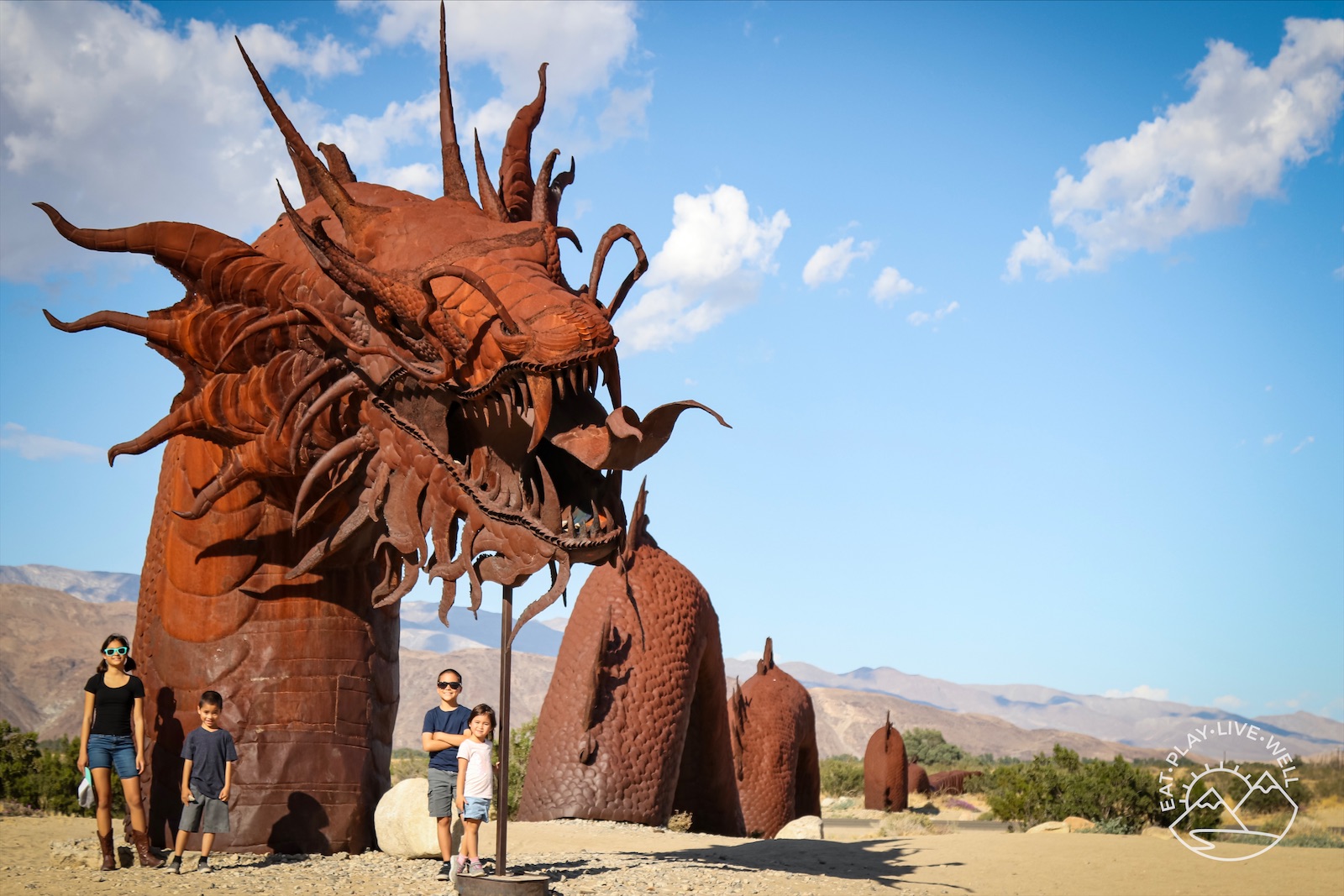
Created by artist Ricardo Breceda, these metal sculptures can be found at the Anza-Borrego Desert State Park in California, about 100 miles east-northeast of San Diego. ***
*** NOTE: this visit occurred before the COVID-19 quarantine order. This state park is temporarly closed.
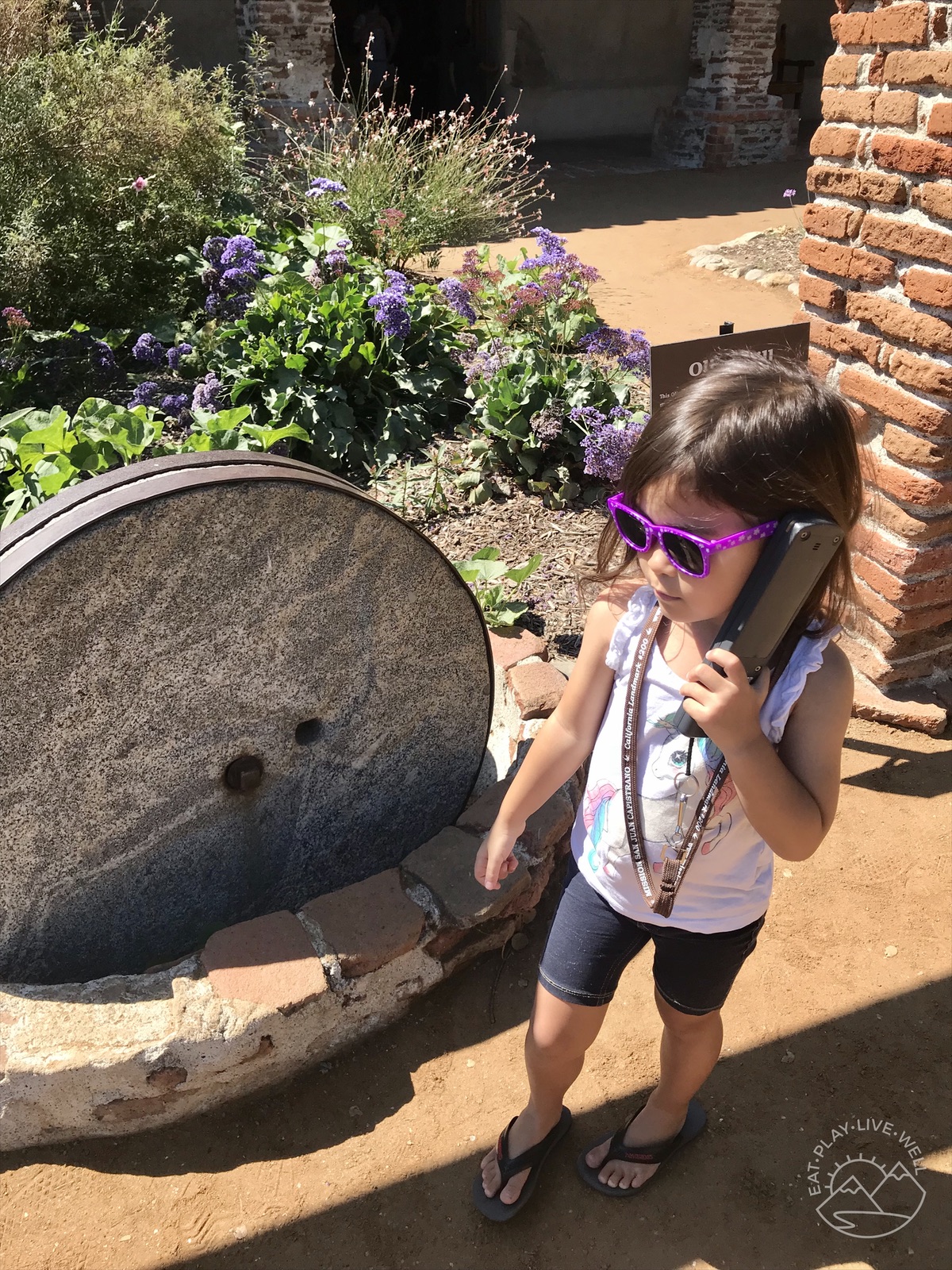
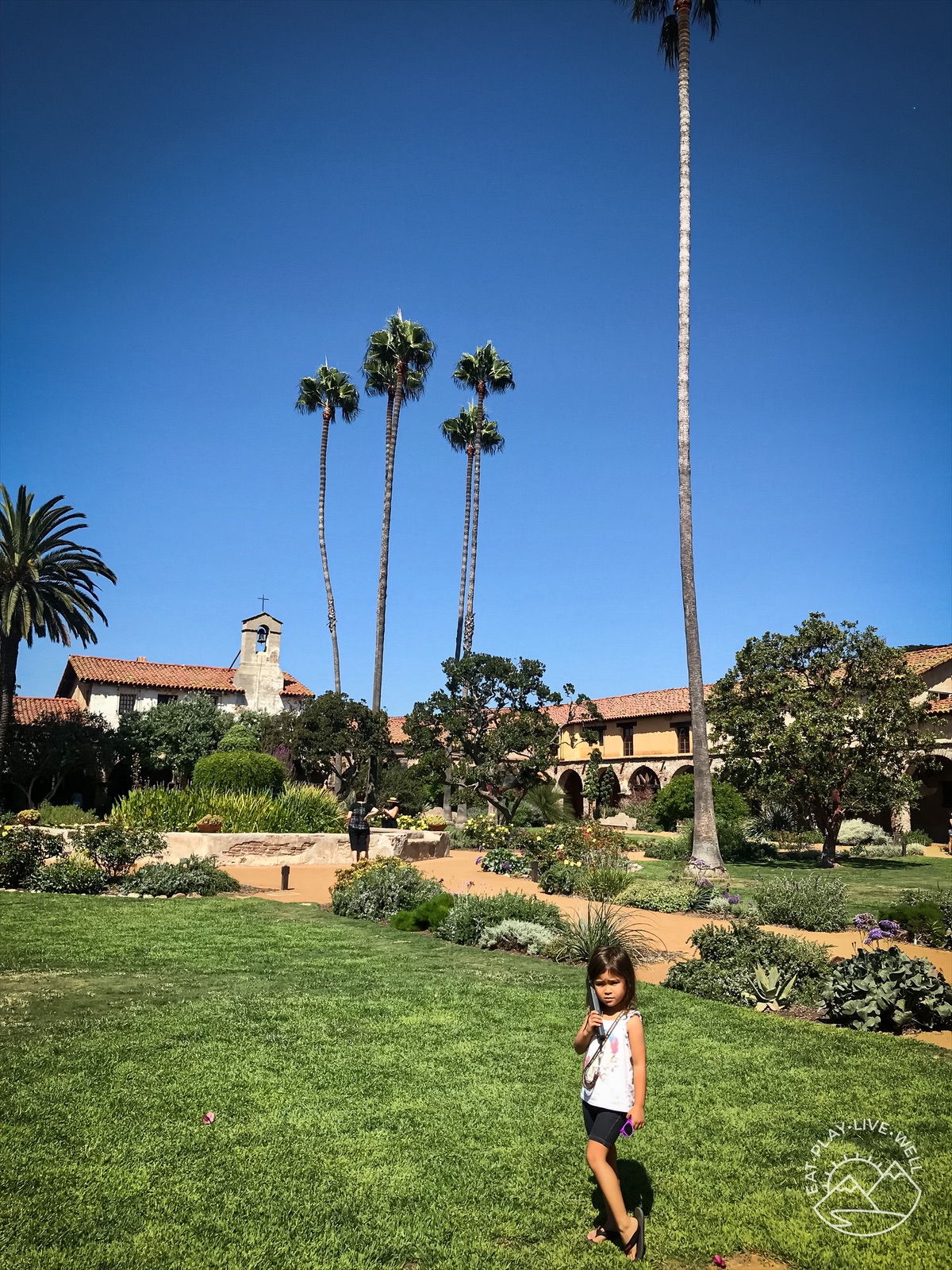
Mission San Juan Capistrano is a historic landmark and museum and is the birthplace of Orange County. Named the “Jewel of the Missions,” Mission San Juan Capistrano is located in the beautiful, historic downtown. You can spend a great deal of time there, walking through the enthralling courtyard, the carefully curated museum rooms, and the beautiful Serra Chapel, all while going through a free audio tour of the mission grounds. You can bring a sack lunch and eat at their picnic area by their thriving garden. After your tour, you can walk through the downtown area to see other cultural landmarks, locally-owned shops and restaurants, and the Pacific Ocean, which is only about 3 miles away. We’ve driven through San Juan Capistrano many times before, and each time, I’ve always been so enamored with the town. It’s got this quaint, charming feel about it. Definitely put this beach town and mission on your travel list.
Beautiful quadrangle area
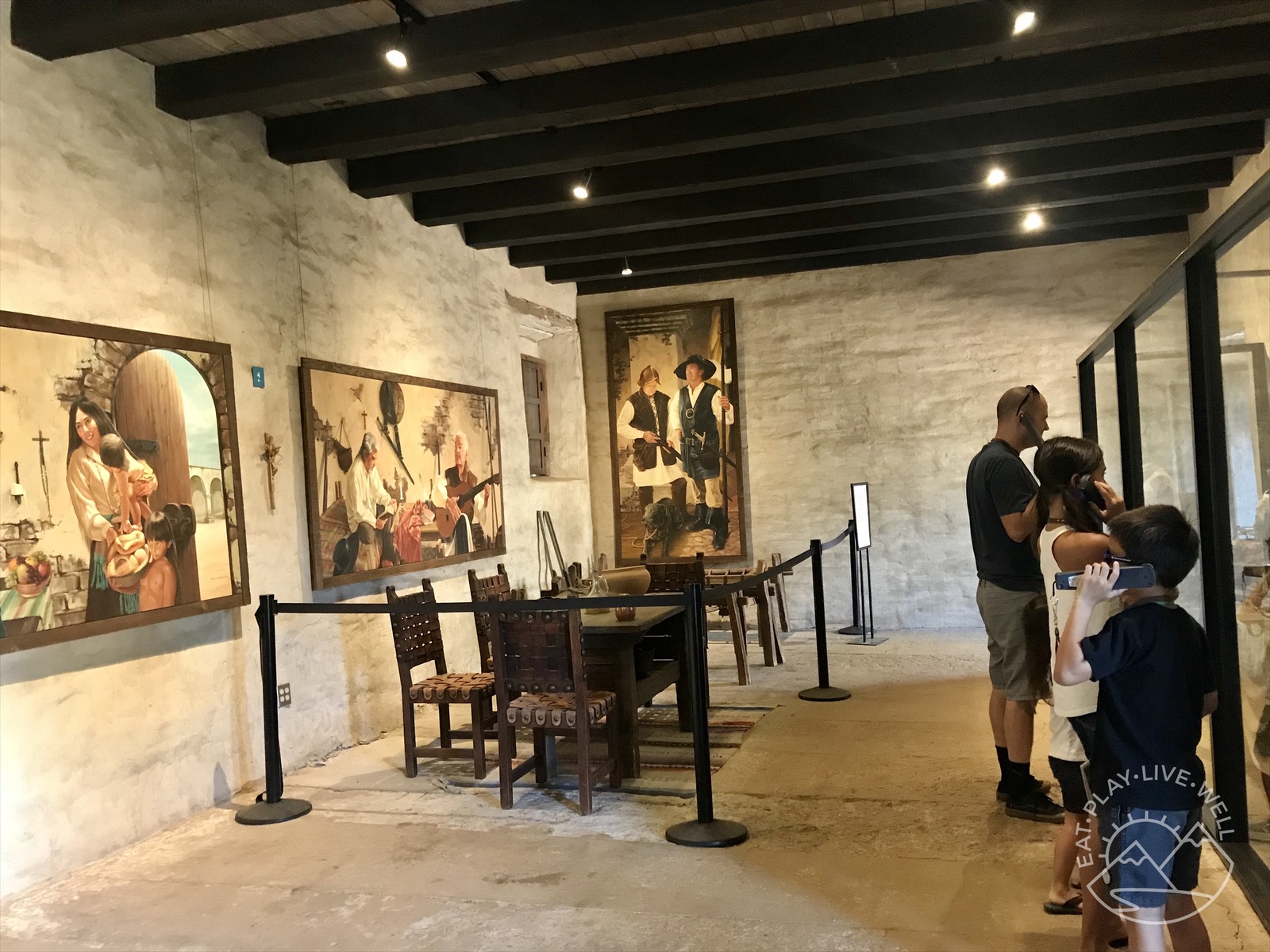
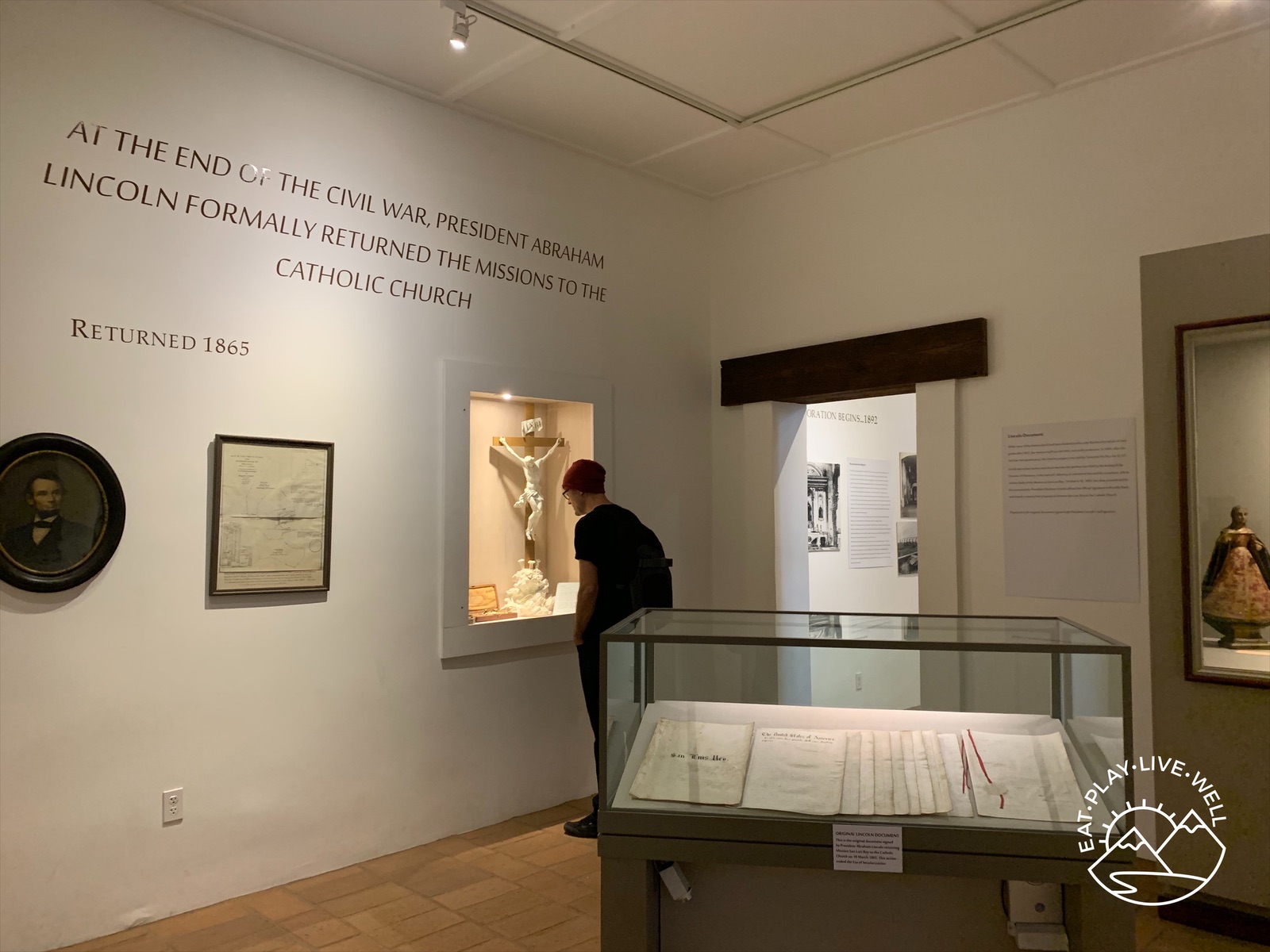
One of the museum rooms
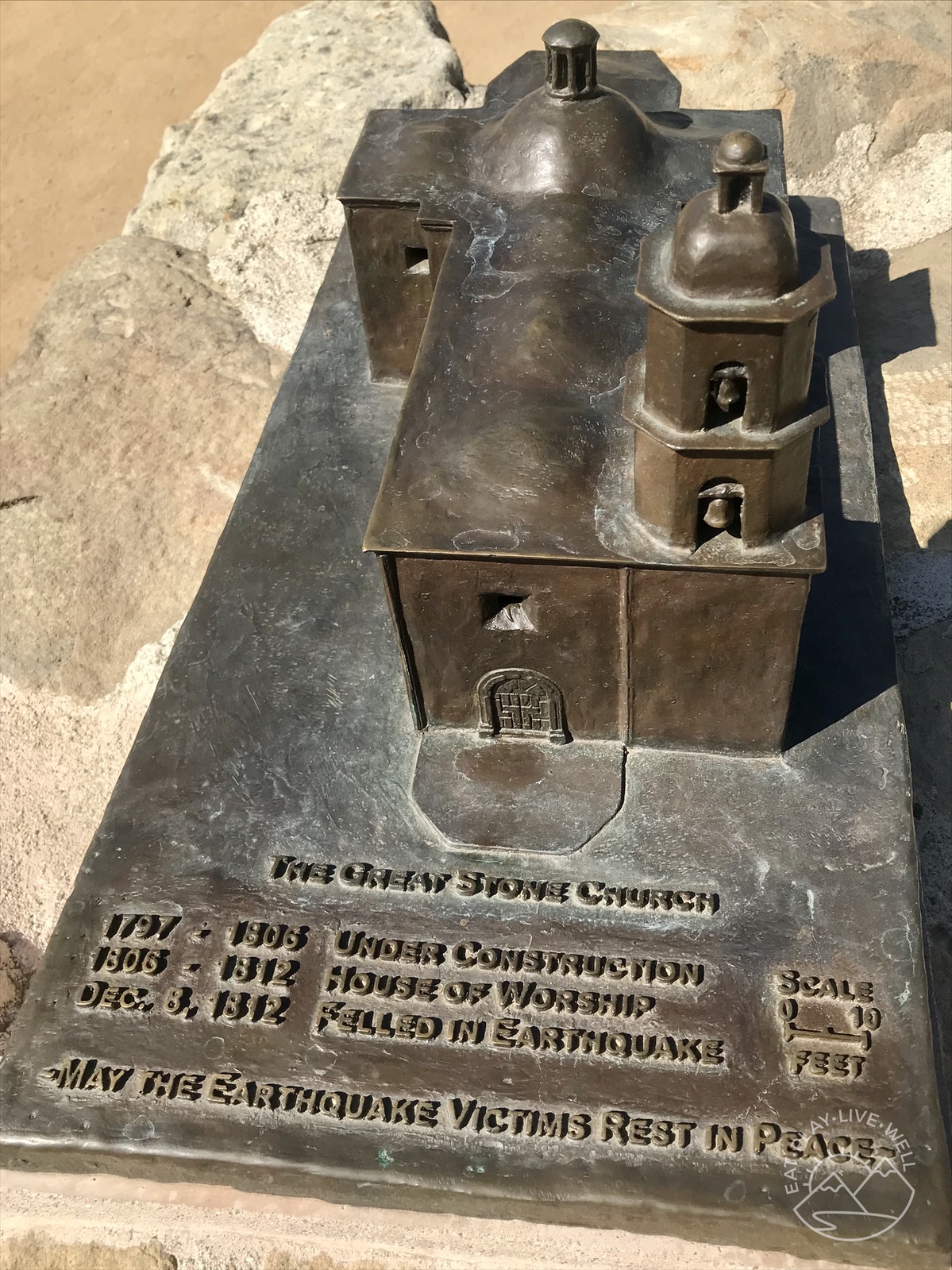
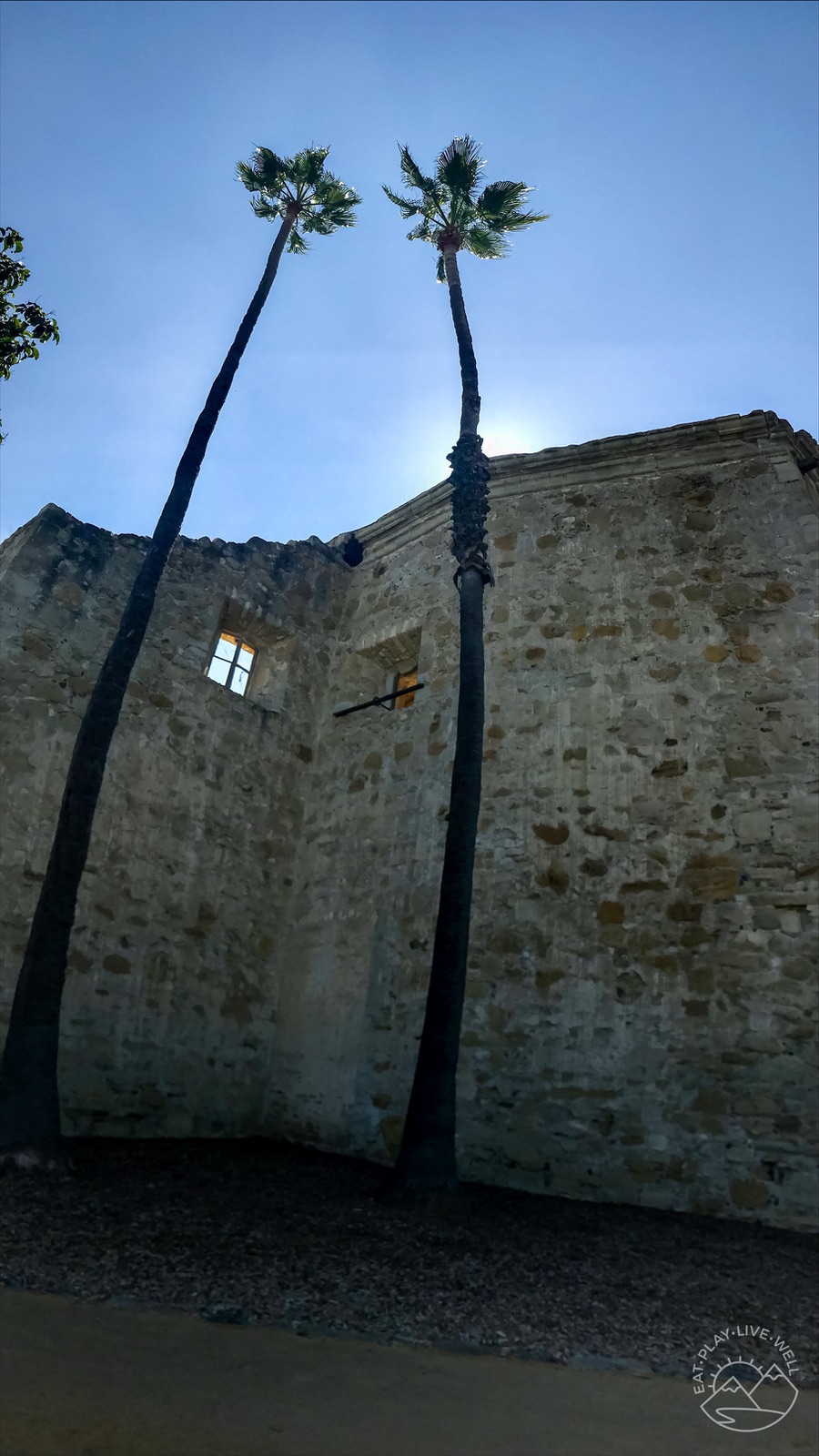
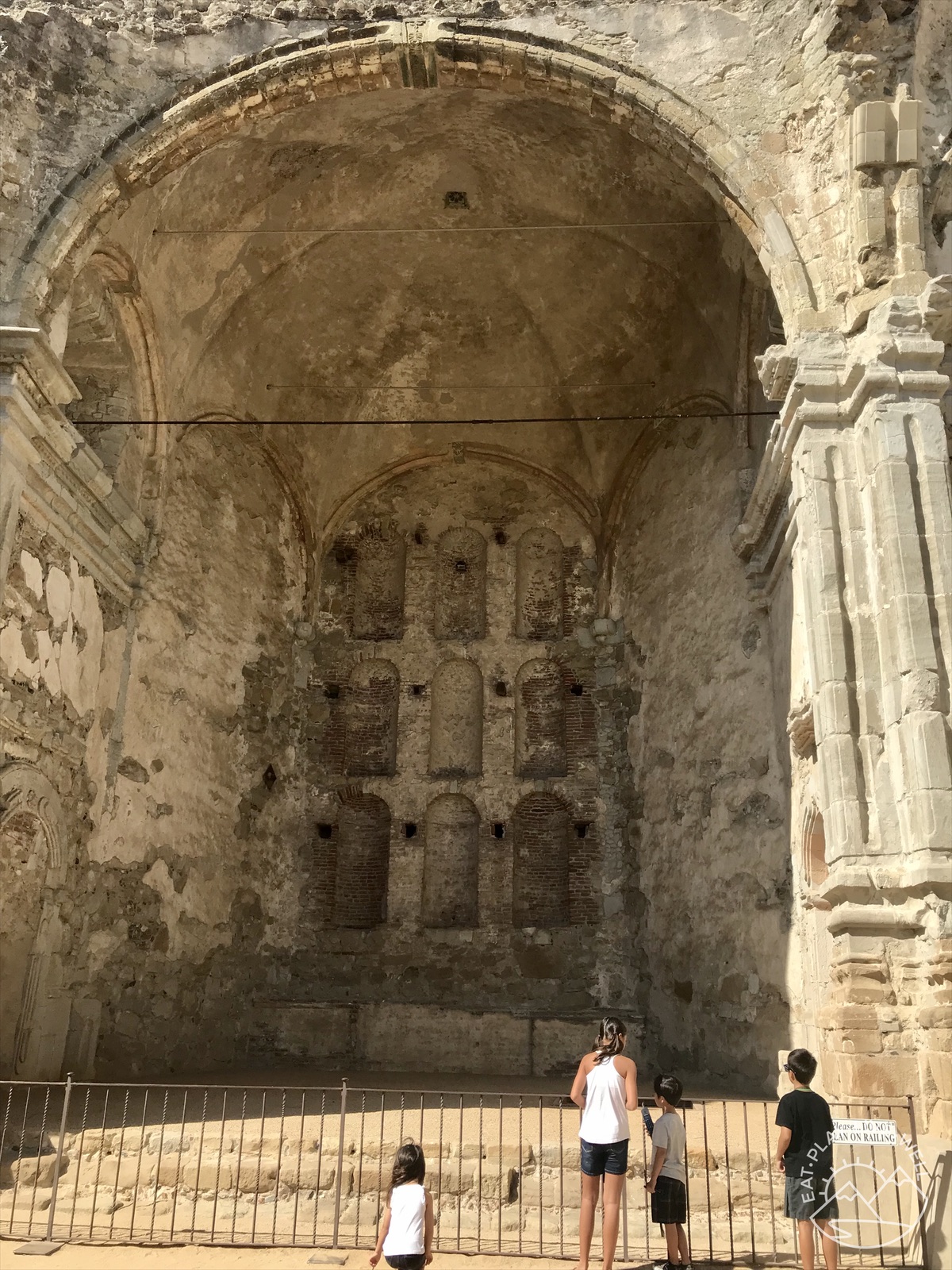
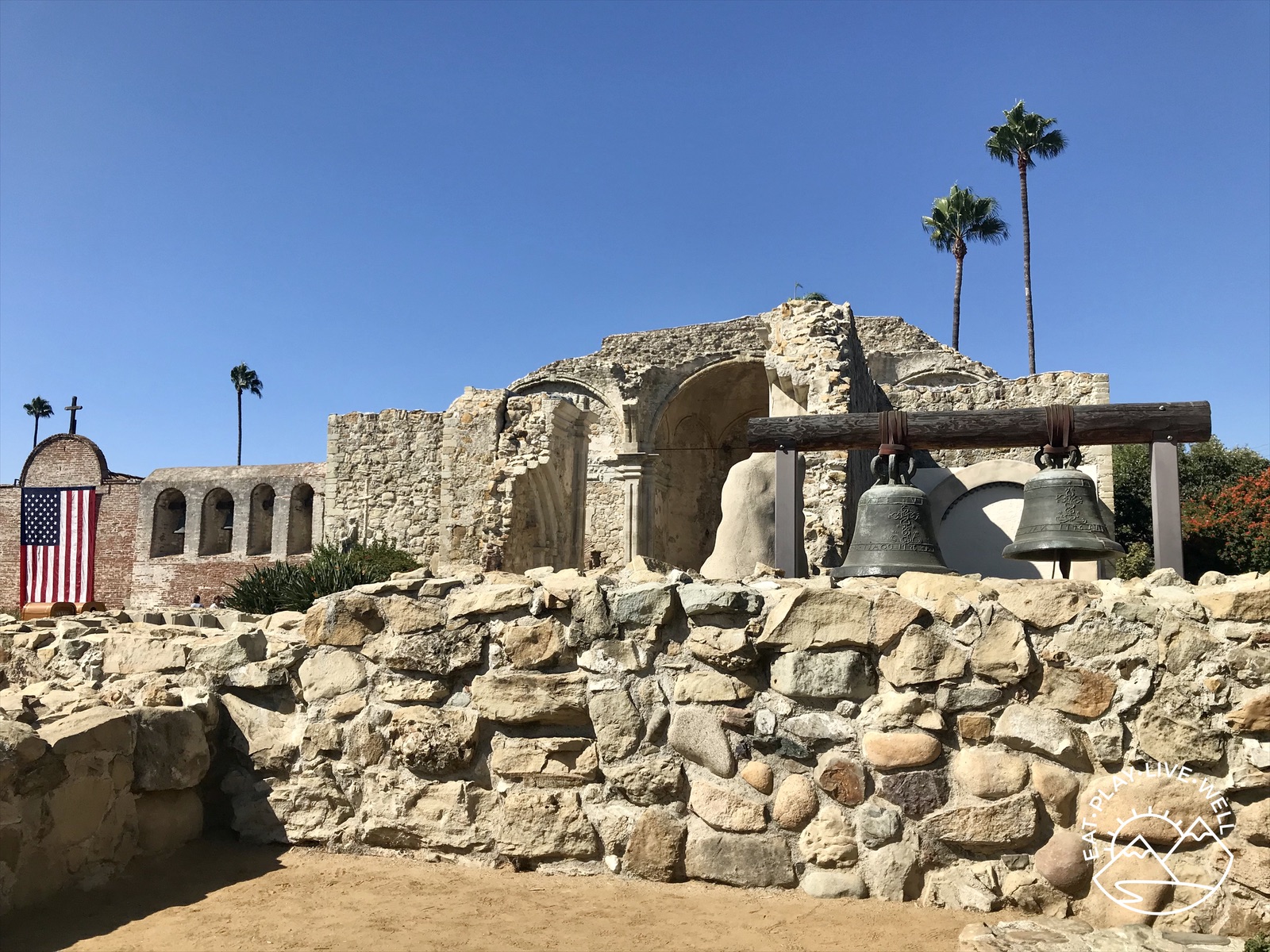
Ruins of the Great Stone Church that was destroyed by the great earthquake of 1812.
Original bell tower display
Sacred Garden
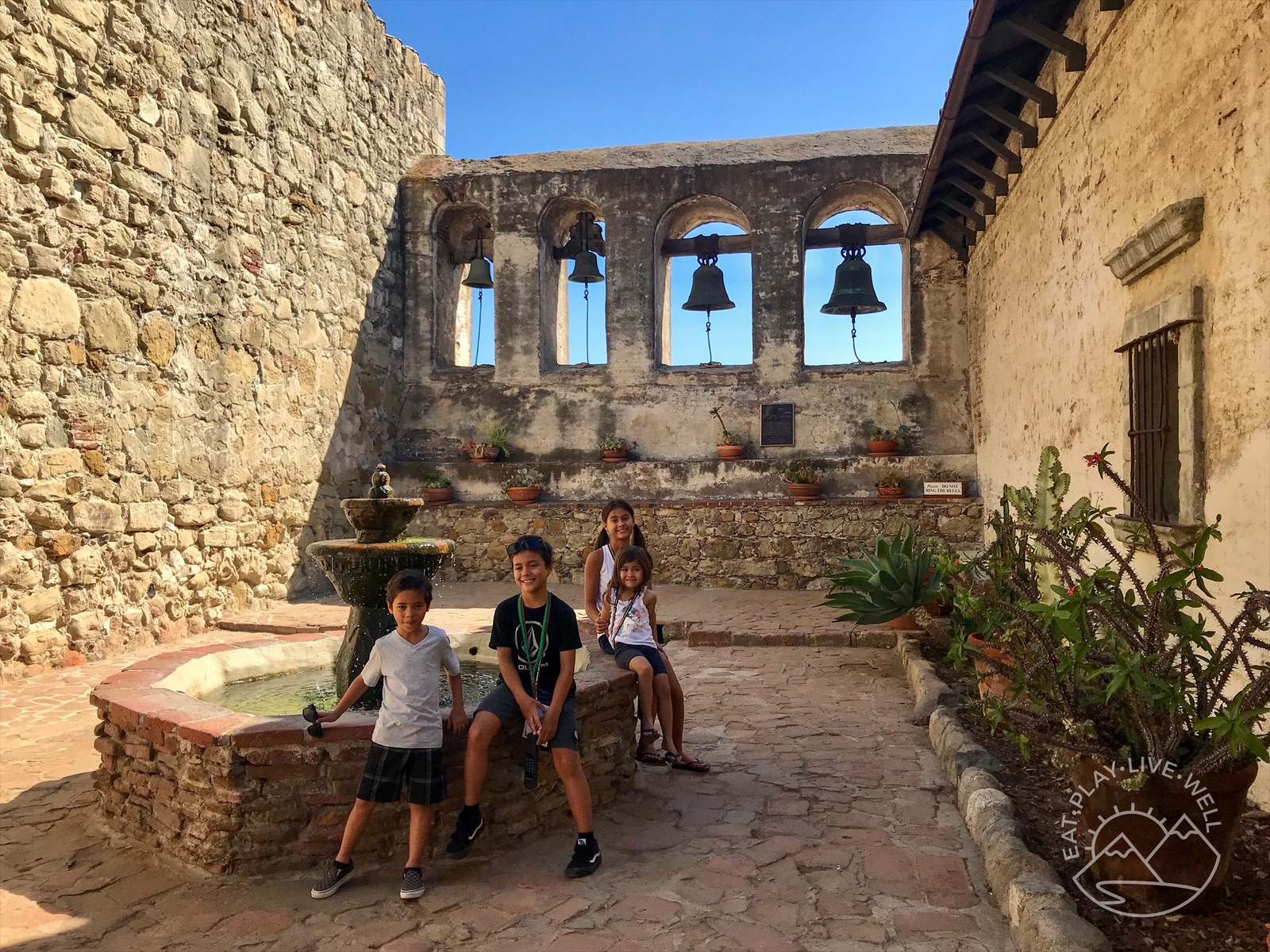
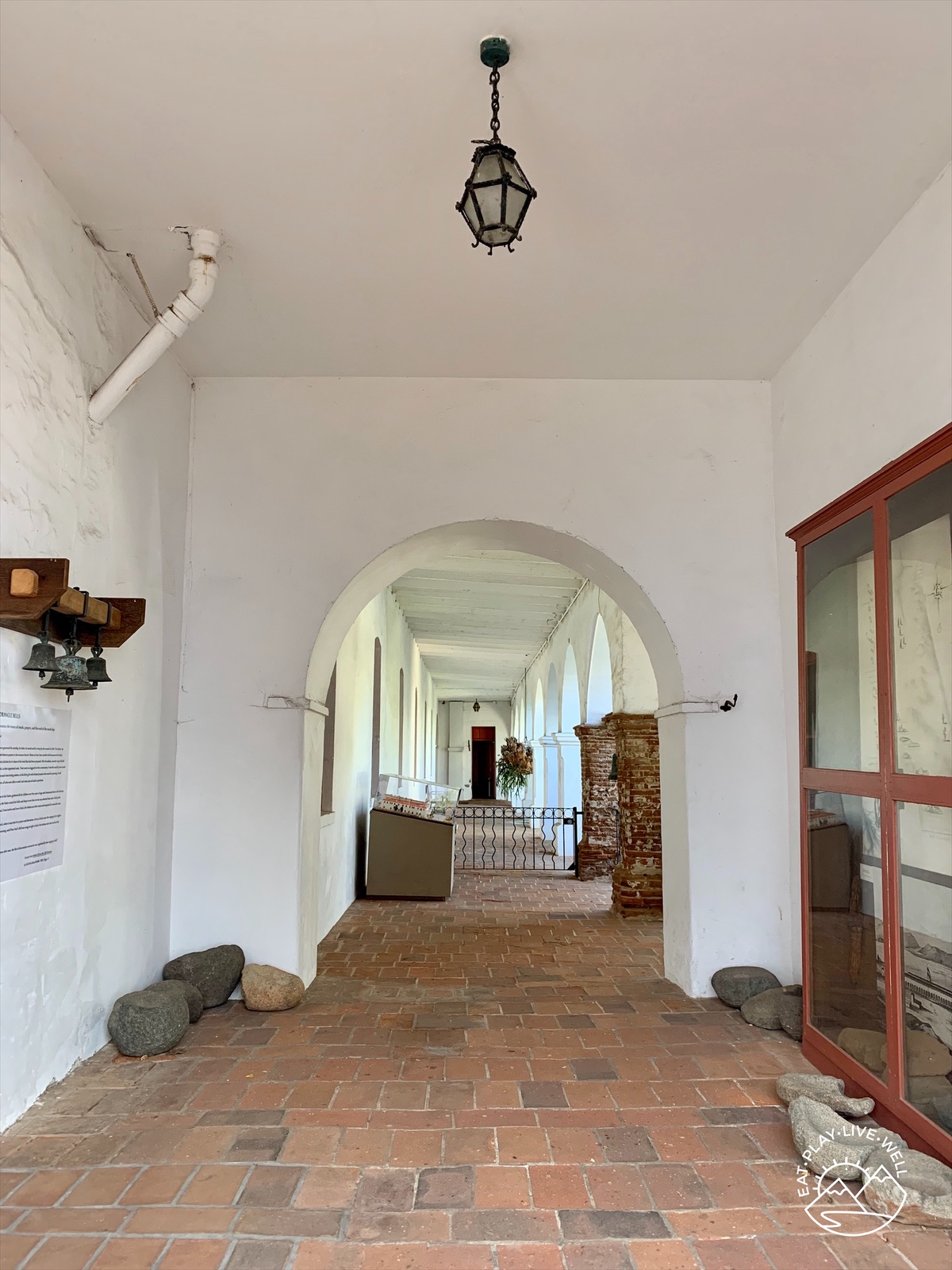
Bell wall
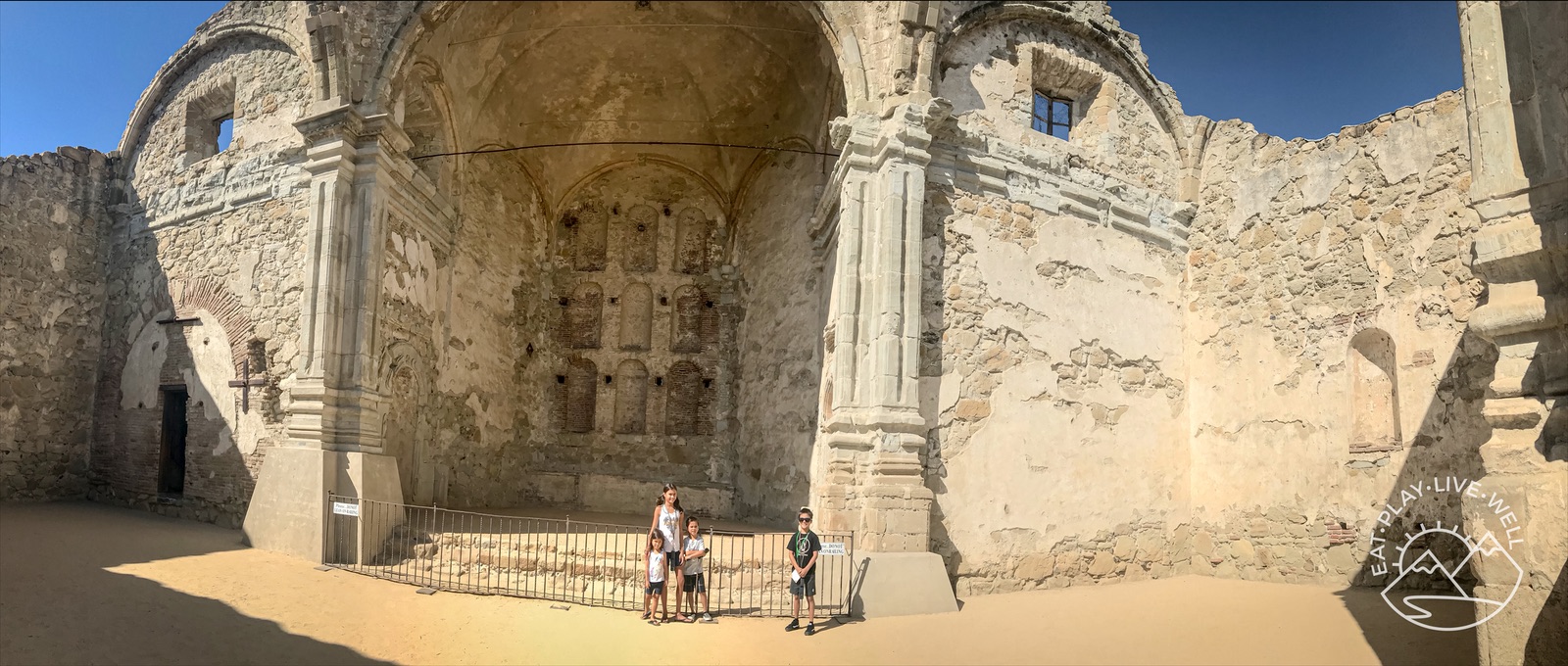
This is a panoramic view of the Great Stone Church that was destroyed by the great earthquake of 1812.
Mission Highlights:
Mission San Juan Capistrano is number 7 of 21 Missions in California.
The mission was founded on November 1, 1776 by Padre Junipero Serra and named after an Italian saint, San Giovanni di Capistrano (John of Capistrano in English) who was born in 1386.
The Mission is about 10 acres, including the Basilica and the Parish School.
On December 8, 1812, while many people were in the Great Stone Church for mass, a great quake shook the earth. The bell tower collapsed on the center of the church blocking the exits. Forty people tragically died inside. After the catastrophic event, there was no attempt at rebuilding. The padres left the church in ruins for everyone to remember a great loss in the community.
Mission San Juan Capistrano received the nickname the “Jewel” of the Missions because of the Great Stone Church. When it was completed in 1806, 9 years after the start of construction, it was recongized as an architectural stunner. Even to this day, the ruins of the Great Stone Church still stand as a marvel to admire.
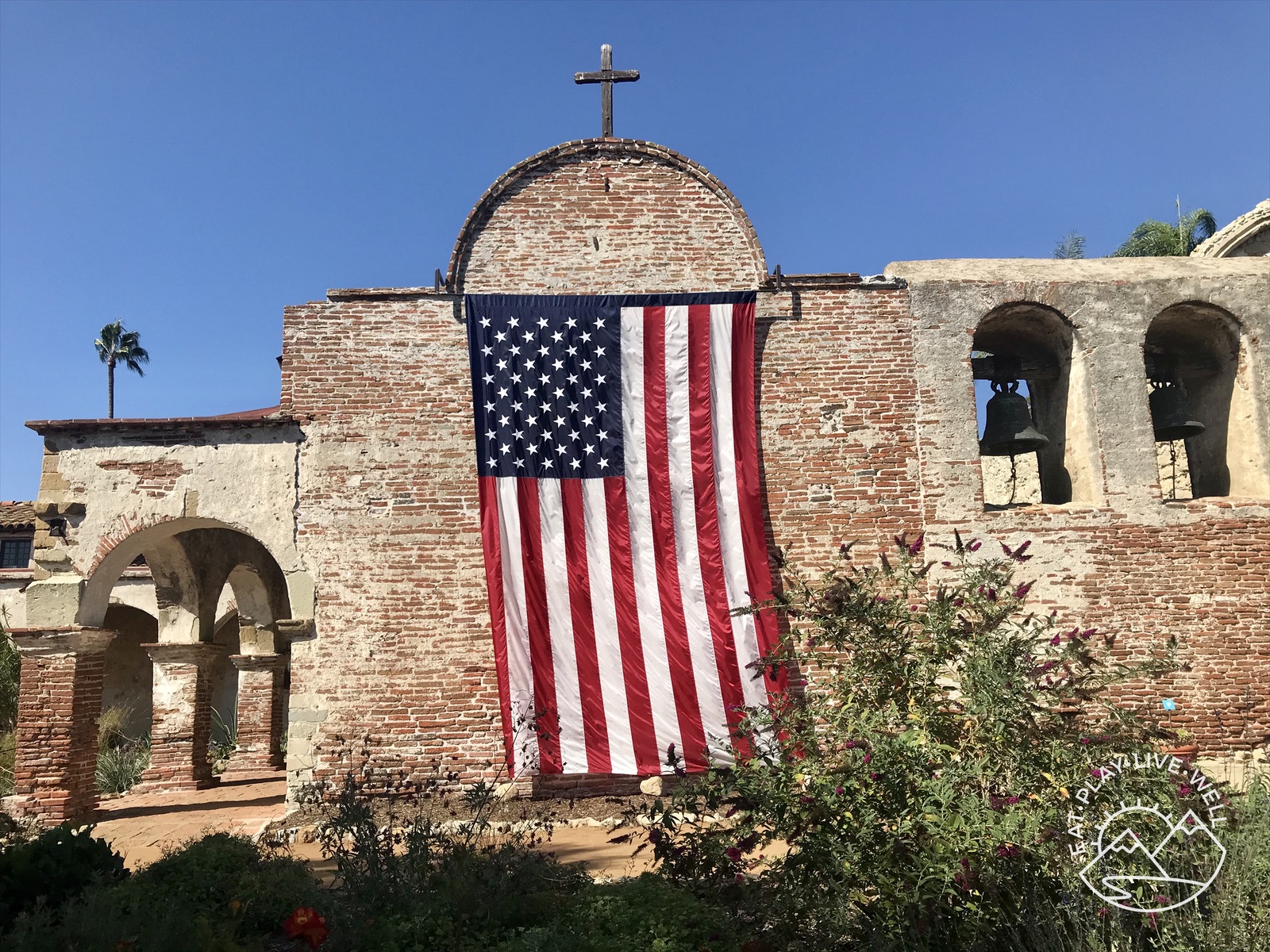
There are 4 bells hanging on the Campanario, or bell wall. The 2 smaller bells are original. The 2 larger bells are replicas of the original bells that still hang at the bell tower of the Great Stone Church.
The legend of the Cliff Swallows began in the 1920s by Father John O’Sullivan. The story of the swallows was retold over and over and became so well known that every year, Mission San Juan Capistrano recognizes Father O’Sullivan’s story by celebrating the return of the swallows on March 19th, Father O’Sullivans’ birthday.
Long before the Spanish arrived in Orange County, the land was home to the Acjachemen Nation.
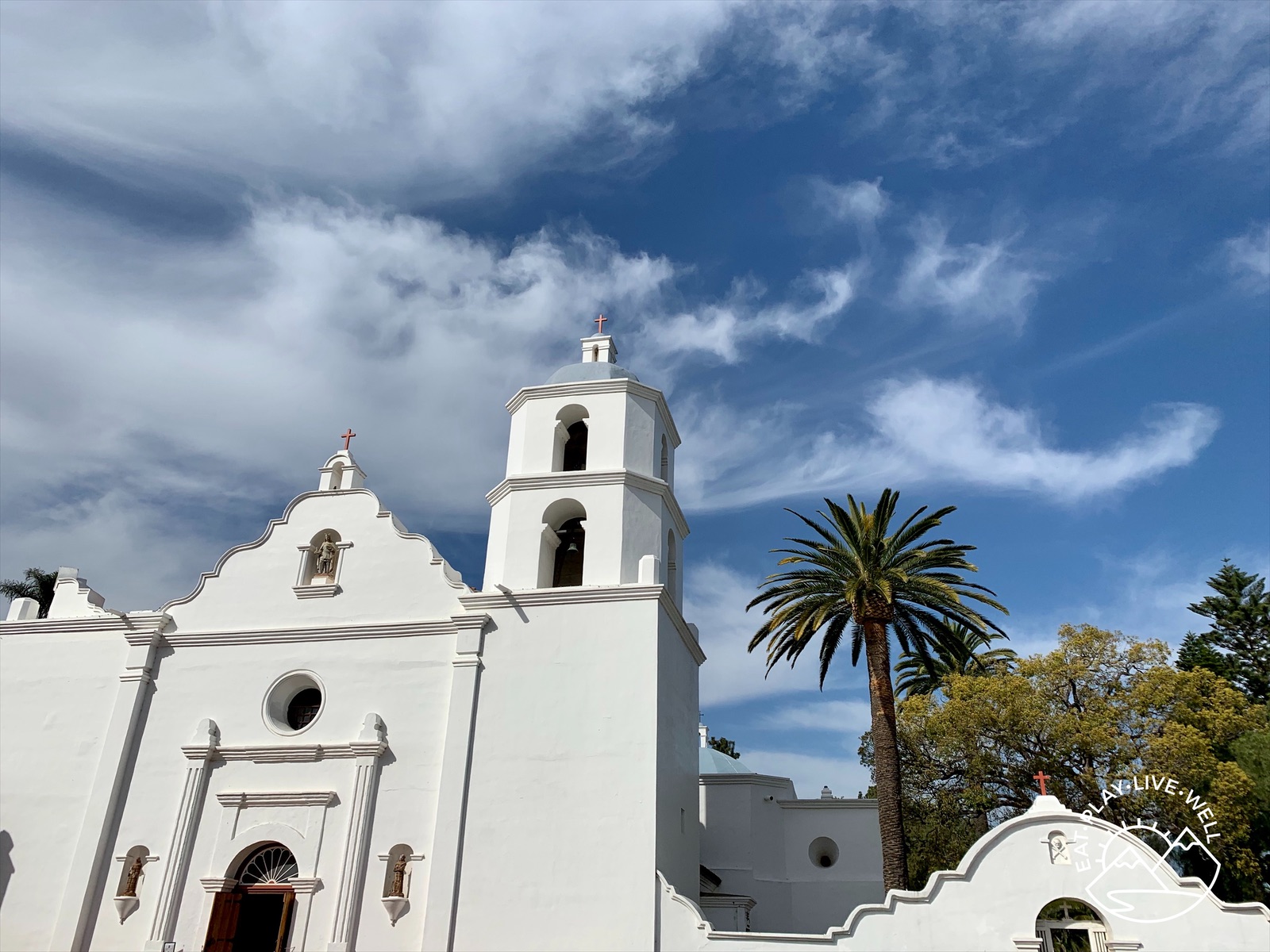
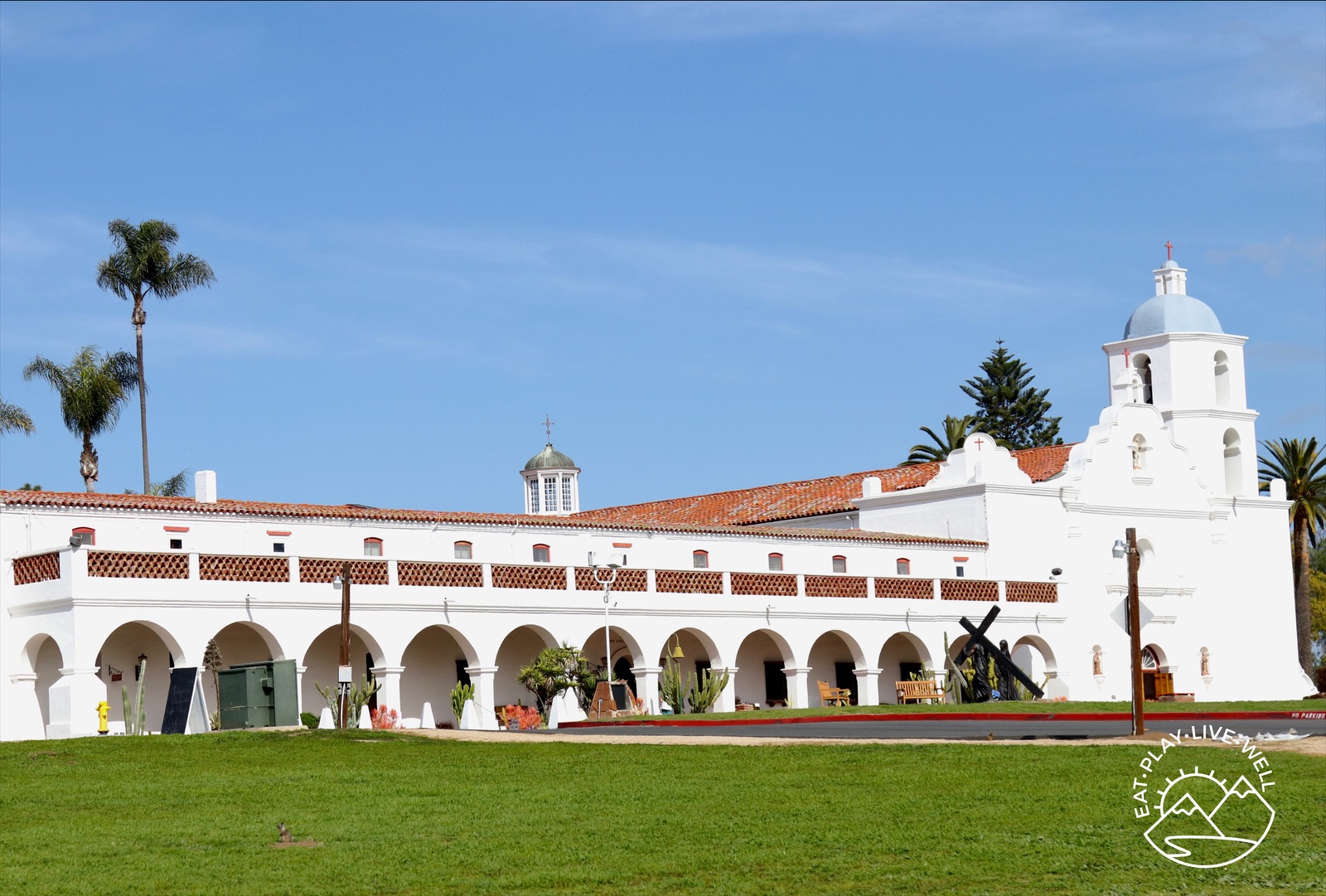
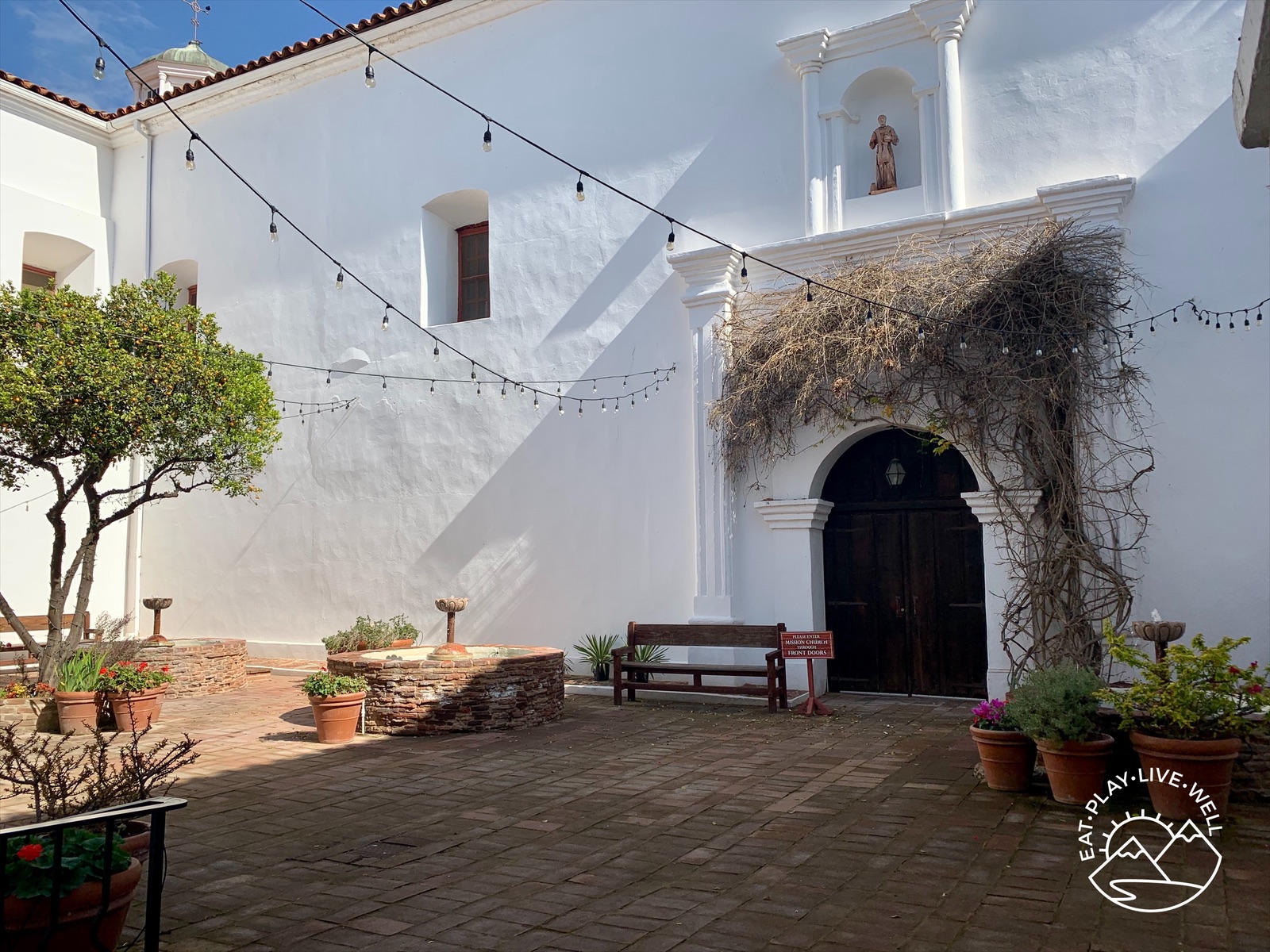
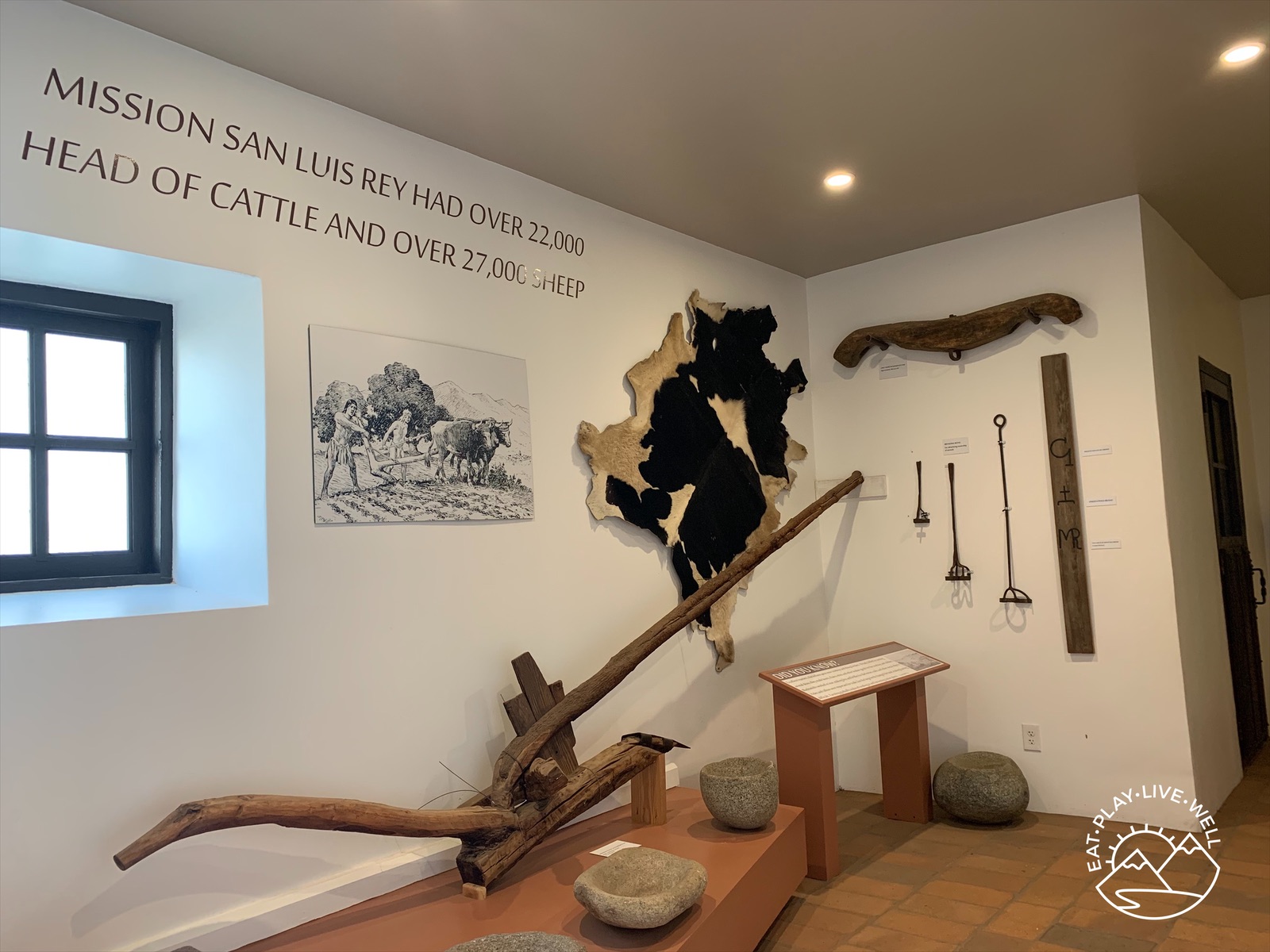
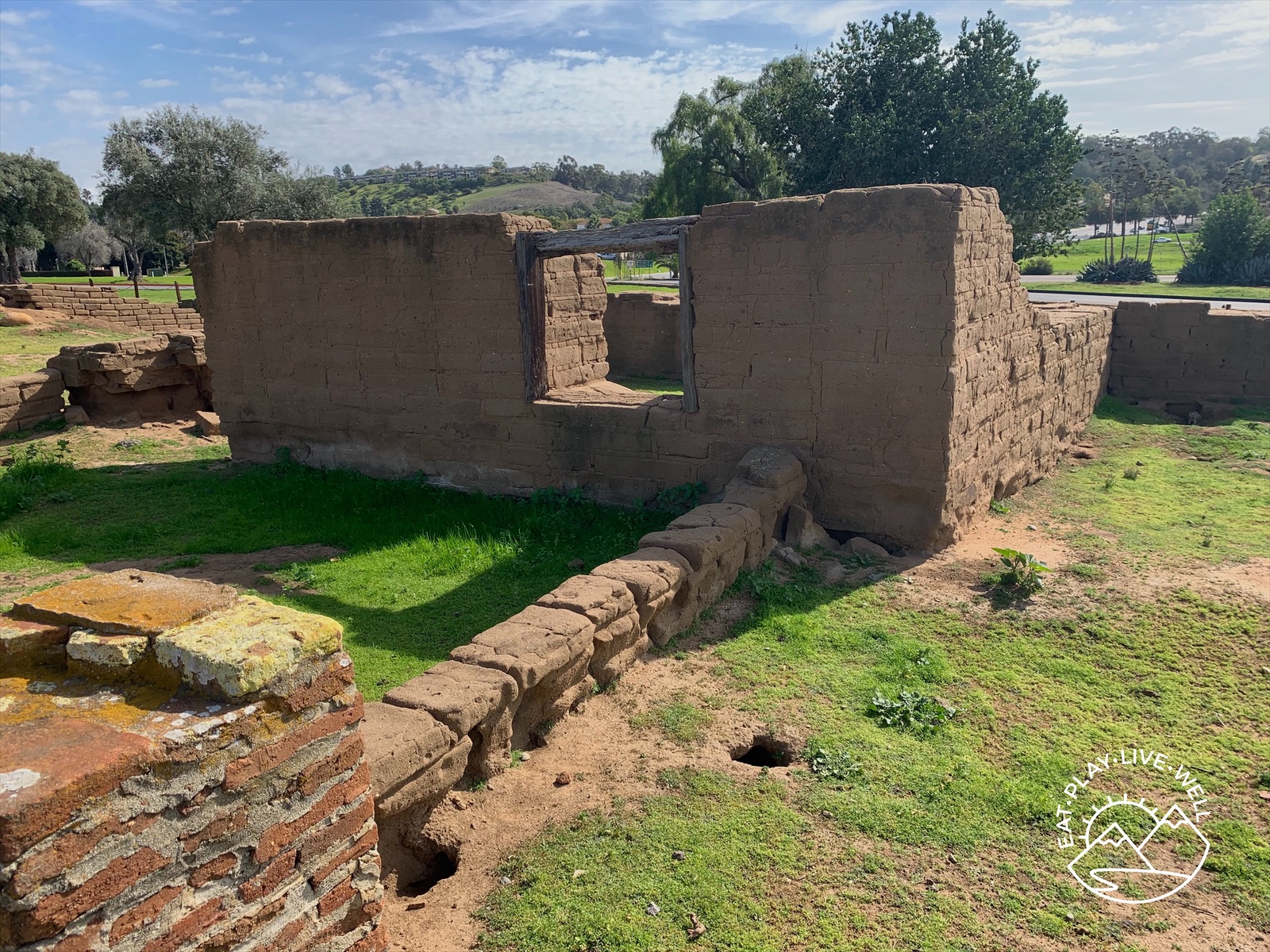
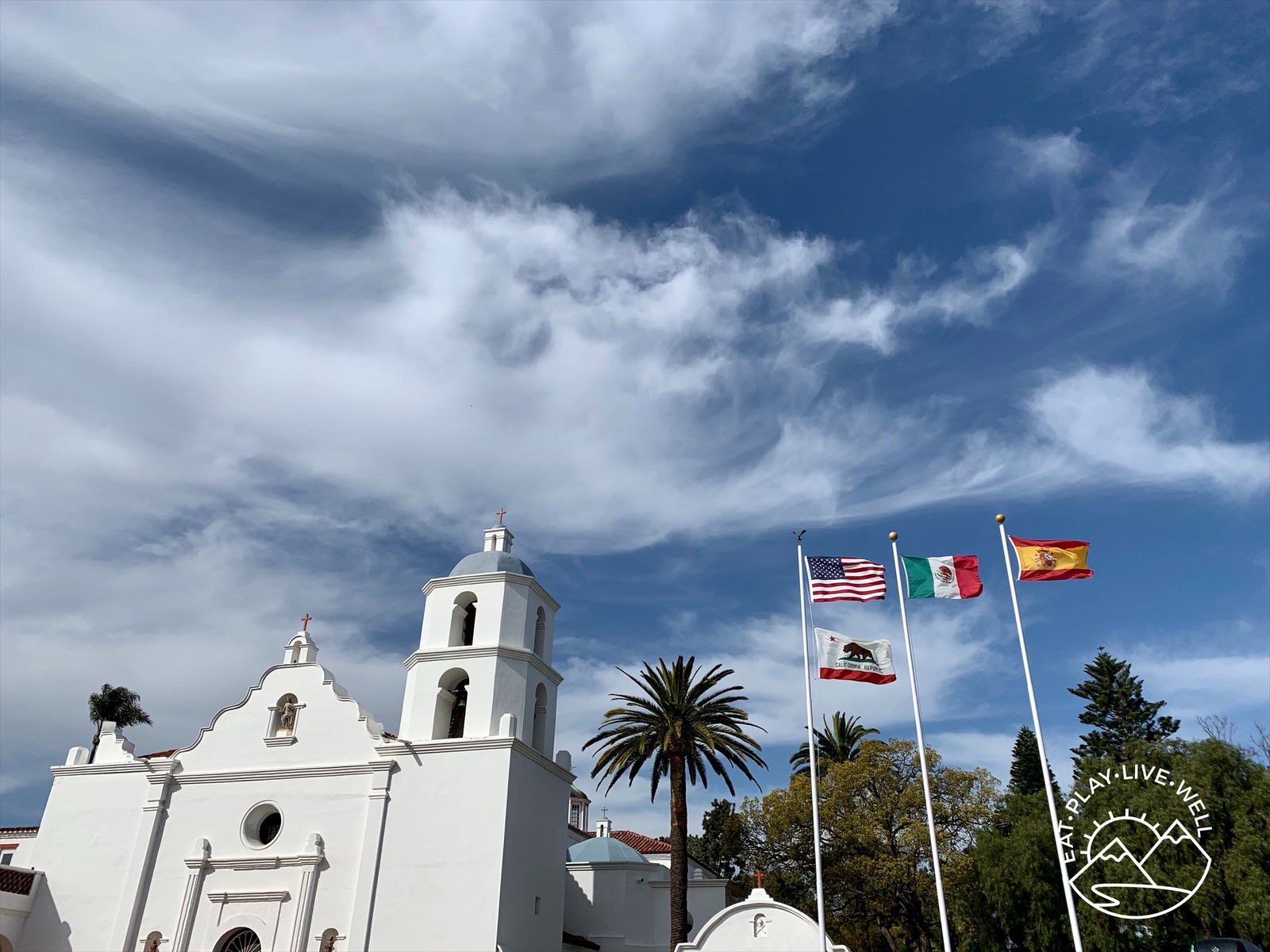
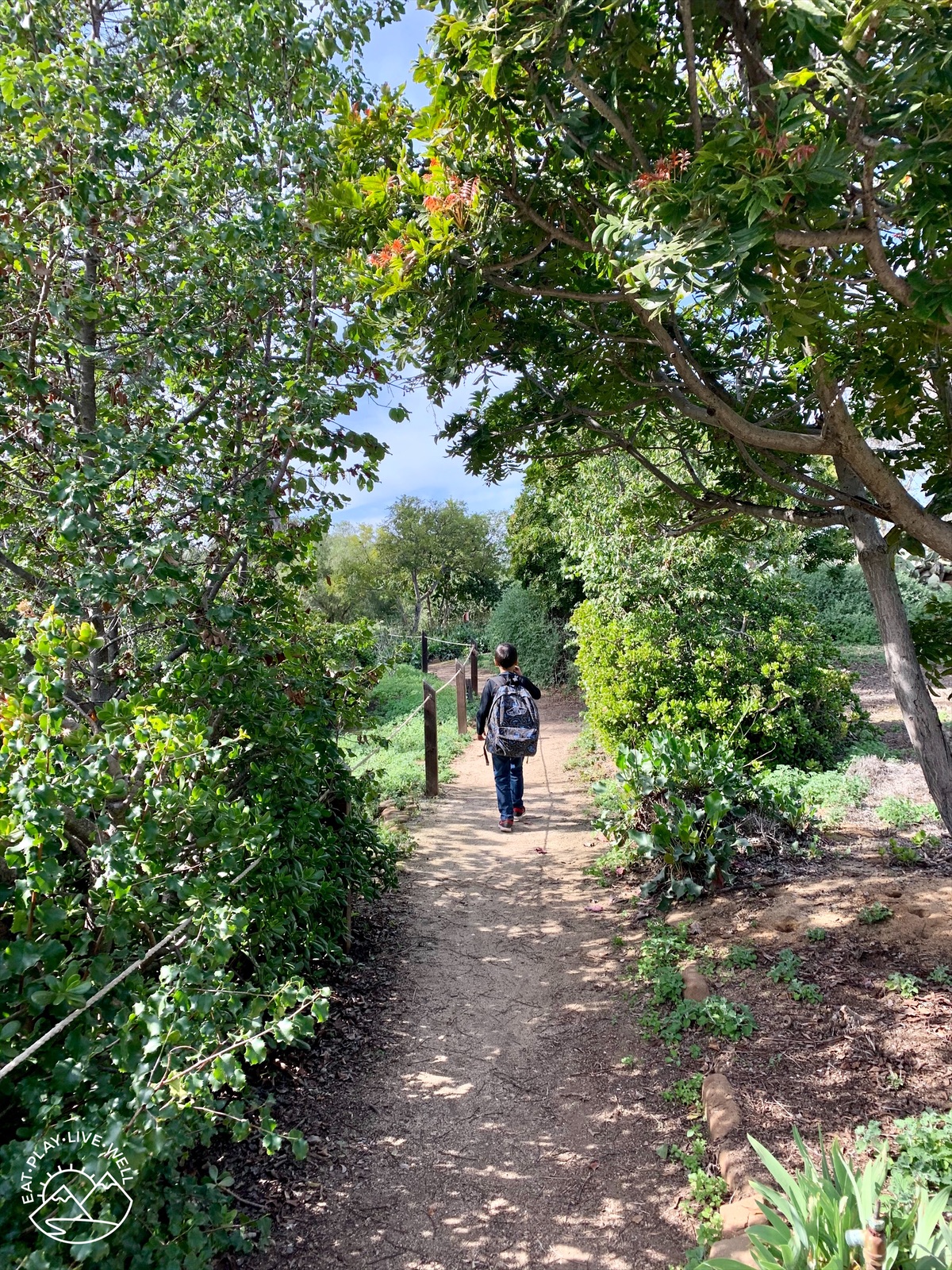
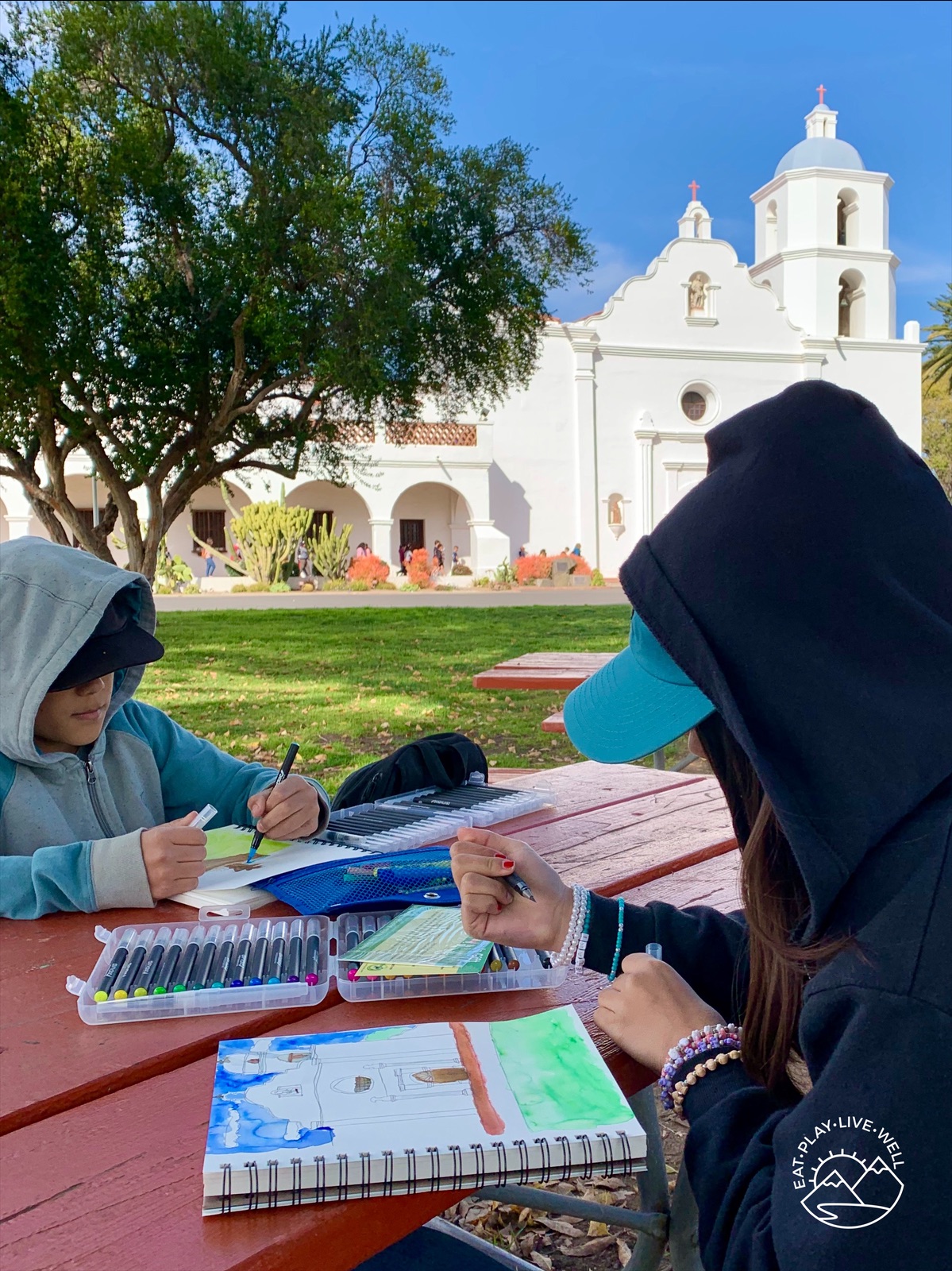
Located about 5 miles east of the Pacific Ocean in the beach town of Oceanside, California, Mission San Luis Rey de Francia sits on spacious and beautifully landscaped land. On a tour, you can visit the Historic Mission Church, remains of the Spanish soldiers’ barracks and lavanderia, the oldest pepper tree in California, and the oldest burial ground in North San Diego County. We spent a couple of hours here, enjoying a packed lunch, and taking time to create some watercolor paintings that the kids could take home as momentos of their time here.
Retreat garden
A view of the quadrangle
Soldiers’ barracks
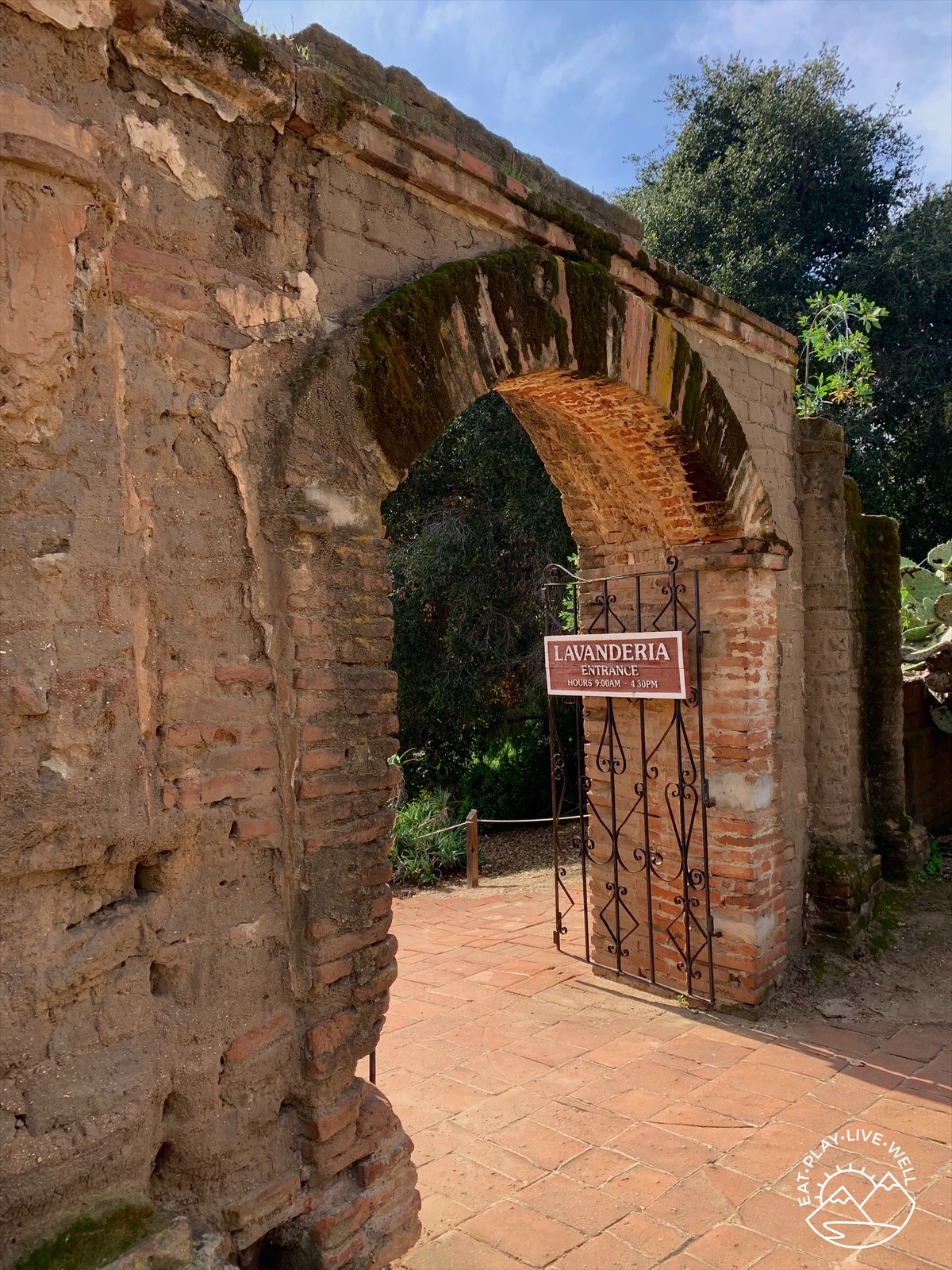
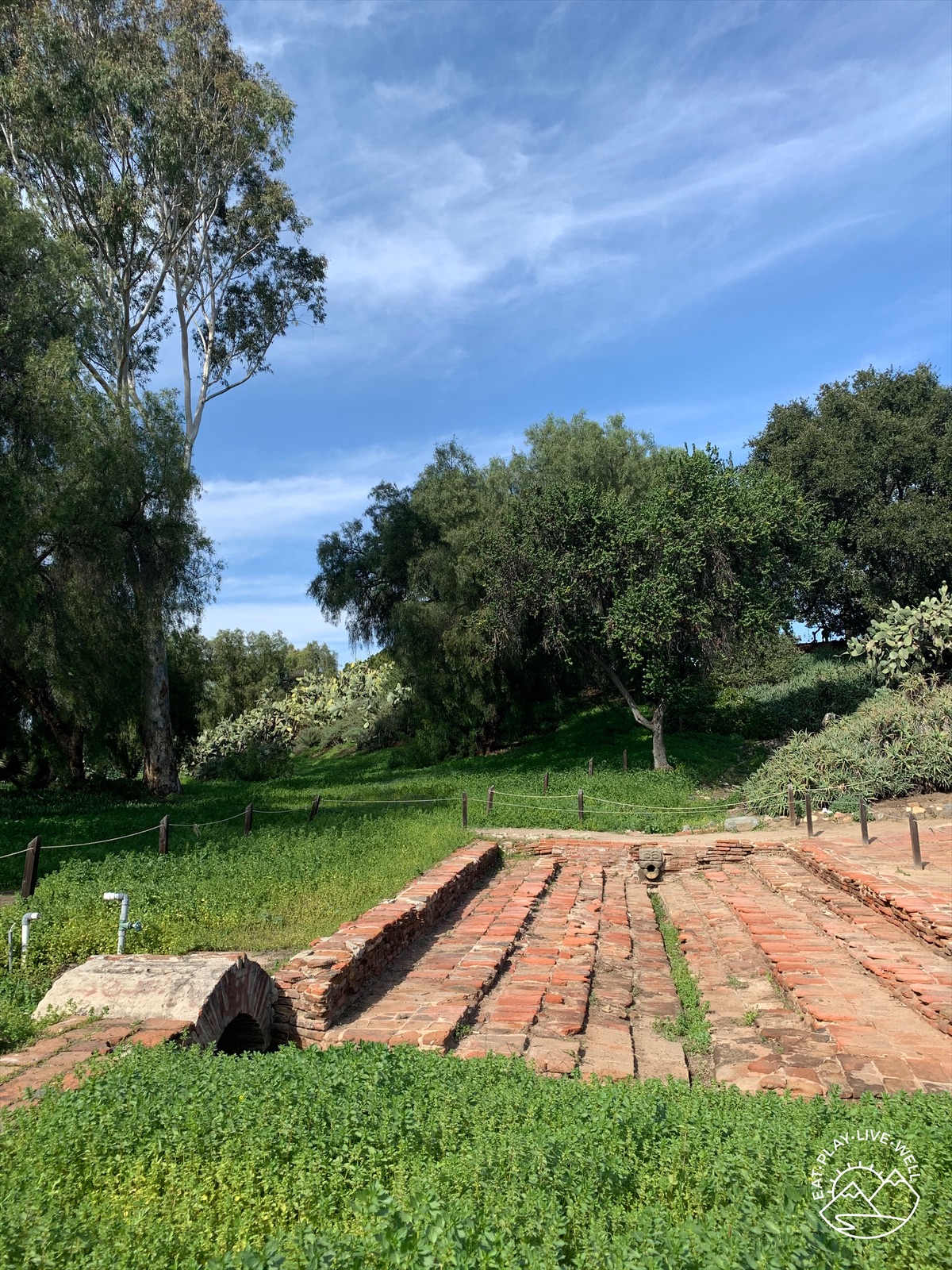
Lavanderia, or open air laundry
Steps to the lavanderia, or open air laundry
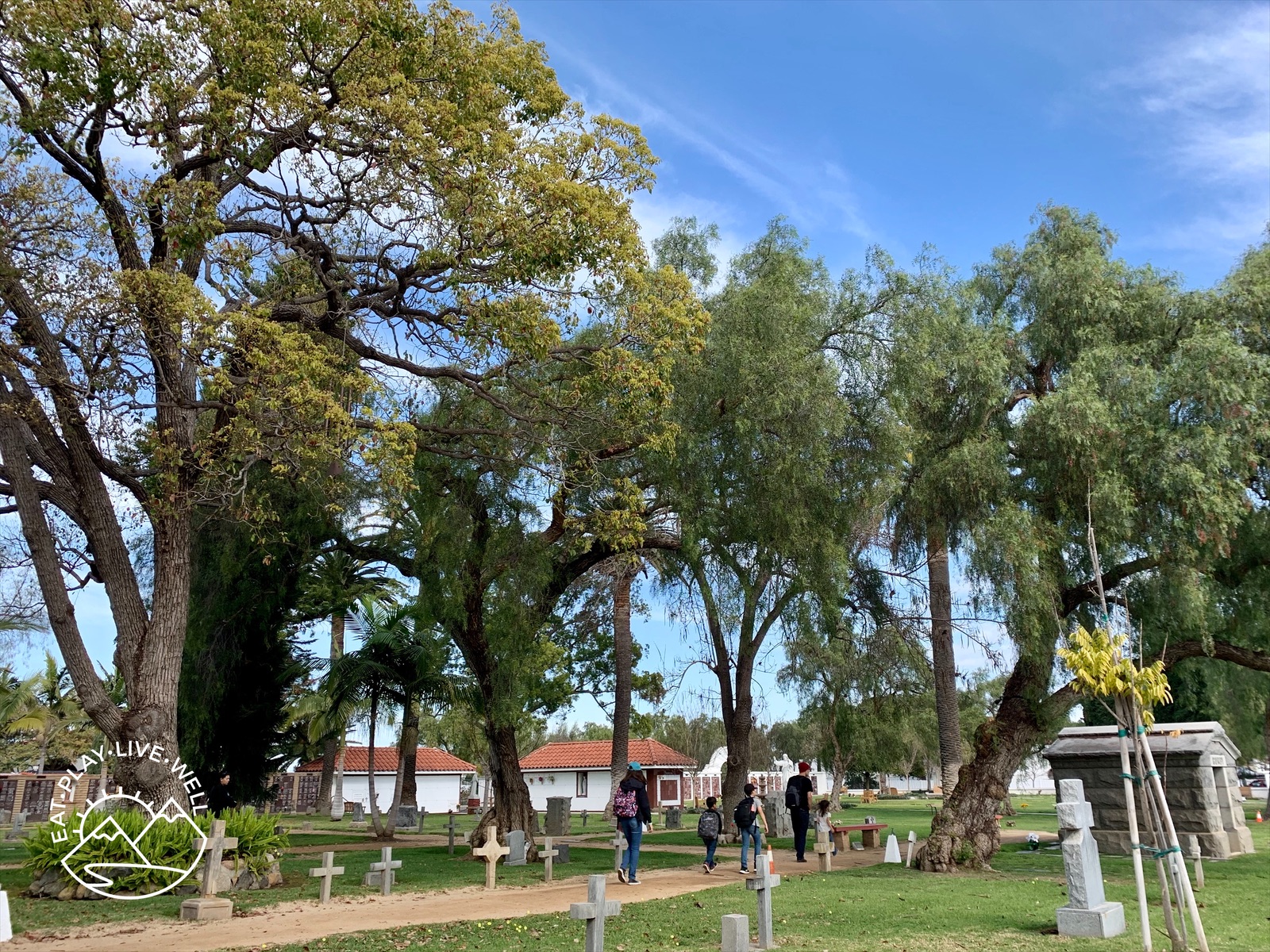
Oldest burial ground in North San Diego County still in operation today
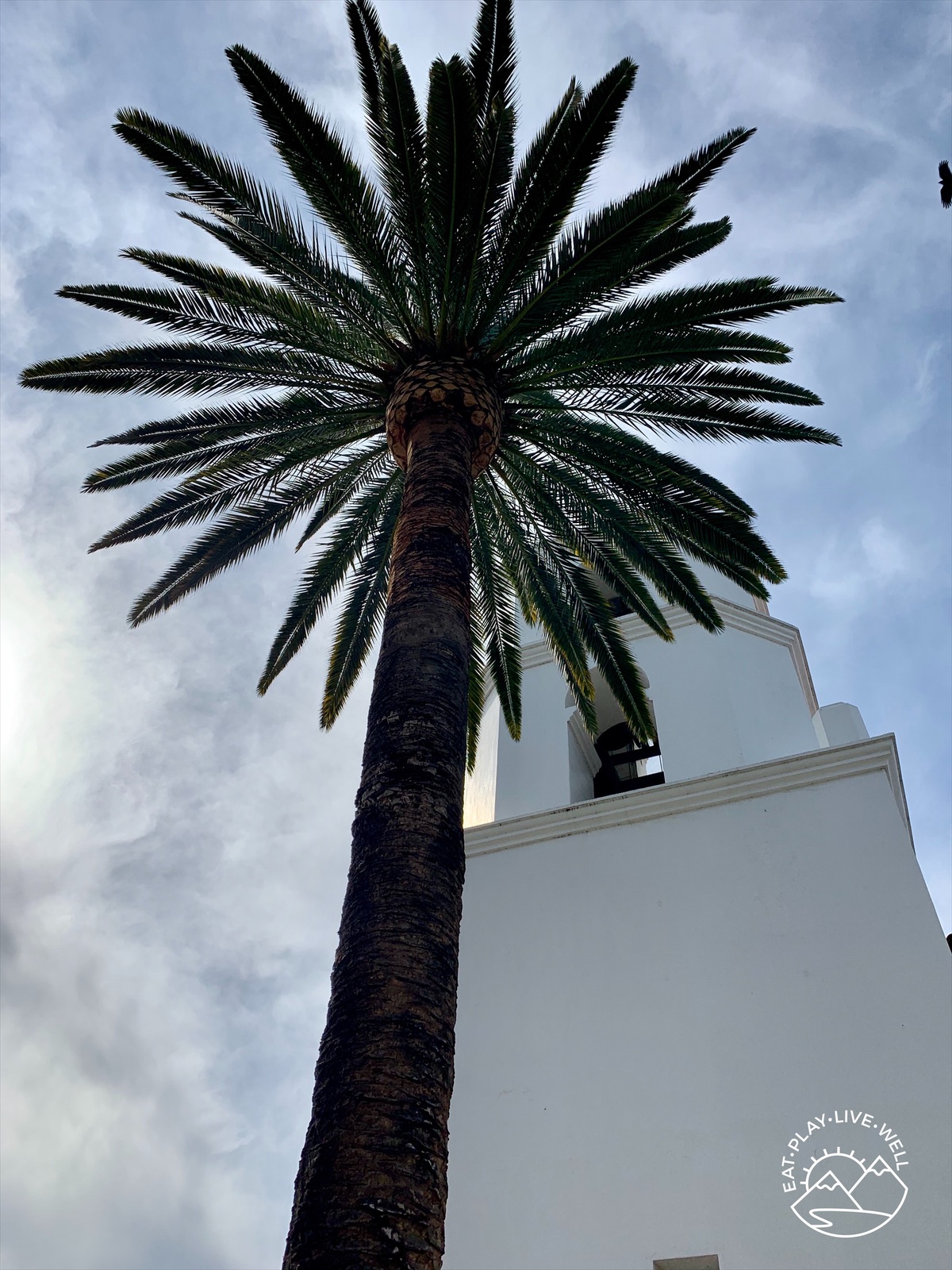
A view of the cupola that sits on top of the domes
A view of the quadrangle
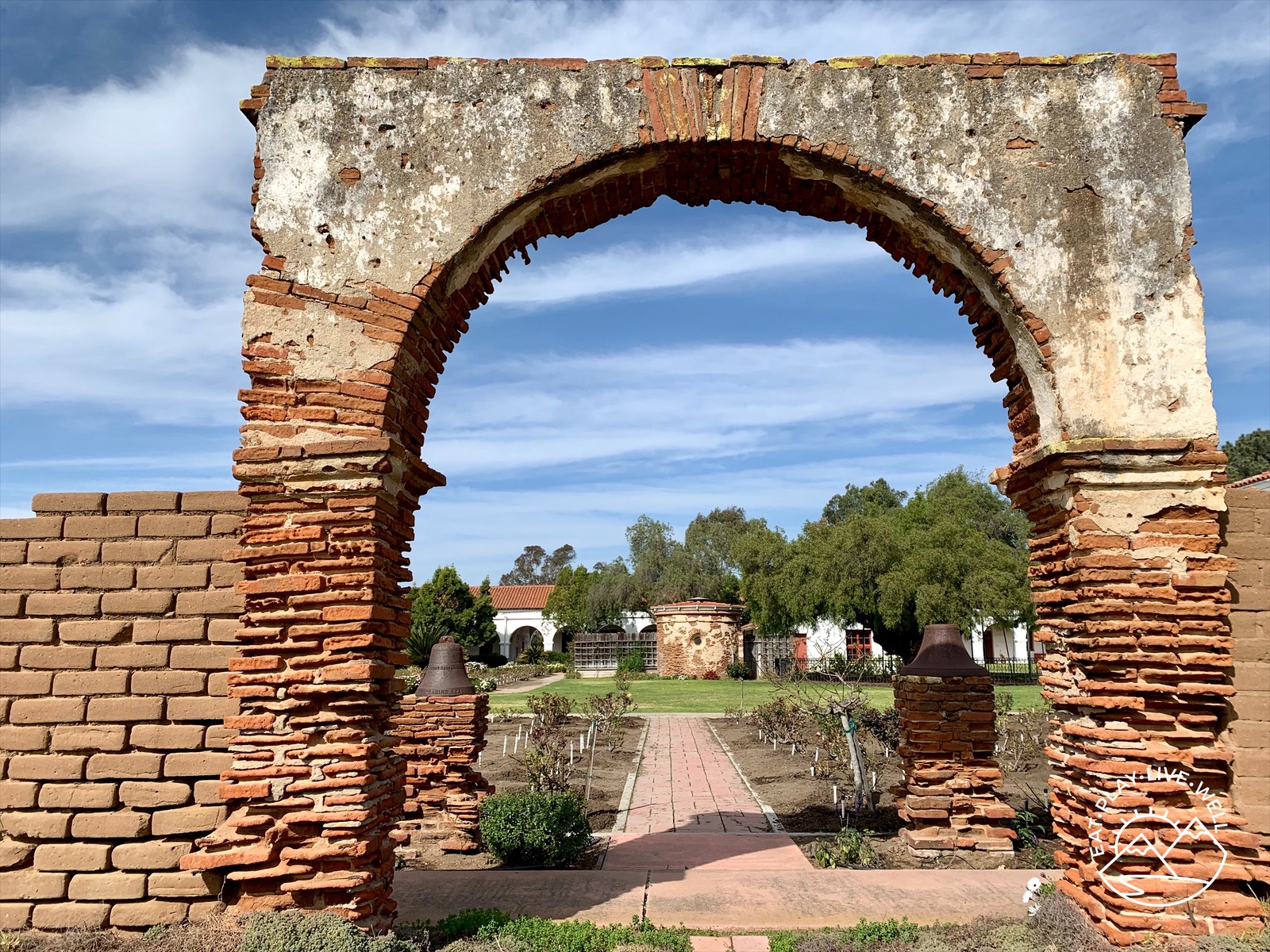
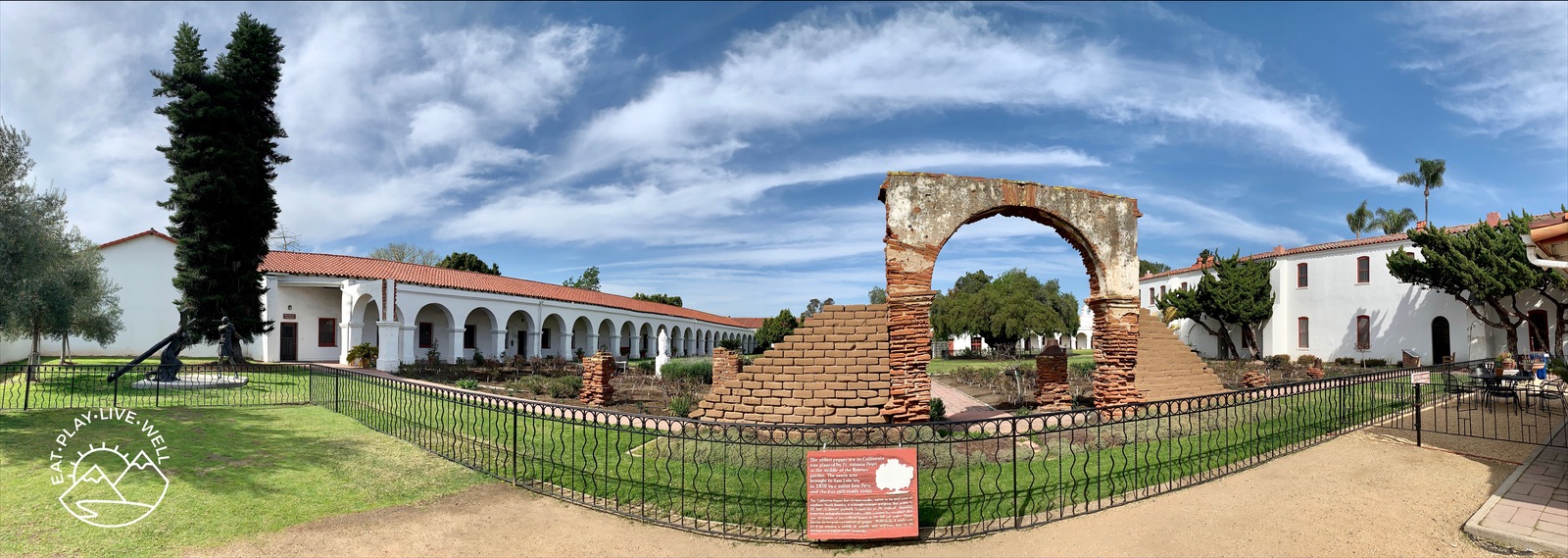
A panoramic view of the quadrangle. The oldest living pepper tree in California can be seen in the background under the arch.
Water flowed out of the carved gargoyles in the lavanderia
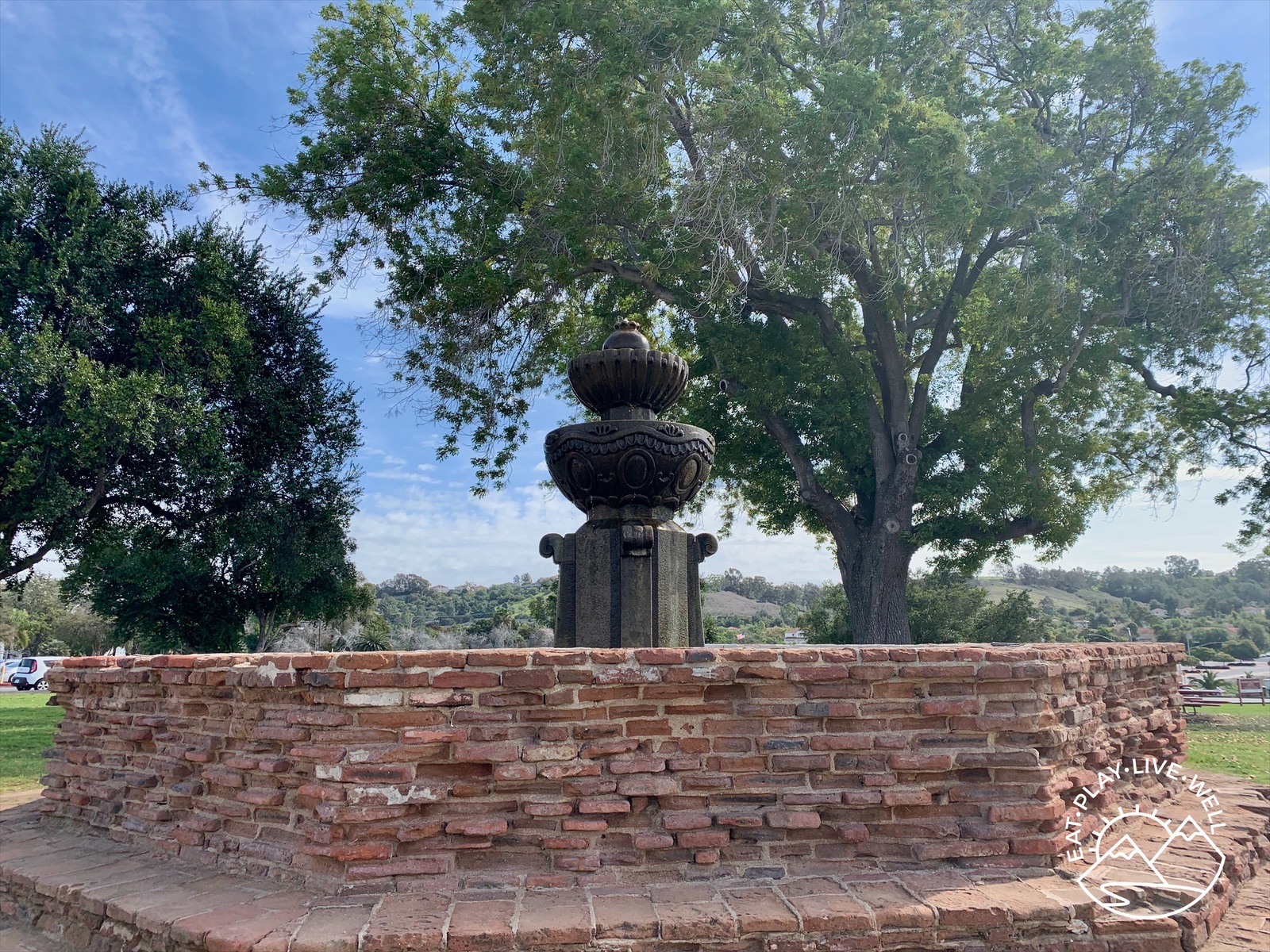
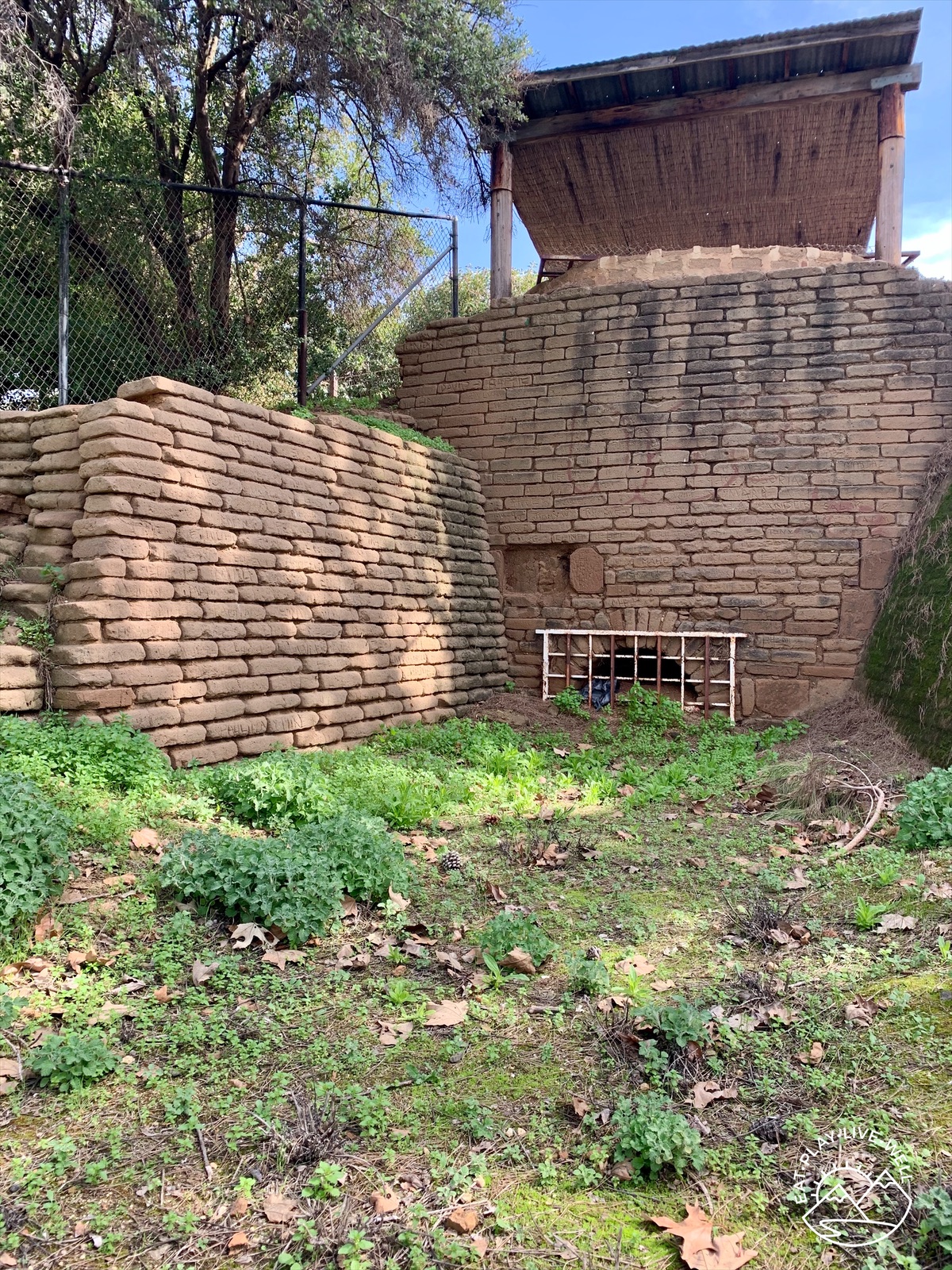
The original brick and lime kiln used in the construction of the mission
Painting momentos using watercolors
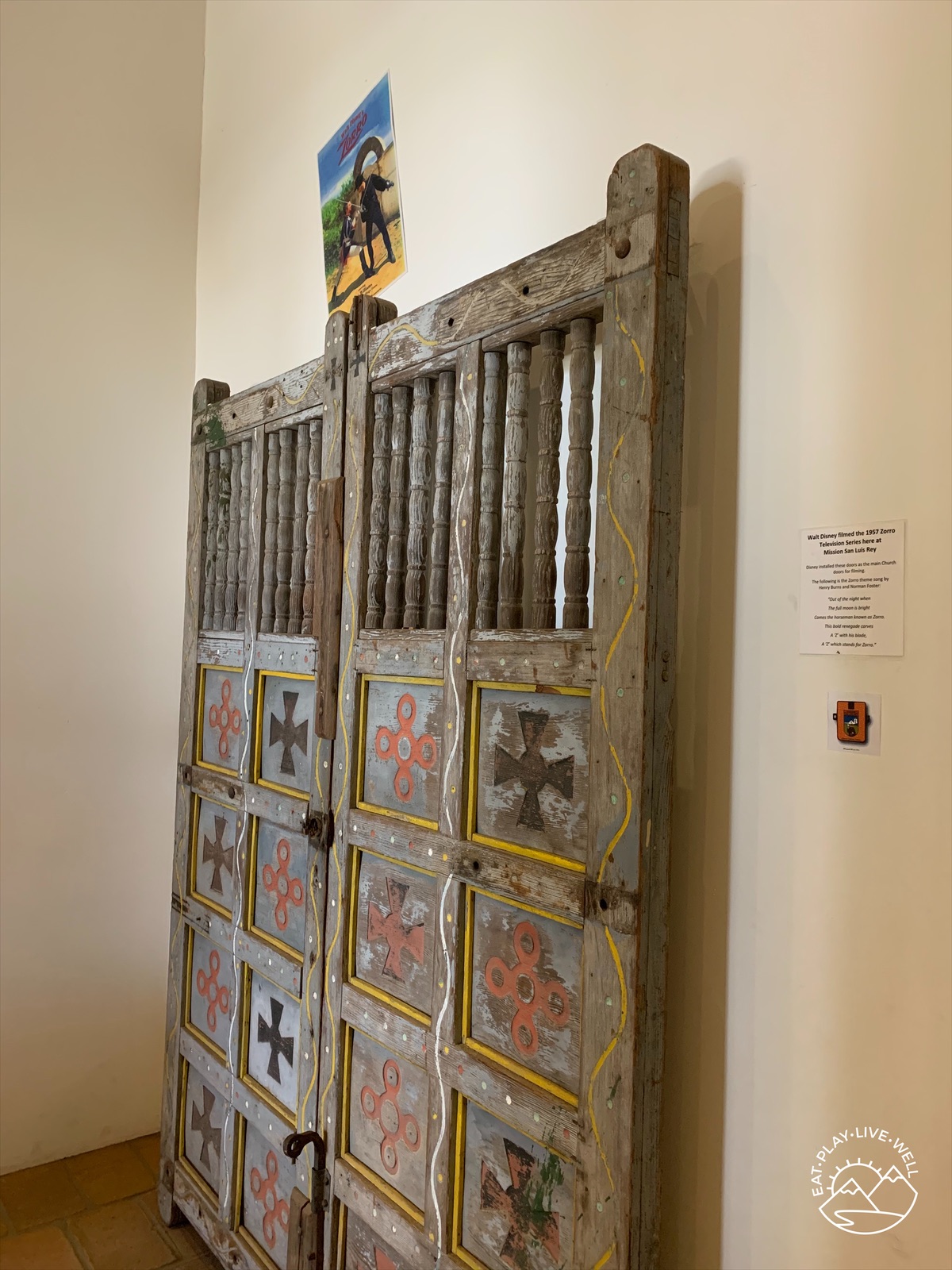
Disney used these doors as the main church doors during the filming of the “Zorro” TV series in 1957
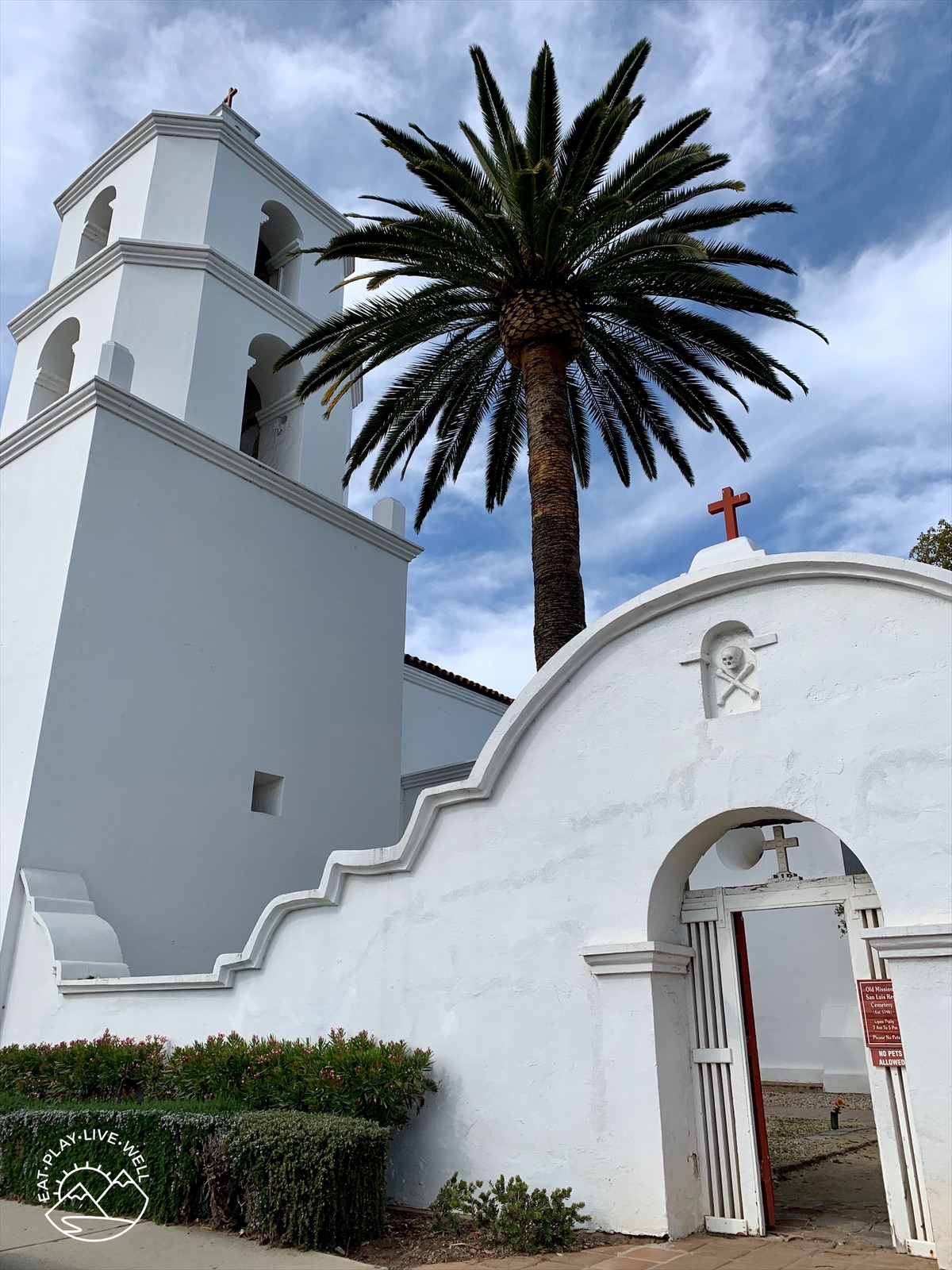
Entrance to the cemetery
Mission Highlights:
Mission San Luis Rey de Francia is number 18 of 21 Missions in California.
The mission was founded in 1798 by Padre Fermín Francisco de Lasuén, successor to Padre Junipero Serra and named after St. Louis IX, King of France.
The mission once had approximately 950,400 acres of land. Today, the Mission only has 56 acres.
Mission San Luis Rey the Francia is the largest of the 21 California missions. It is the only one adorned with a wooden dome and cupola that sits on top of the bigger dome.
Above the cemetery entrance, you’ll find skull and crossbones, which can also be found at other Franciscan cemeteries. In the 1950s, Walt Disney Studio replaced the cemetery gates for the filming of several television episodes of “Zorro” at San Luis Rey.
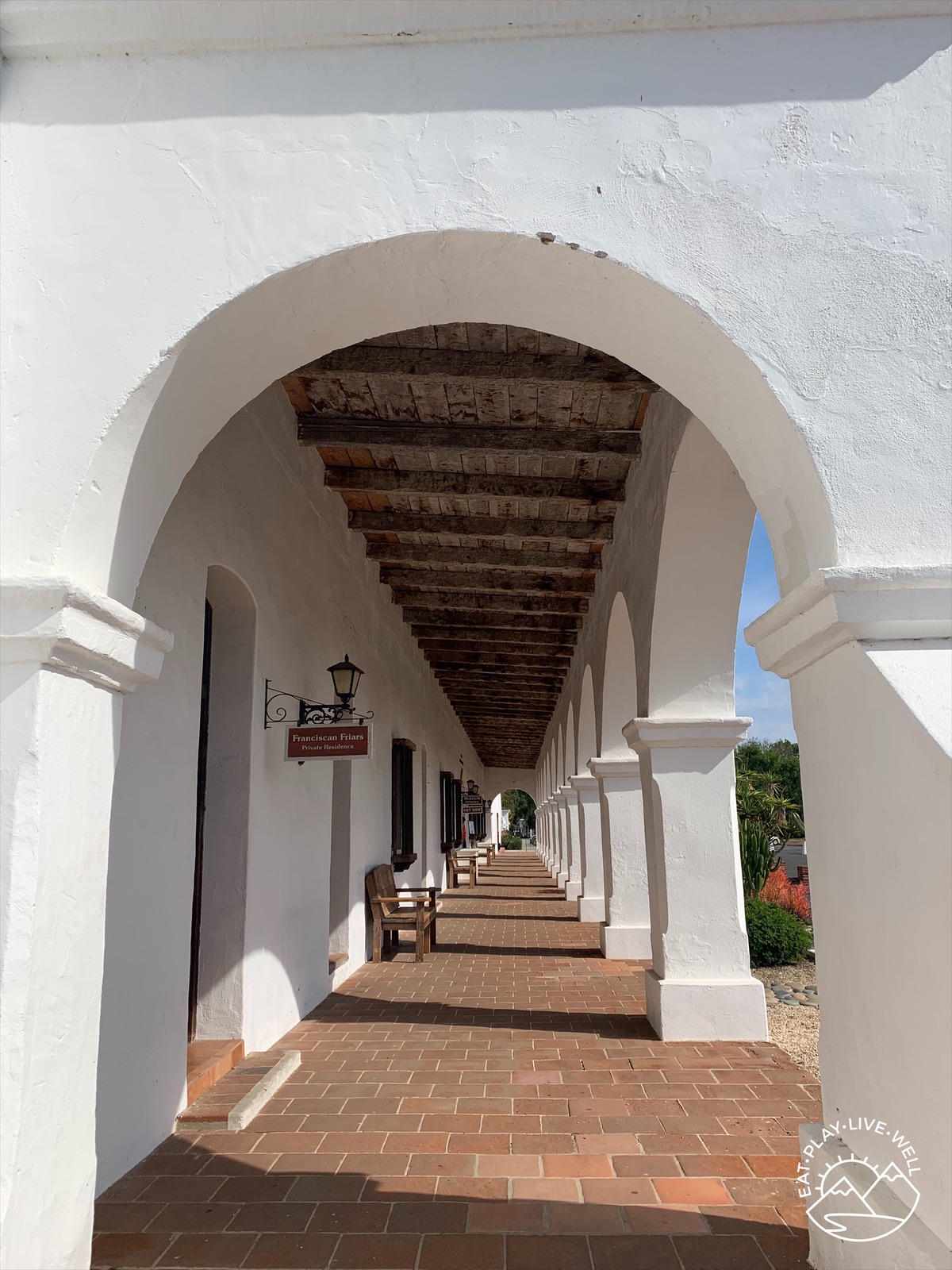
Order of Friars Minor, or OFM, is the name given to the Franciscan religious community that founded the missions. They still currently reside at Mission San Luis Rey today.
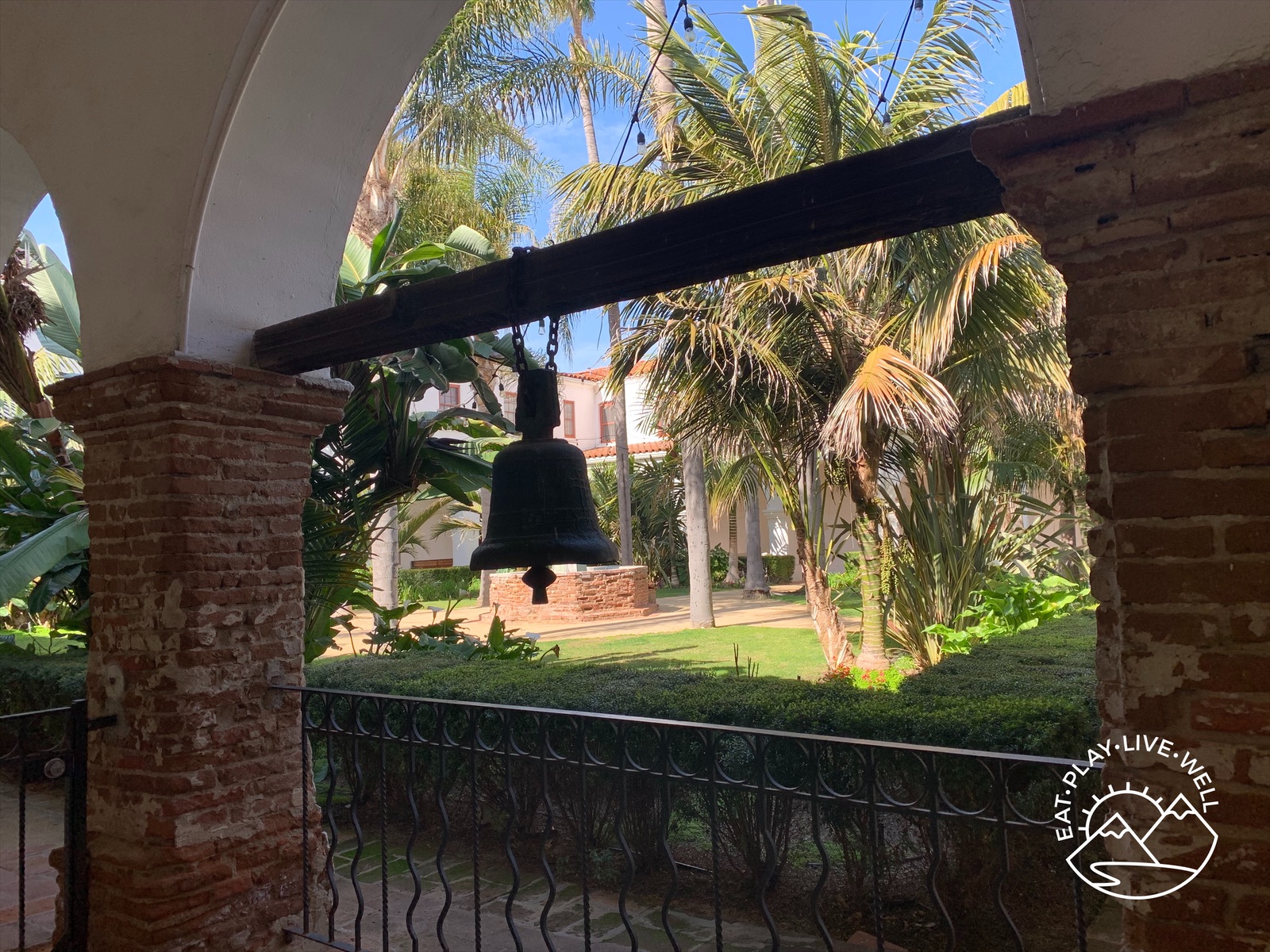
There were originally 8 bells at the mission. There are now only 4 bells.
The oldest living pepper tree in California can be found in the four-sided patio known as the Mission quadrangle.
The Luiseño people were the Native Americans who lived in this area.
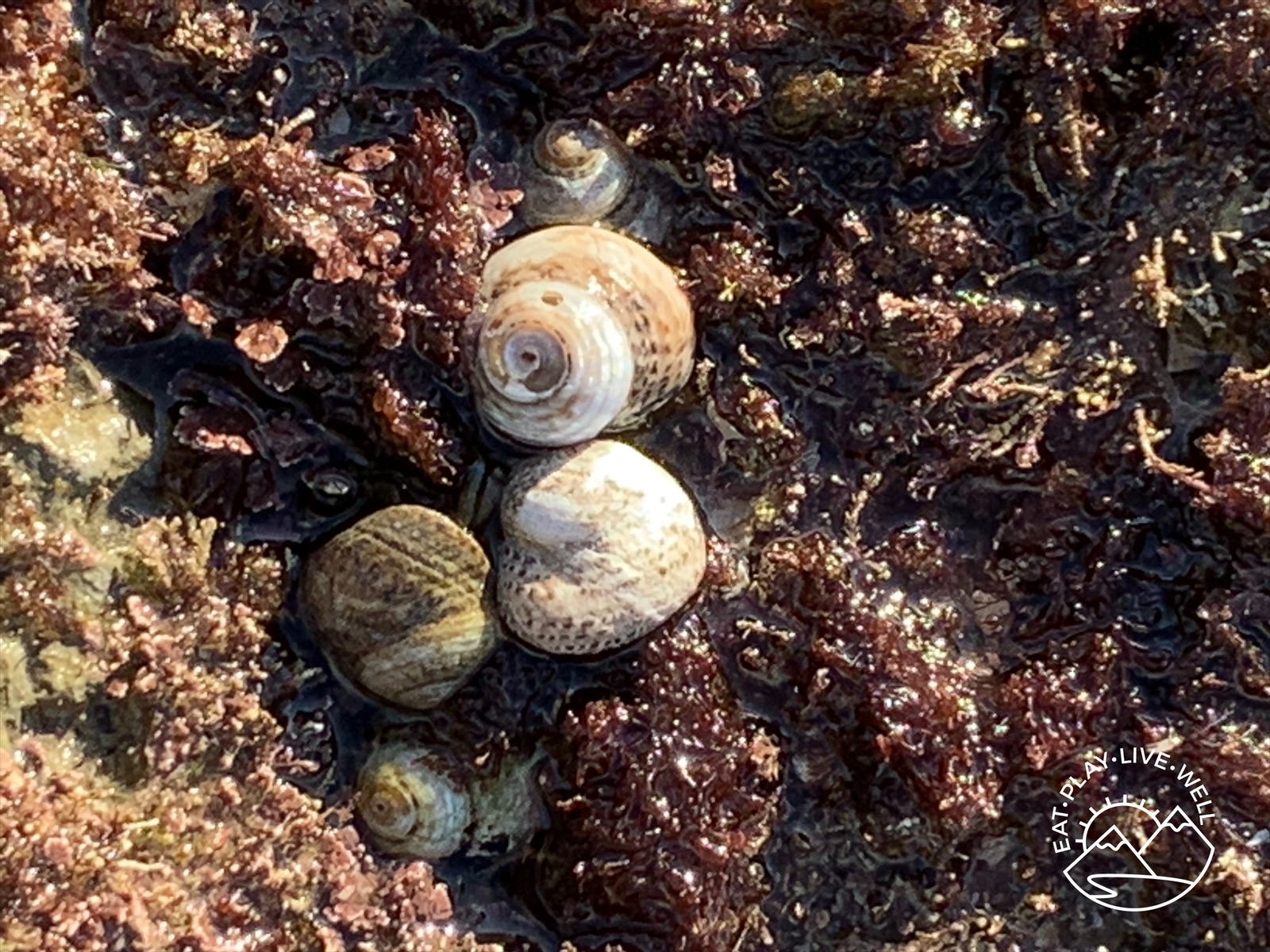
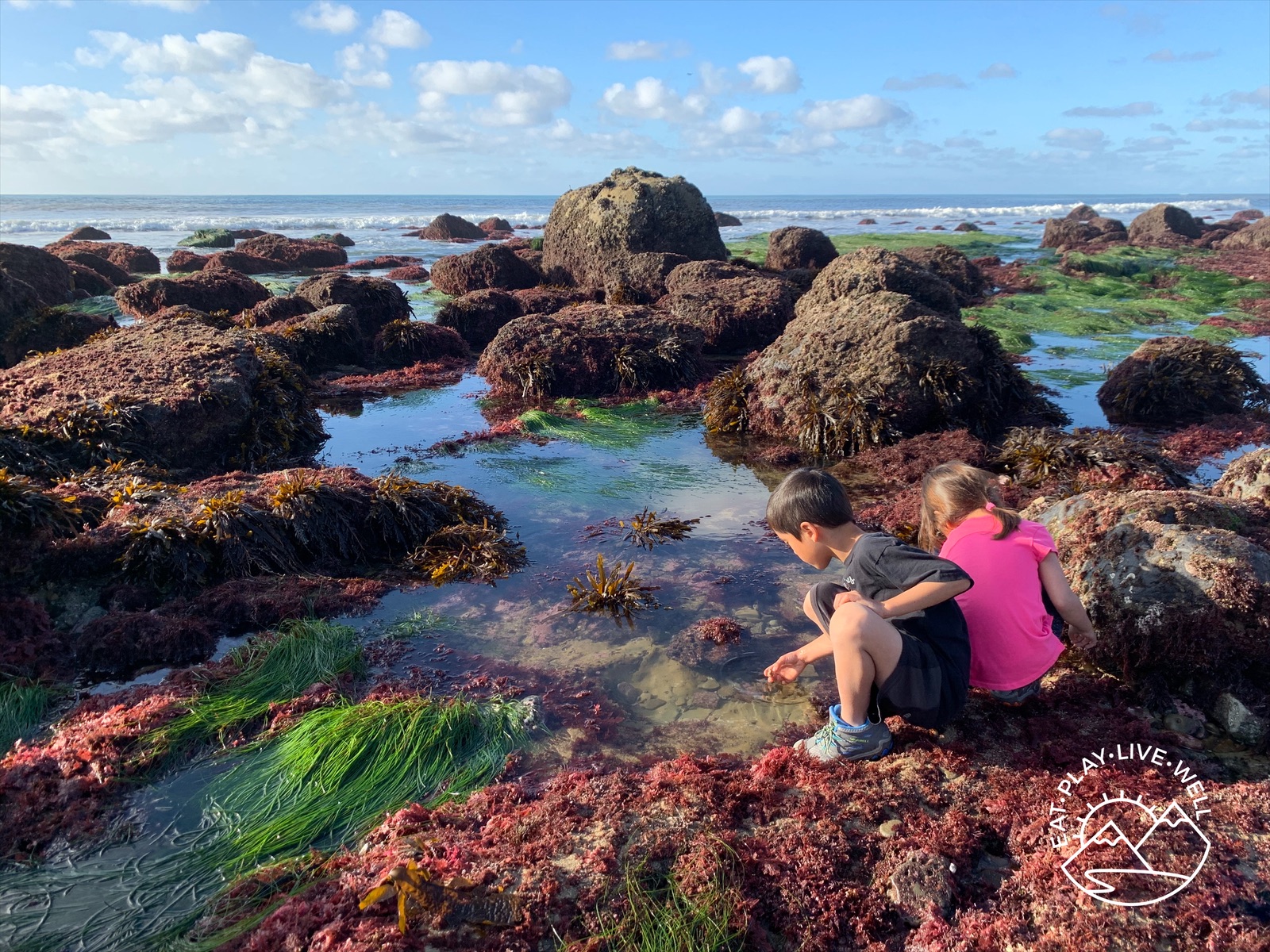
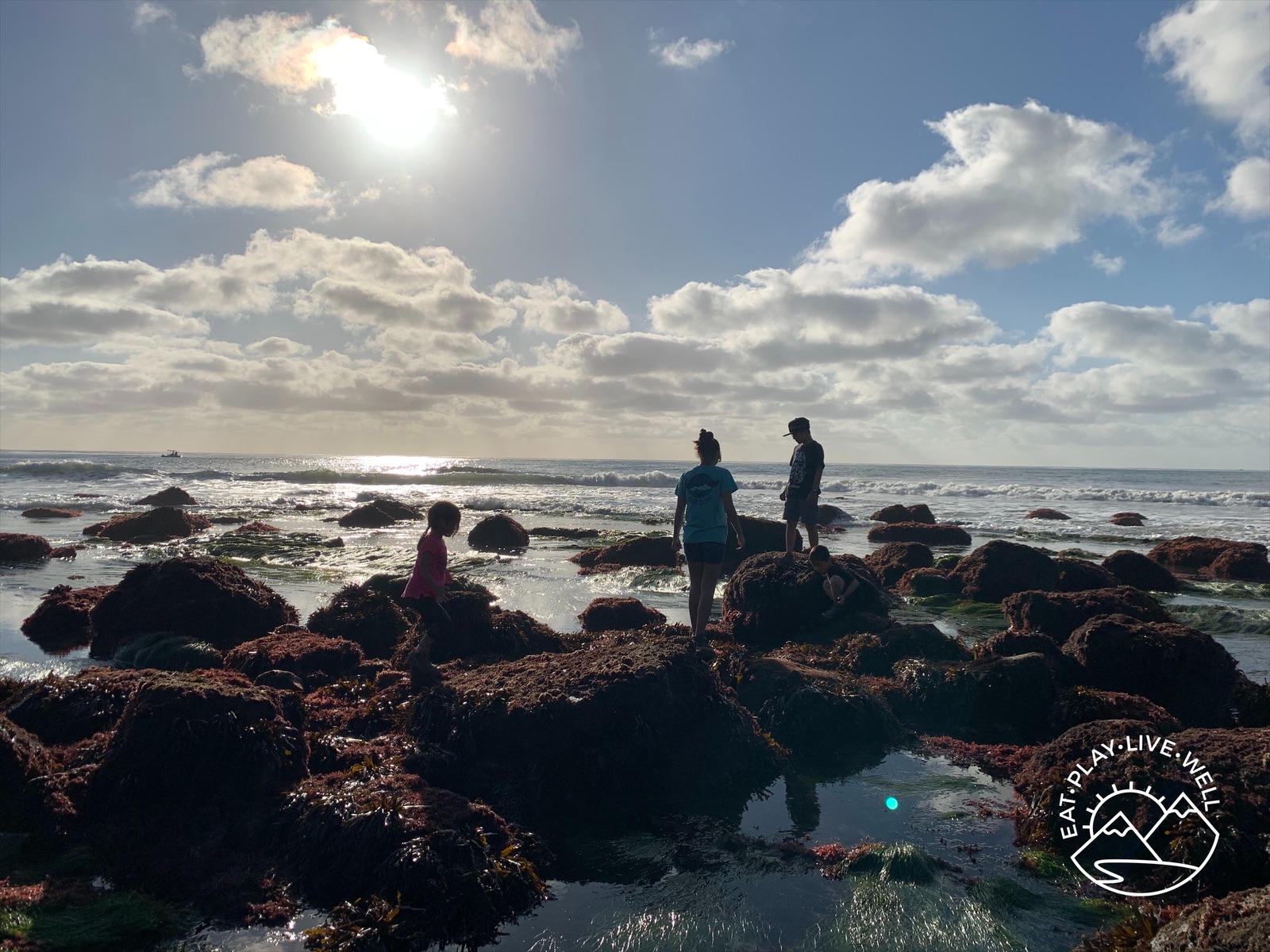
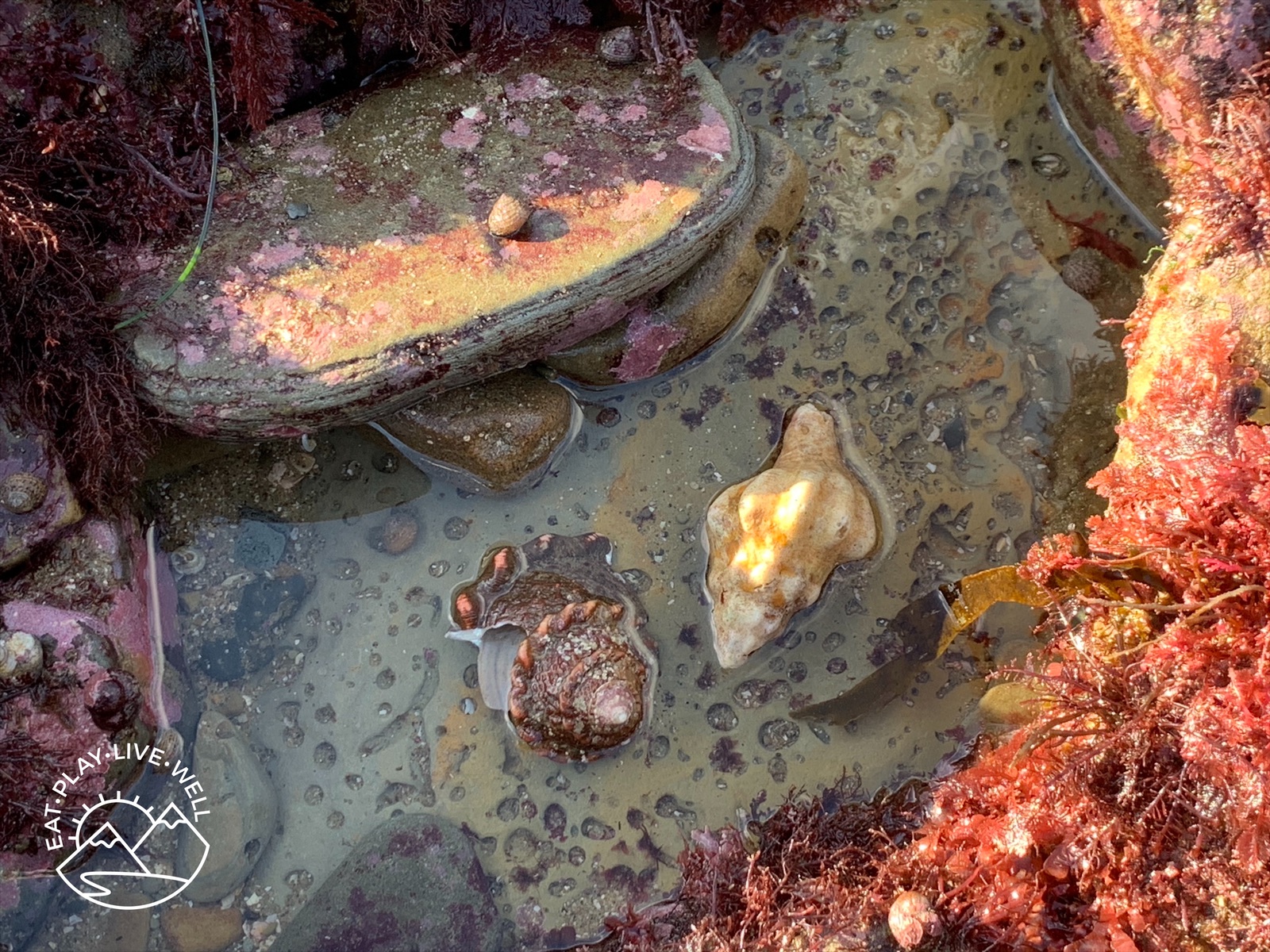
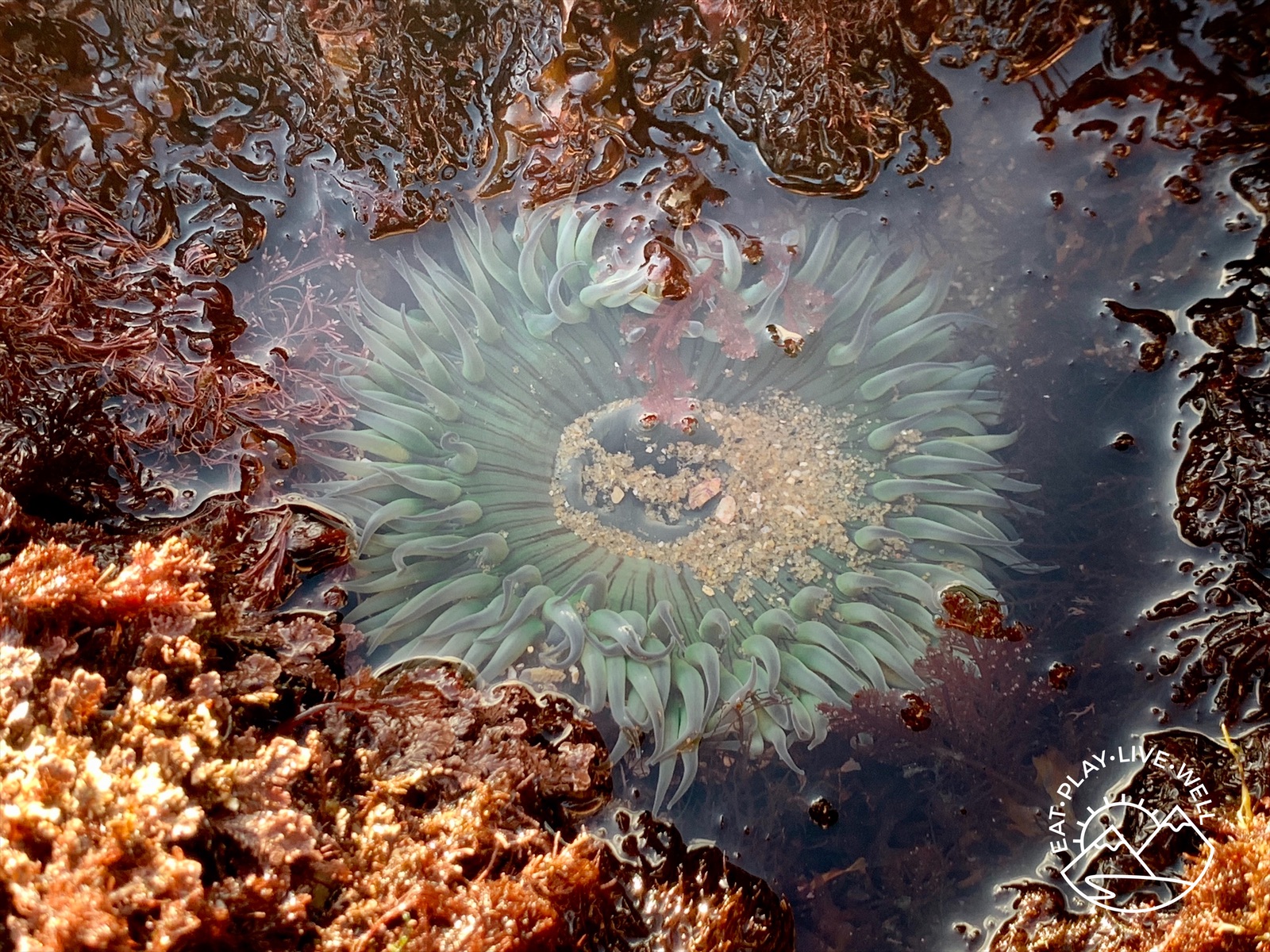
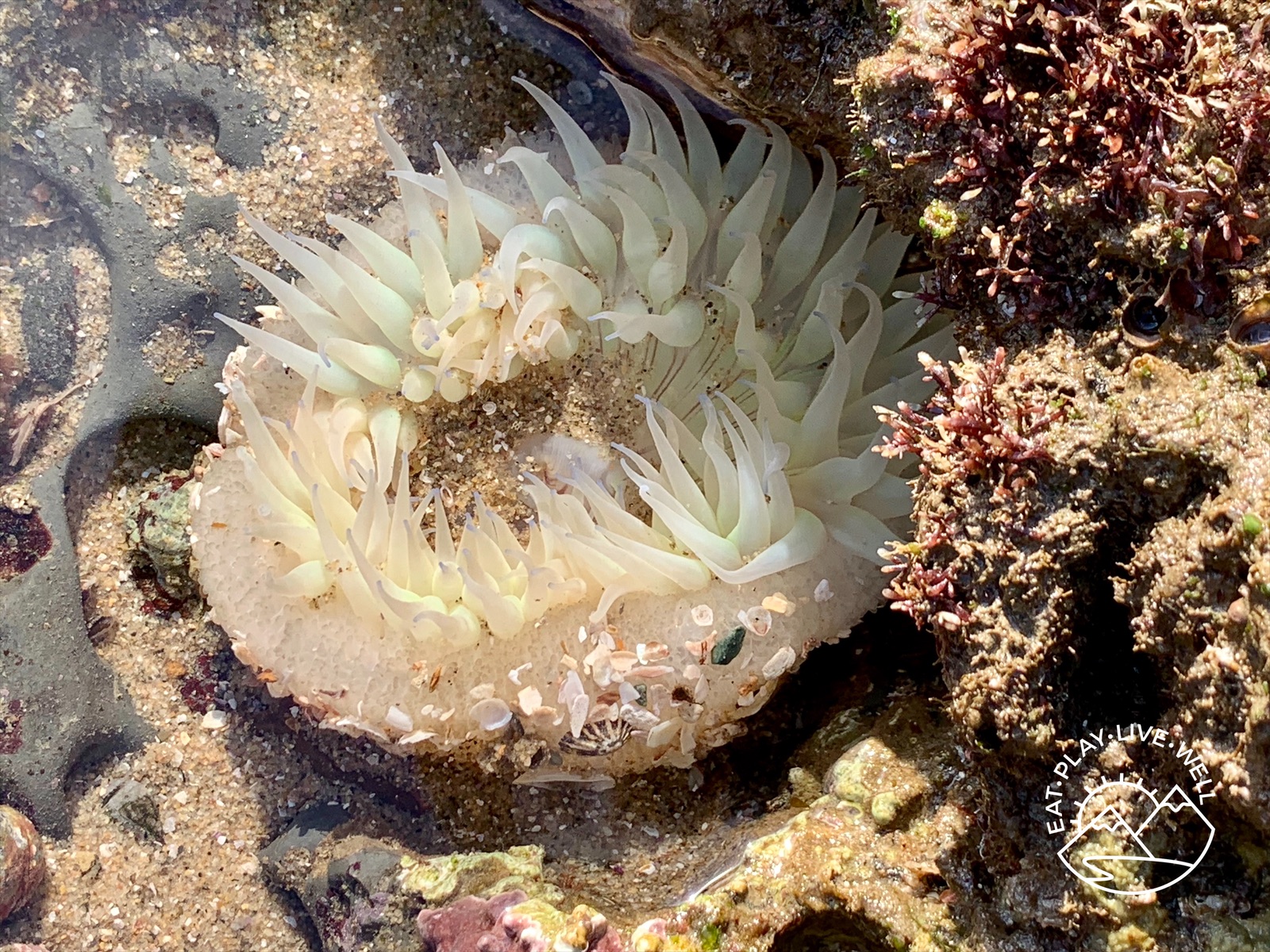
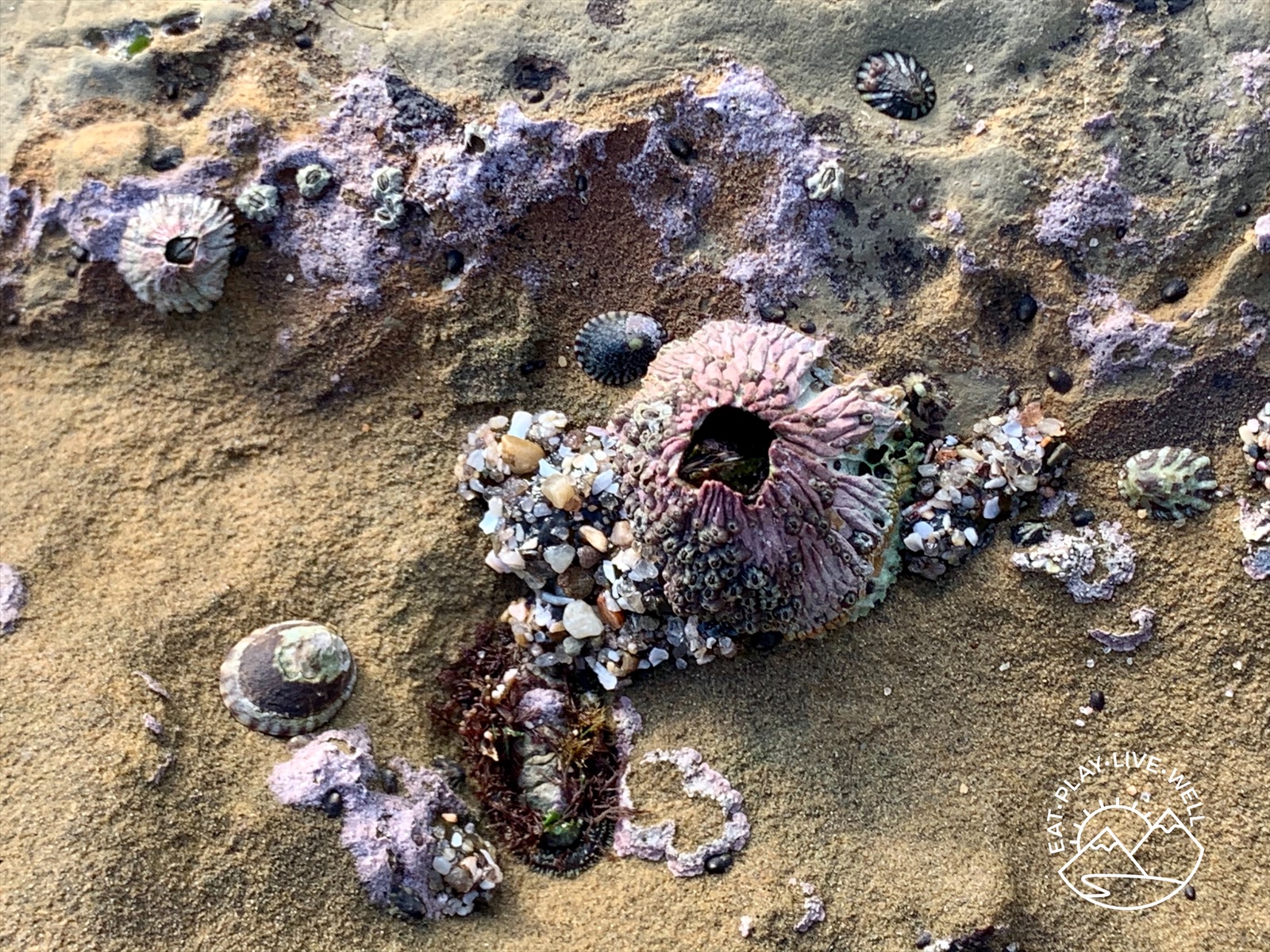
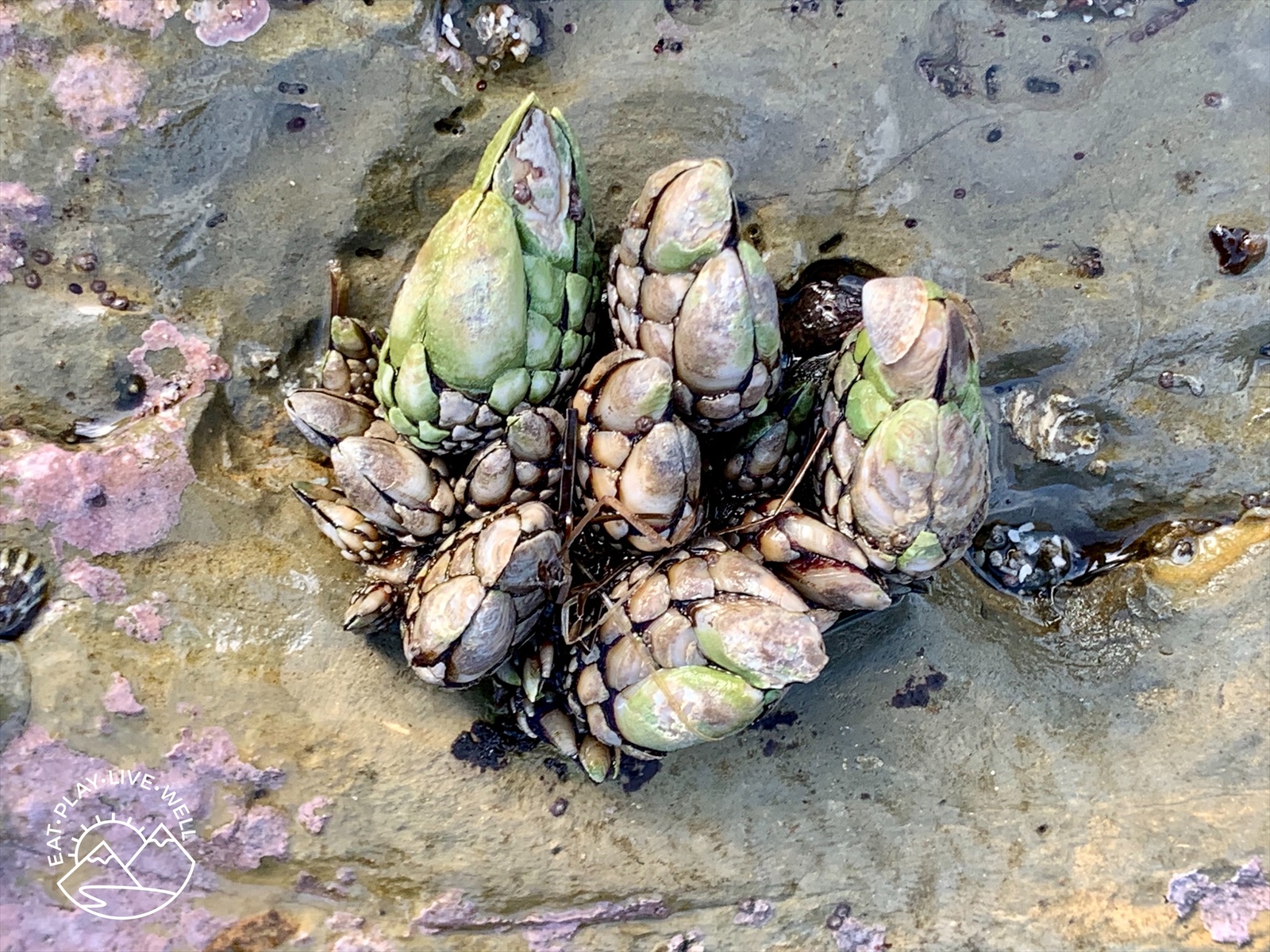
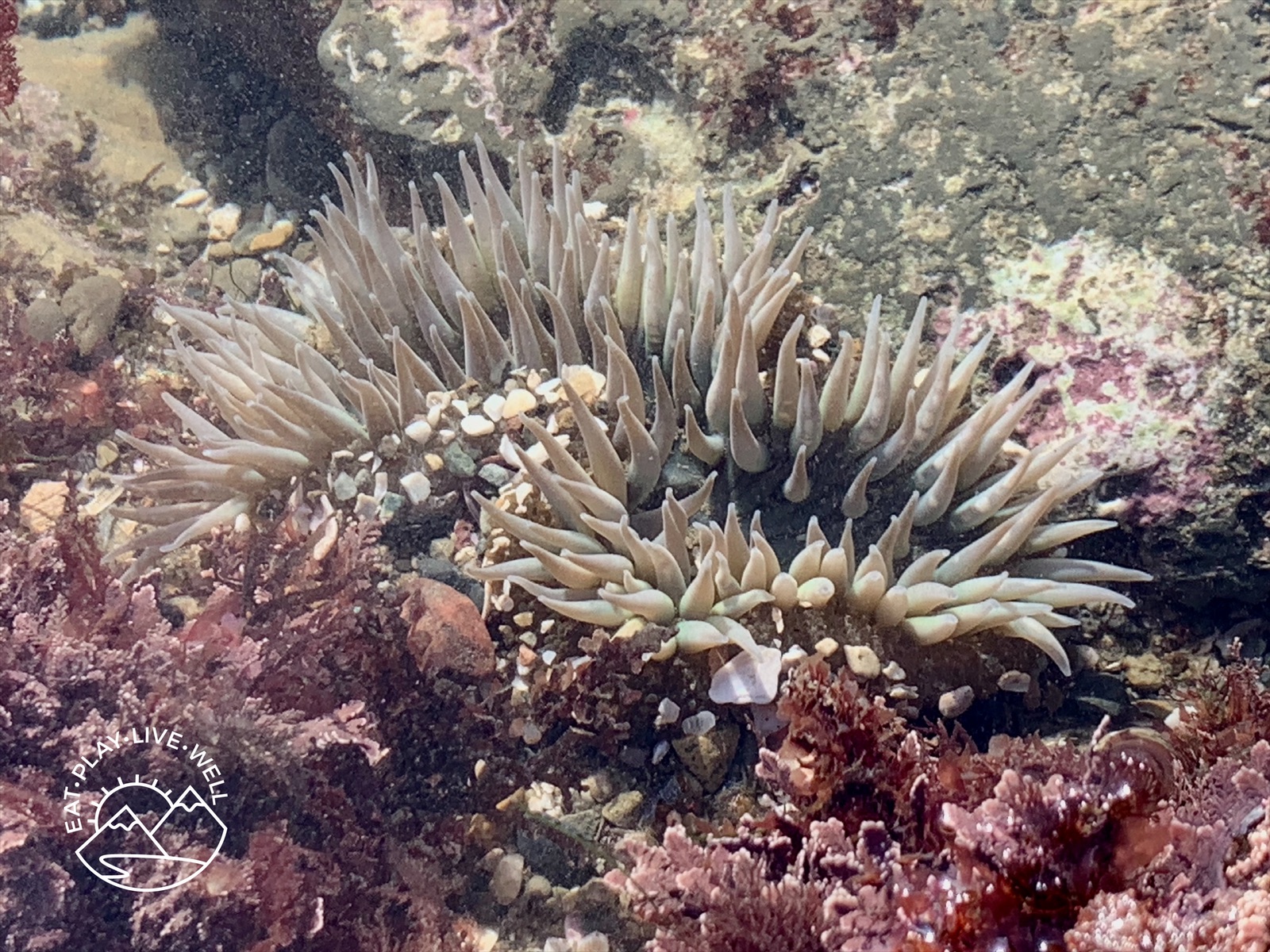
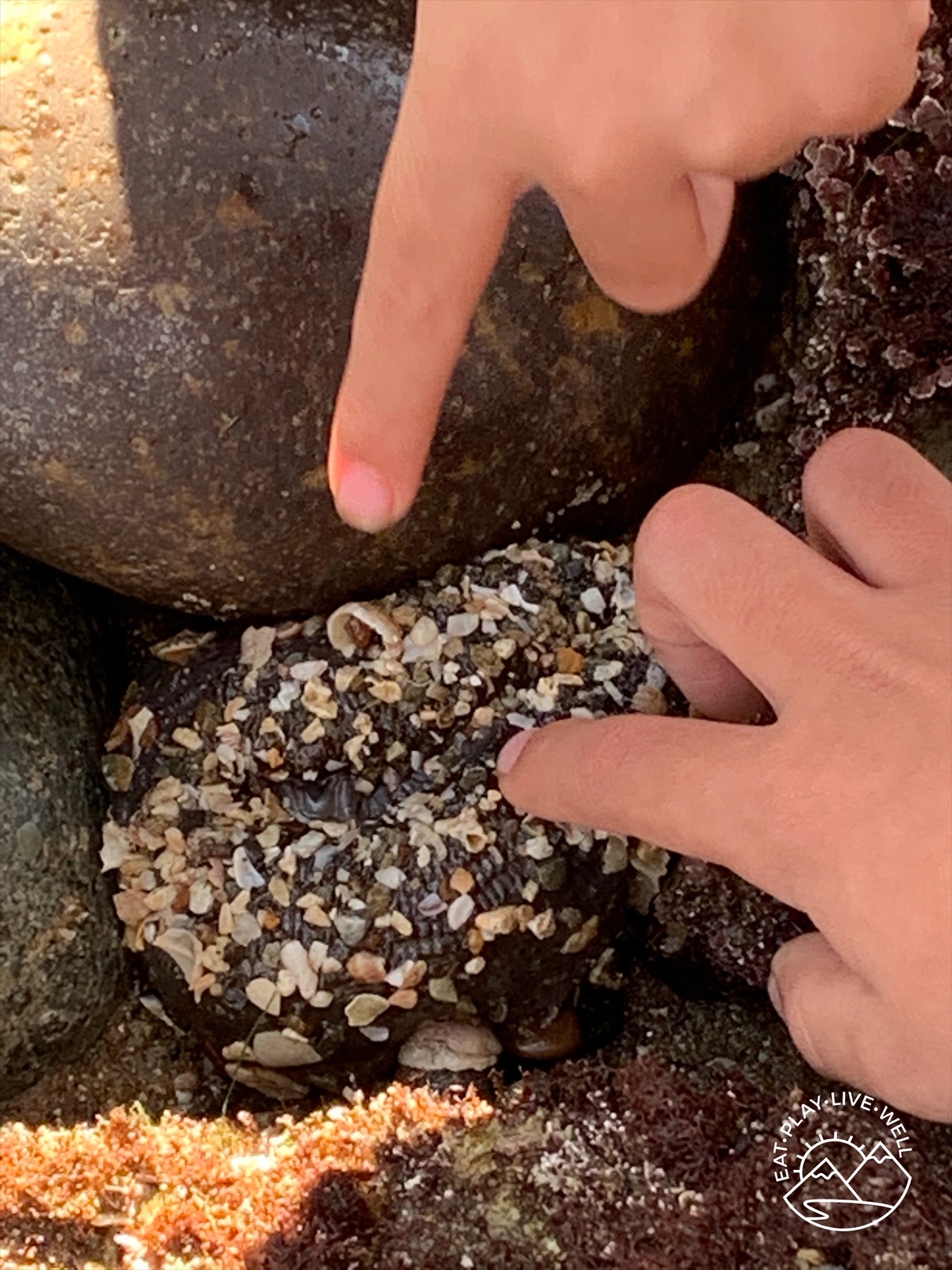
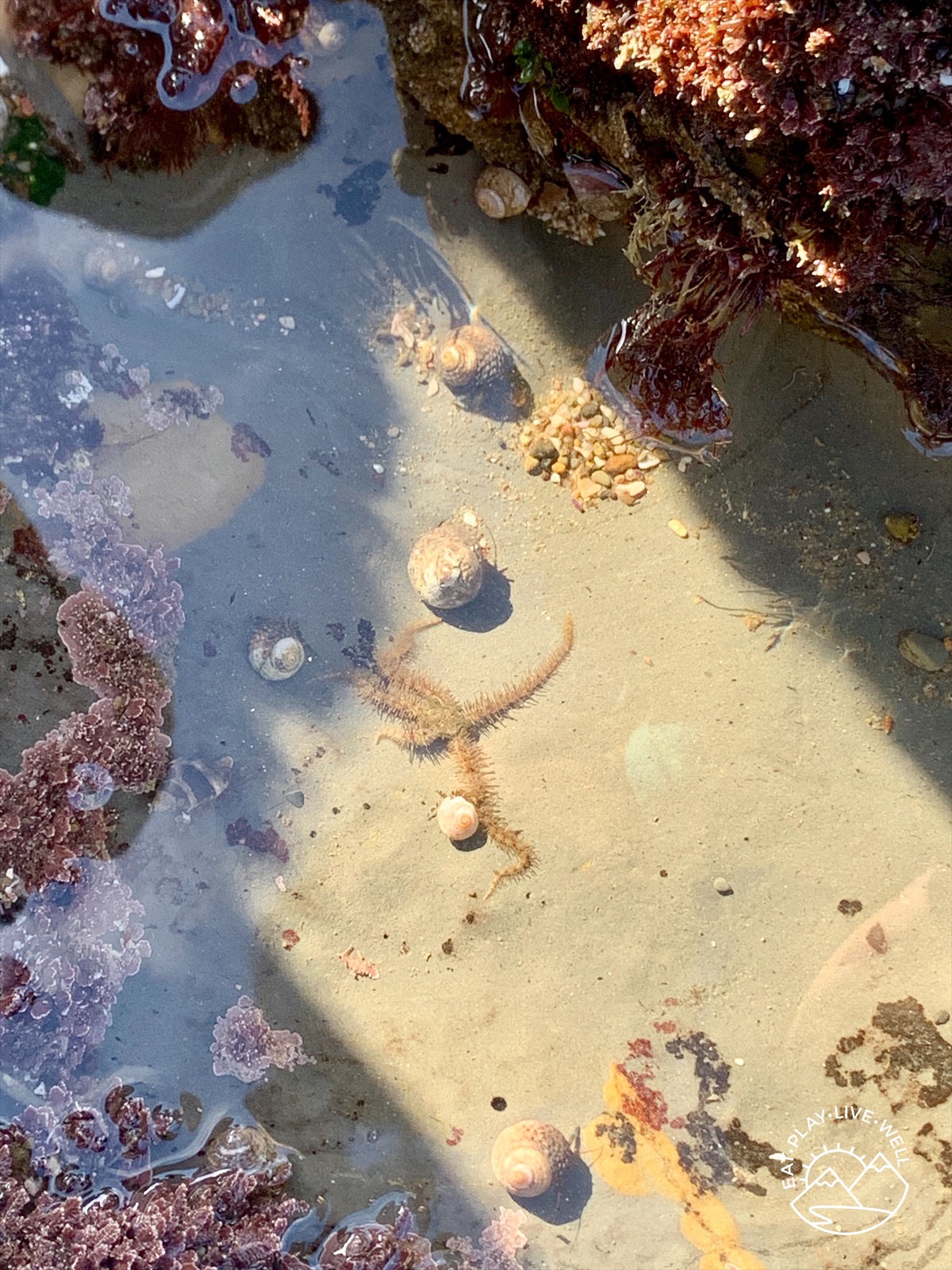
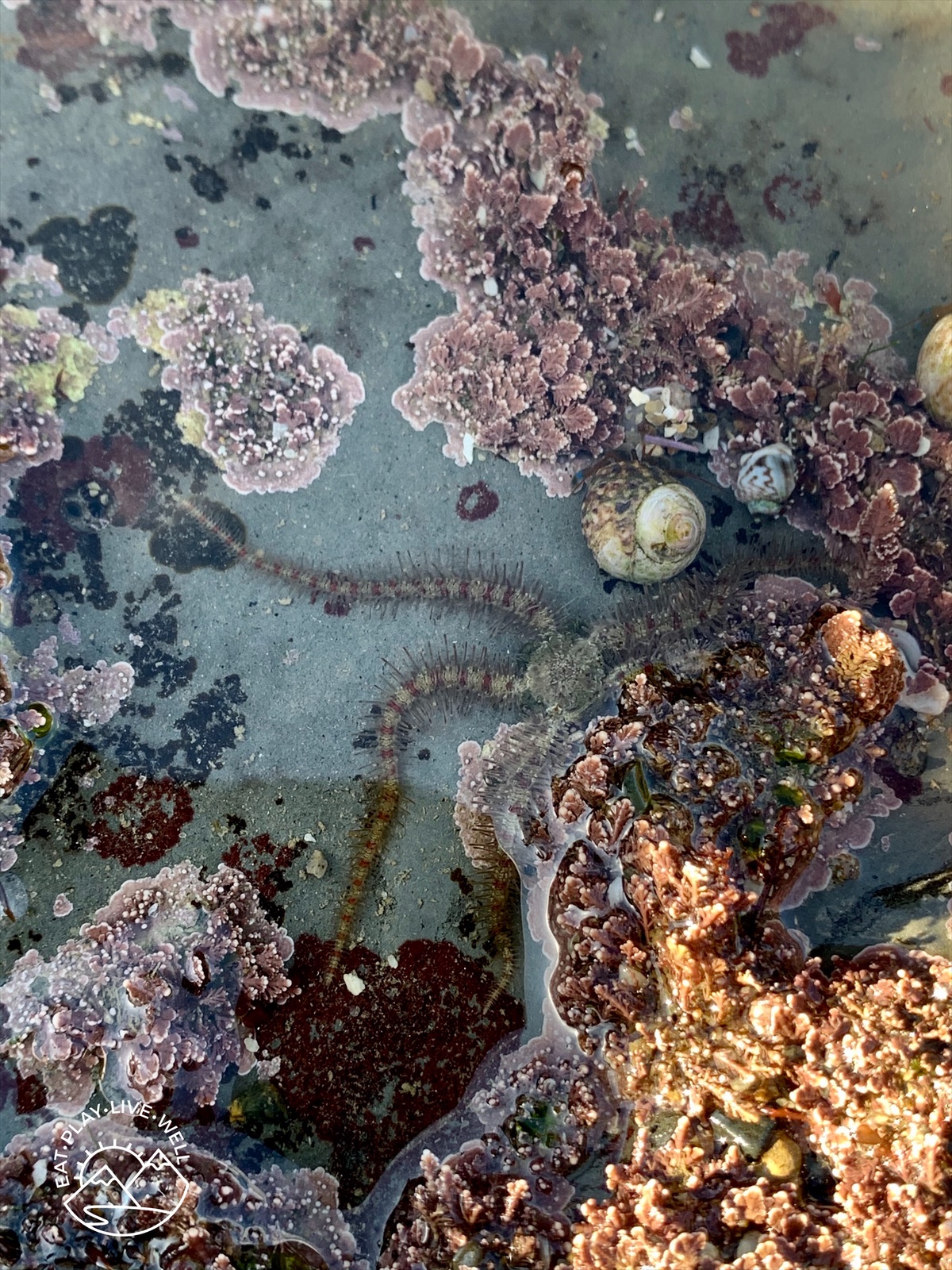
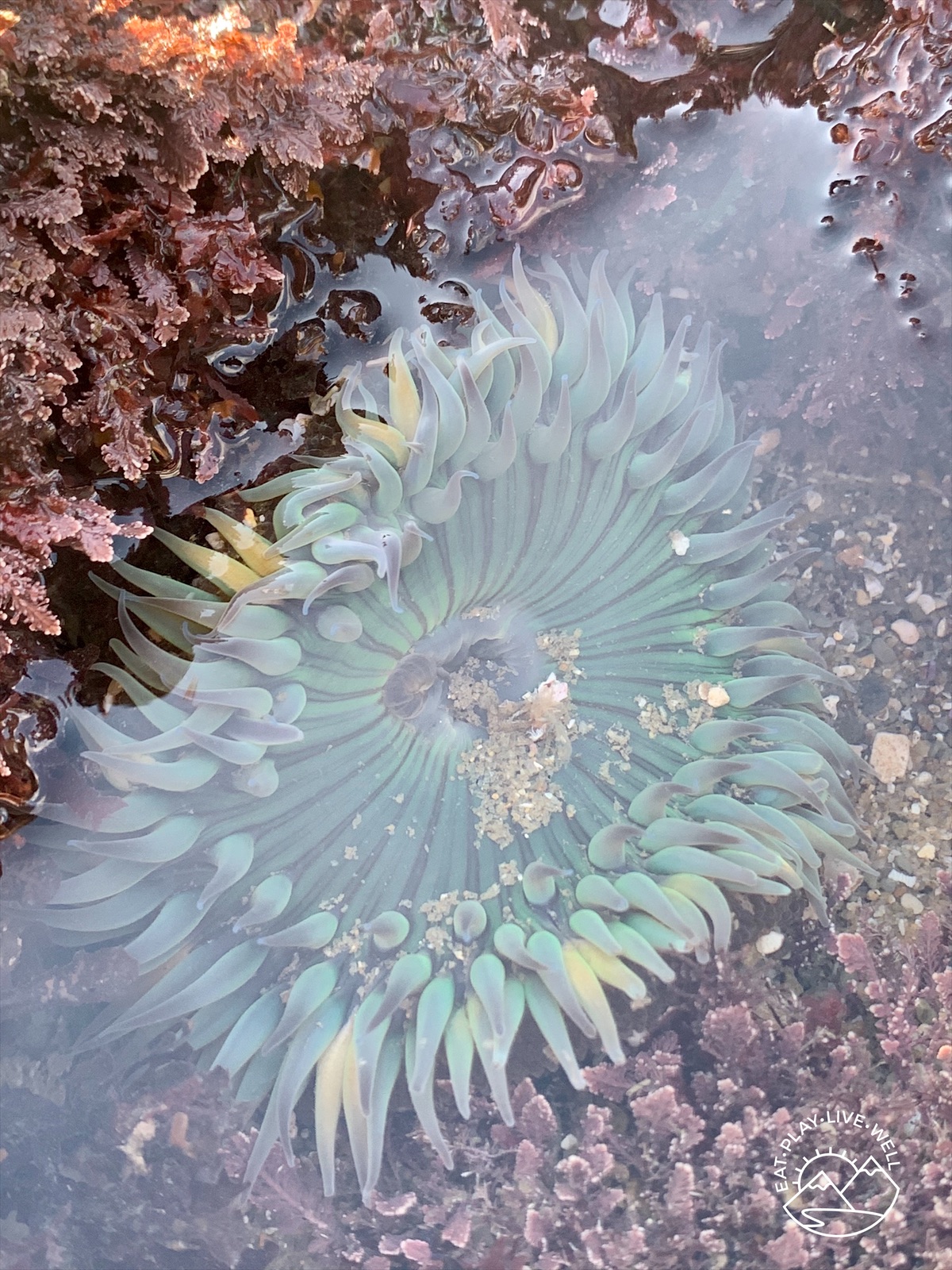
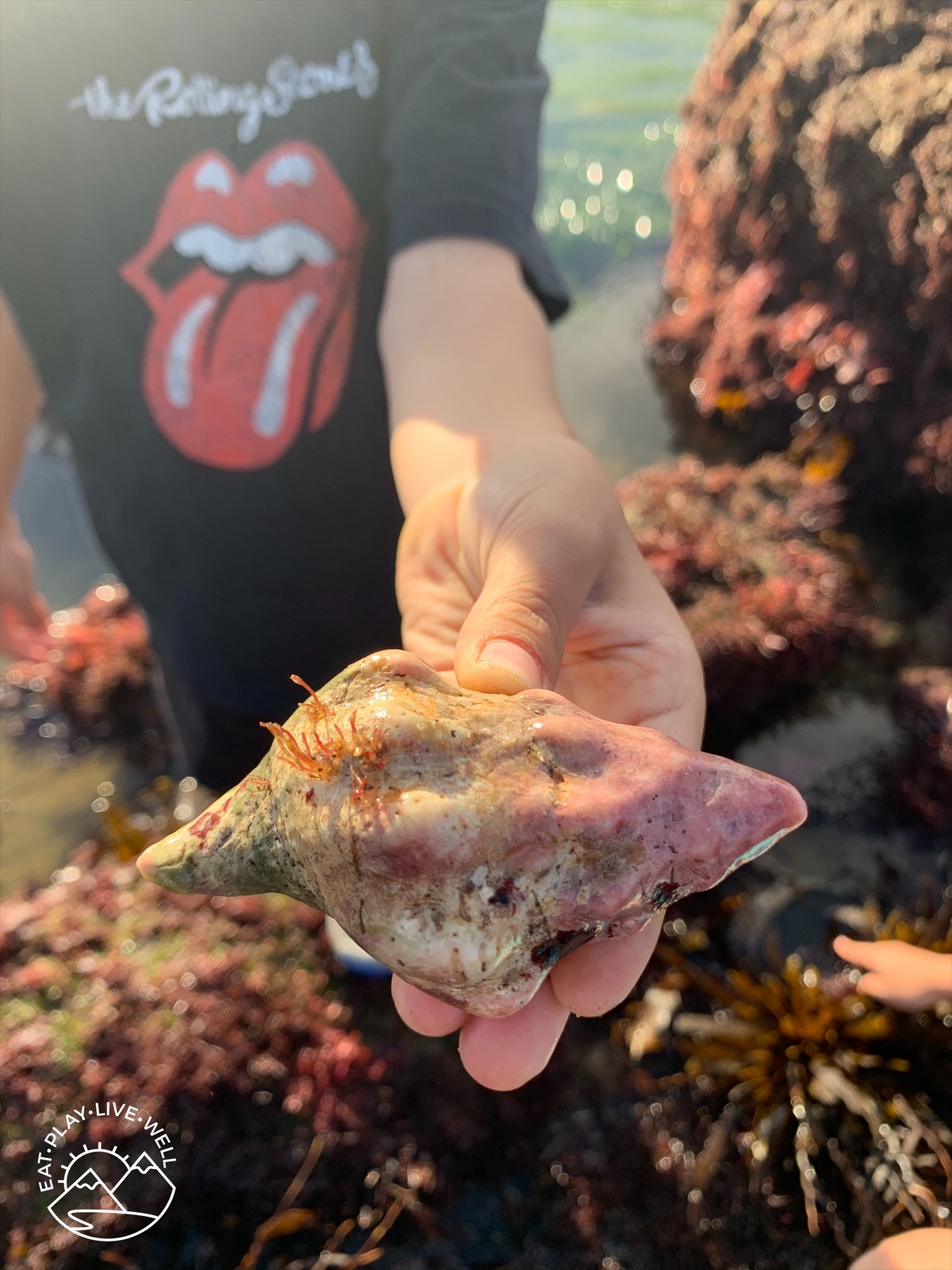
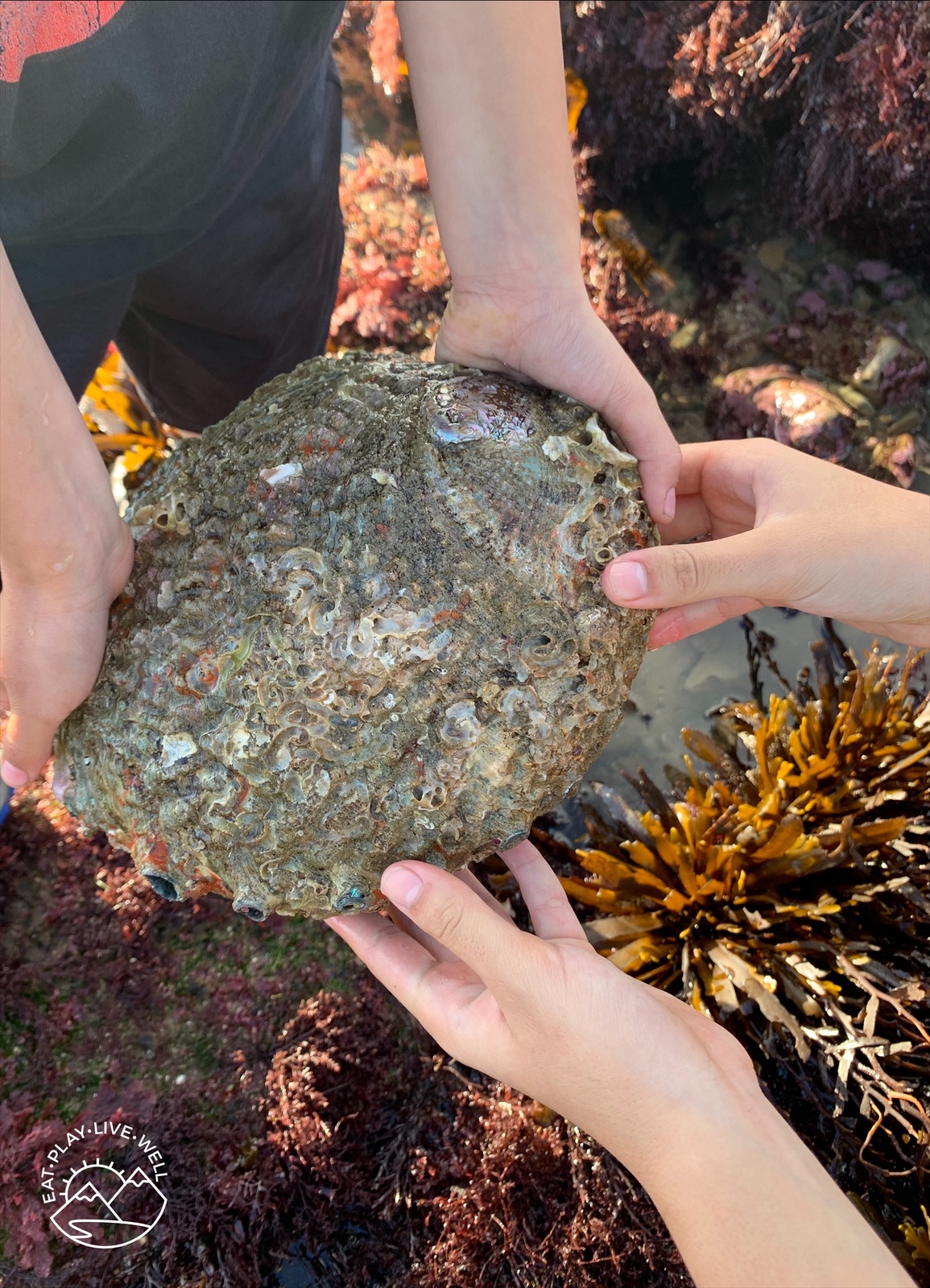
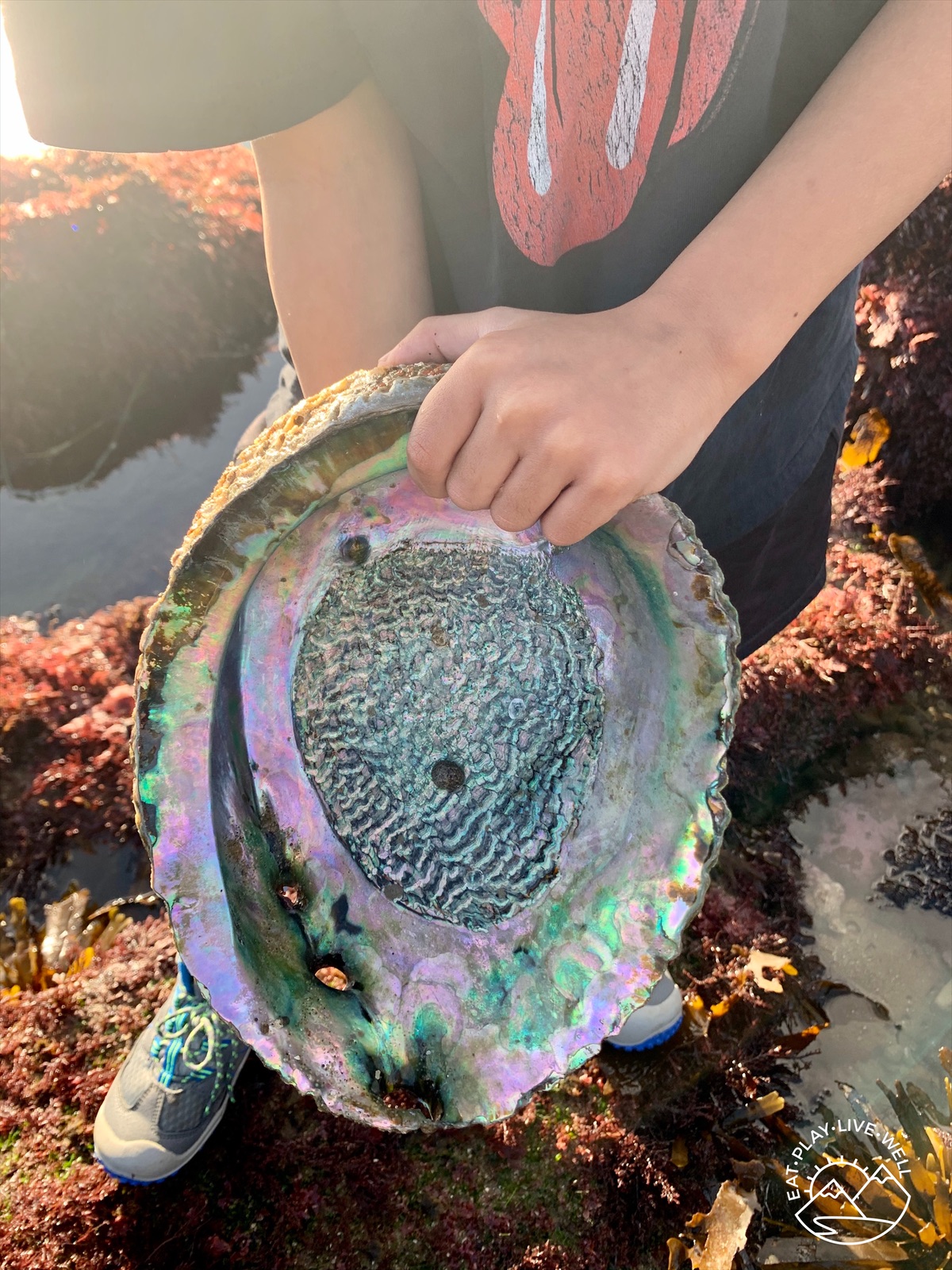
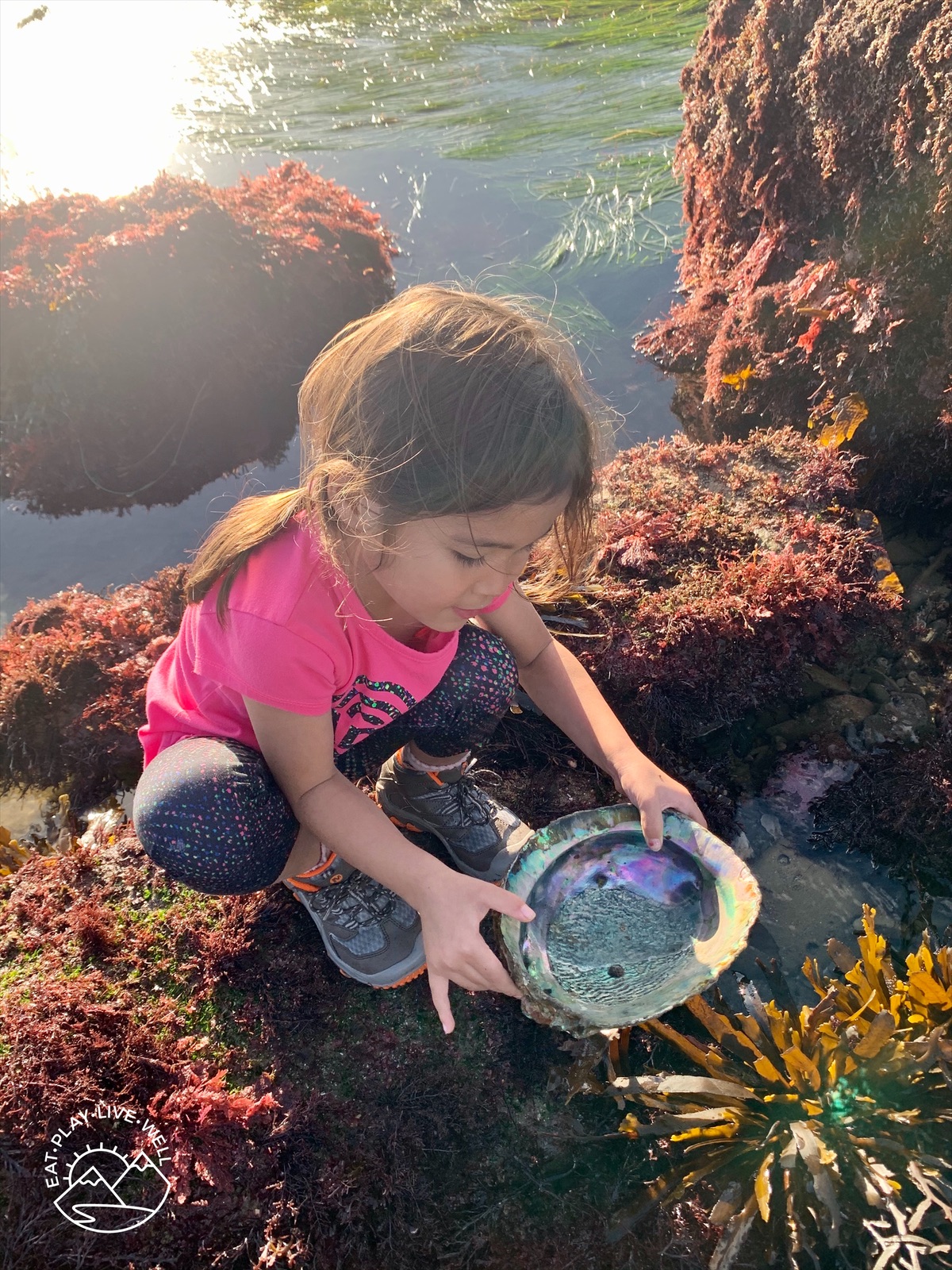
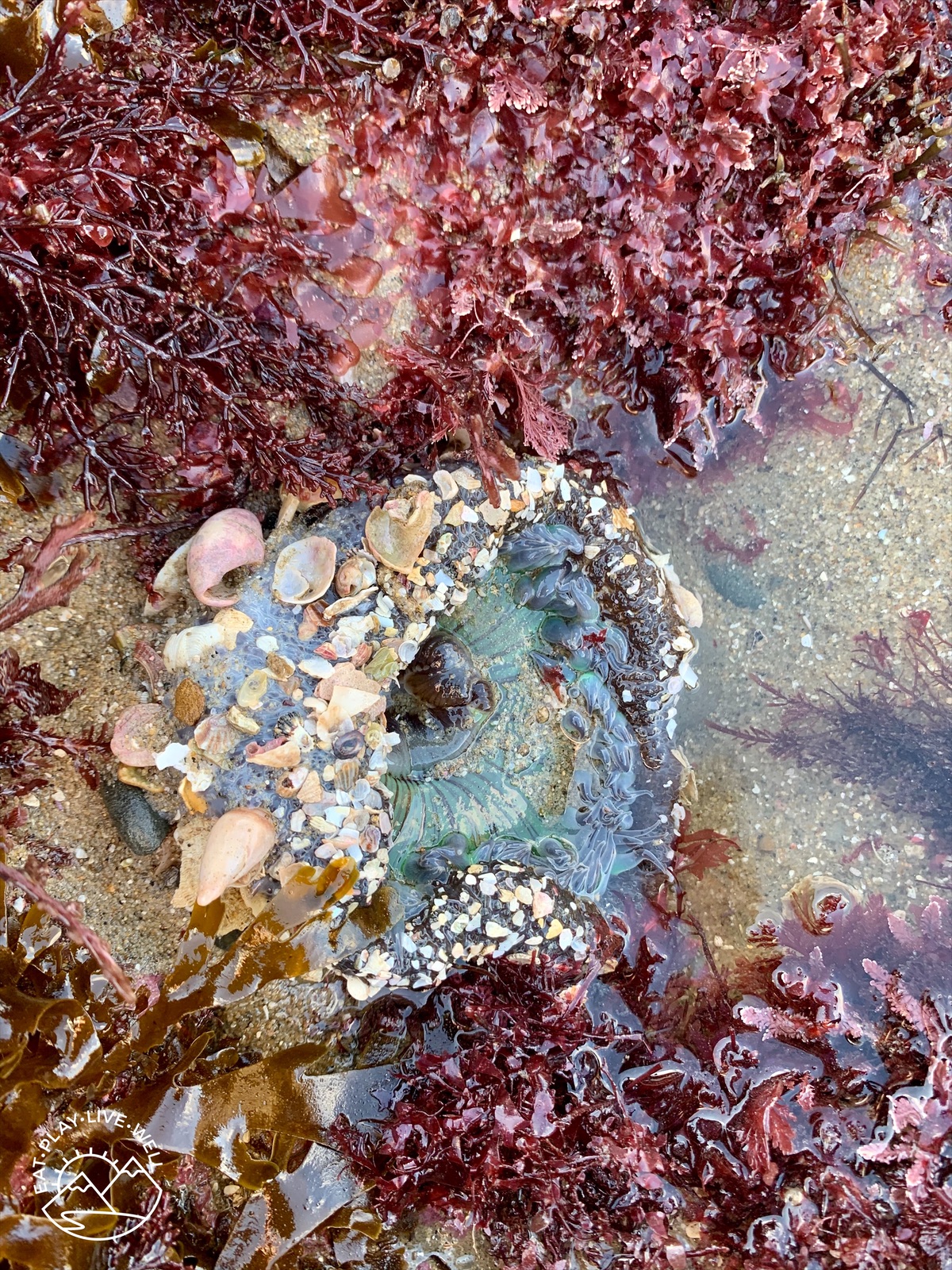
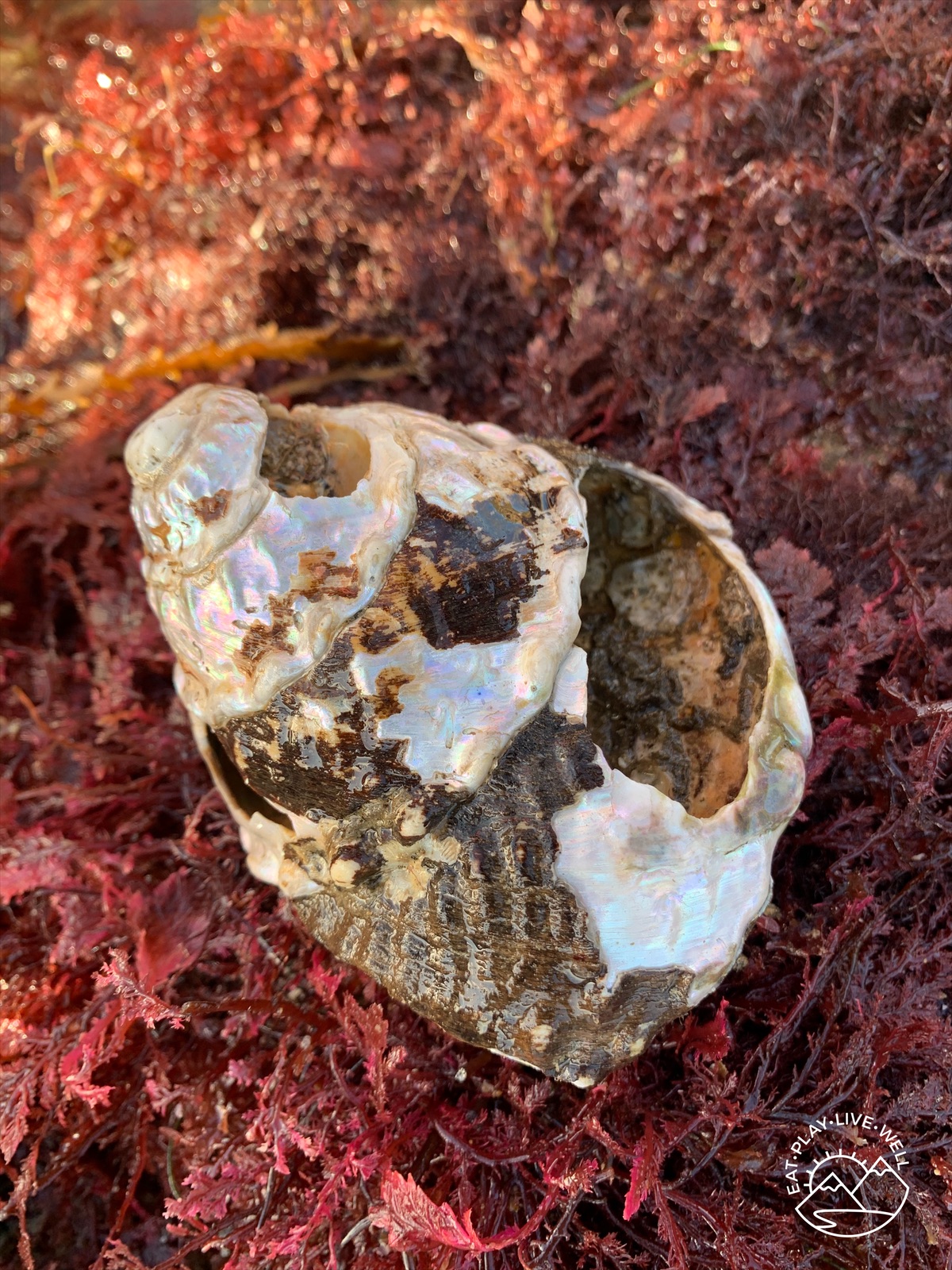
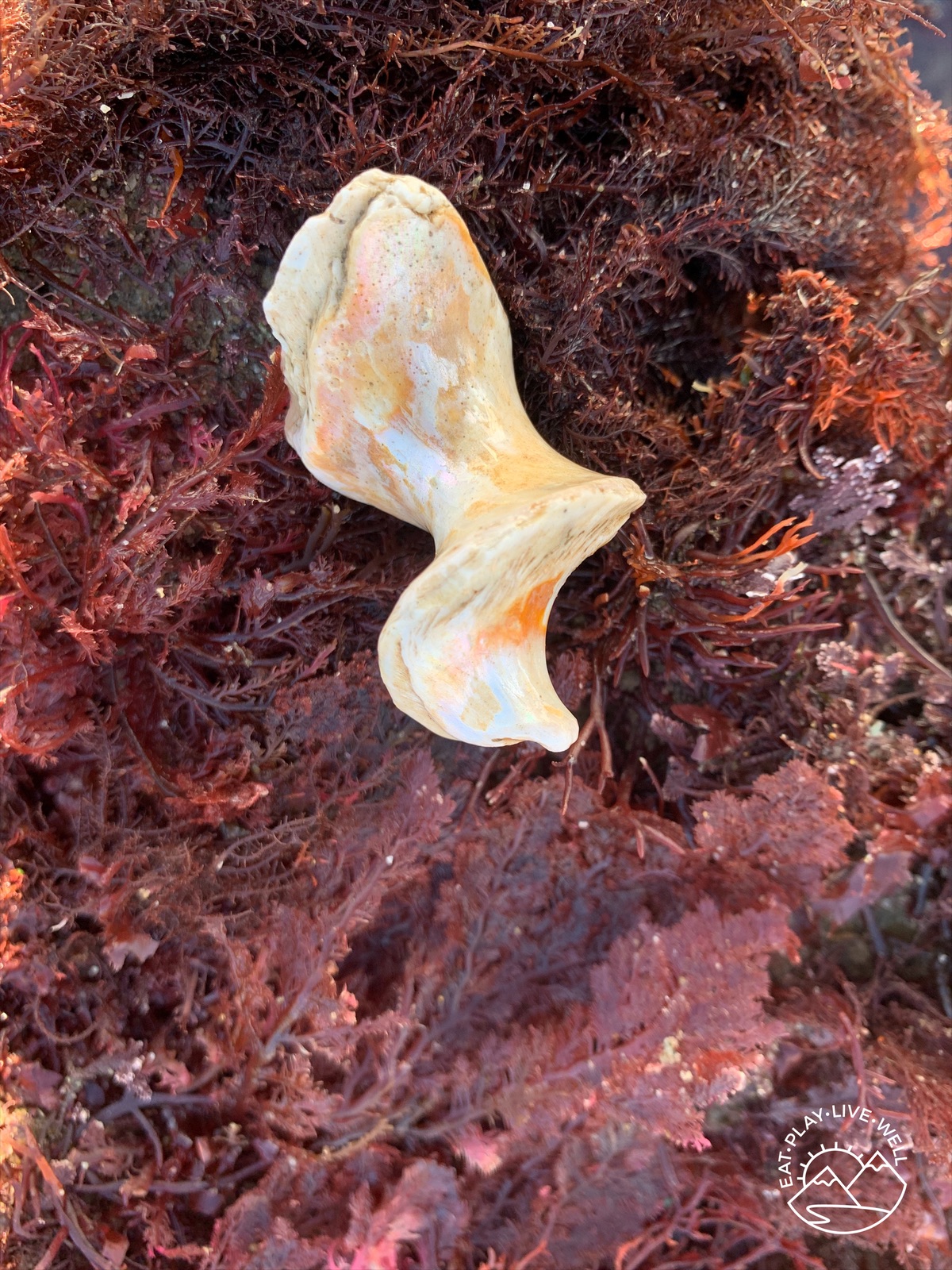
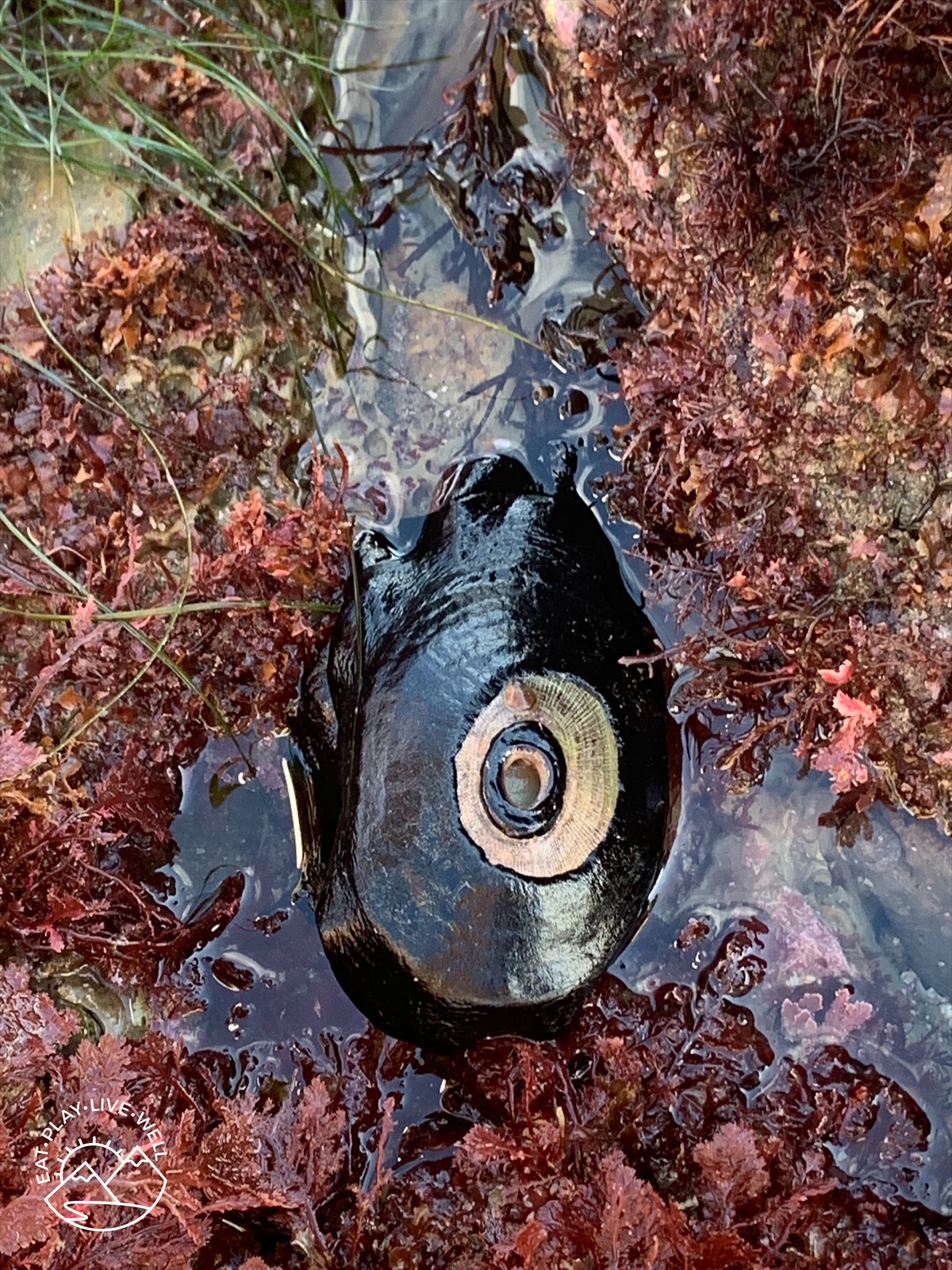
We currently visited Point Loma Tide Pools during King Tide. This is the highest predicted high-tide and lowest low-tide events of the year at a coastal location. We were there for only about an hour, but the kids felt like they were on this incredible treasure hunt. They found tons of beautiful sea anemones, barnacles, and periwinkle snails. We were even fortunate enough to find a brittle star, conch shell, limpit, wavy turban snail, and an amazing abalone shell. Point Loma Tide Pools is a part of Cabrillo National Monument which is in a national park, so it’s unlawful to take anything from the tide pools, but we got some great photos that the kids can continue to look at and enjoy for years.
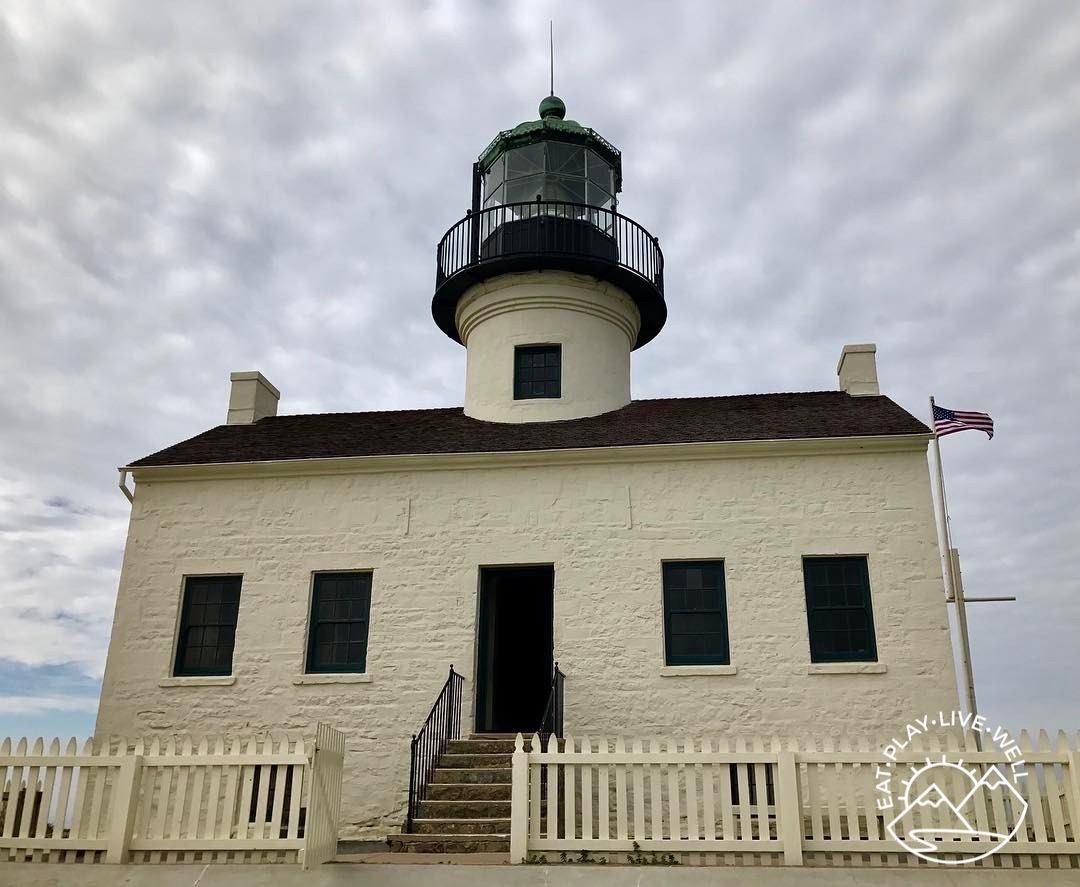
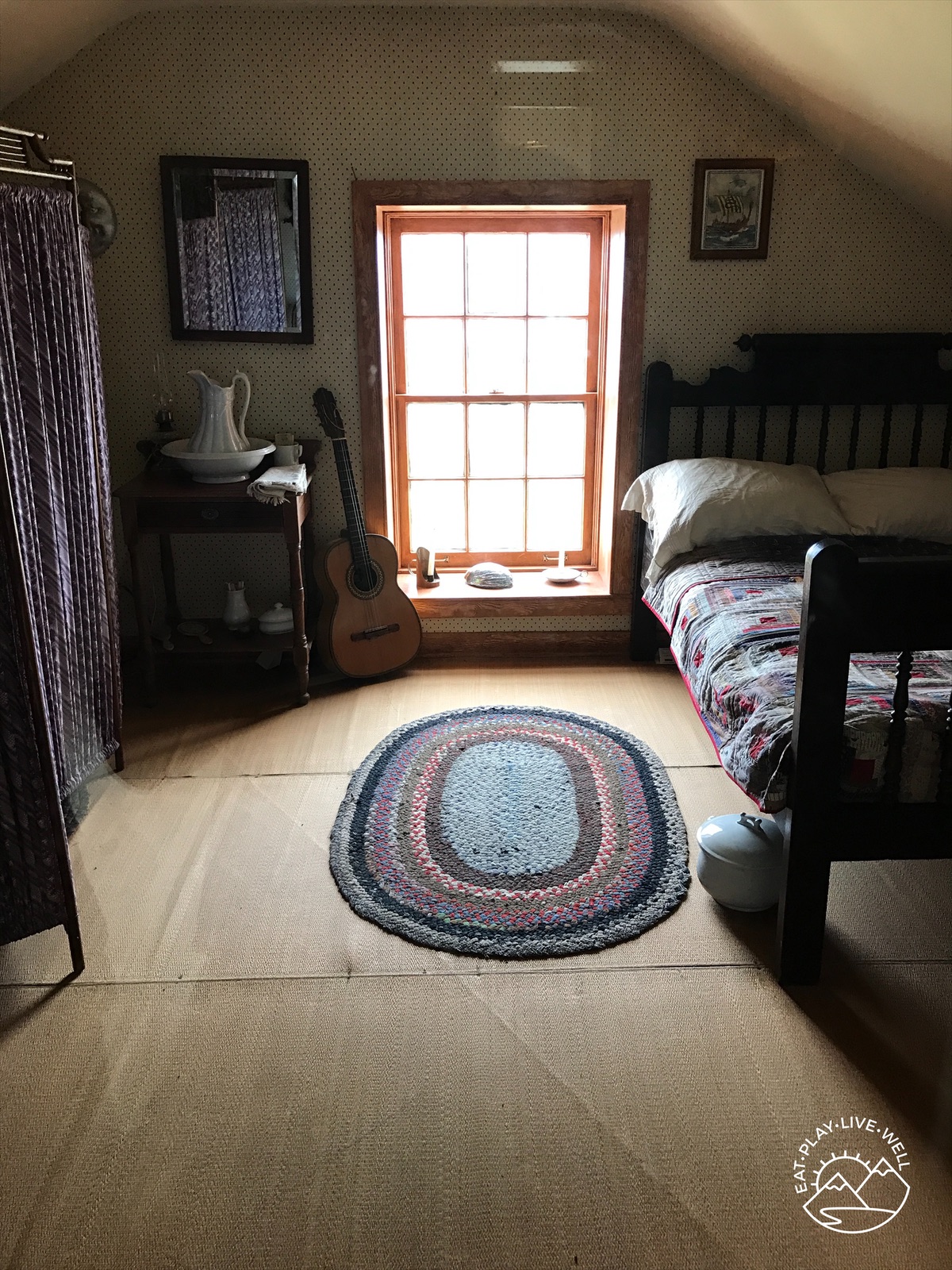
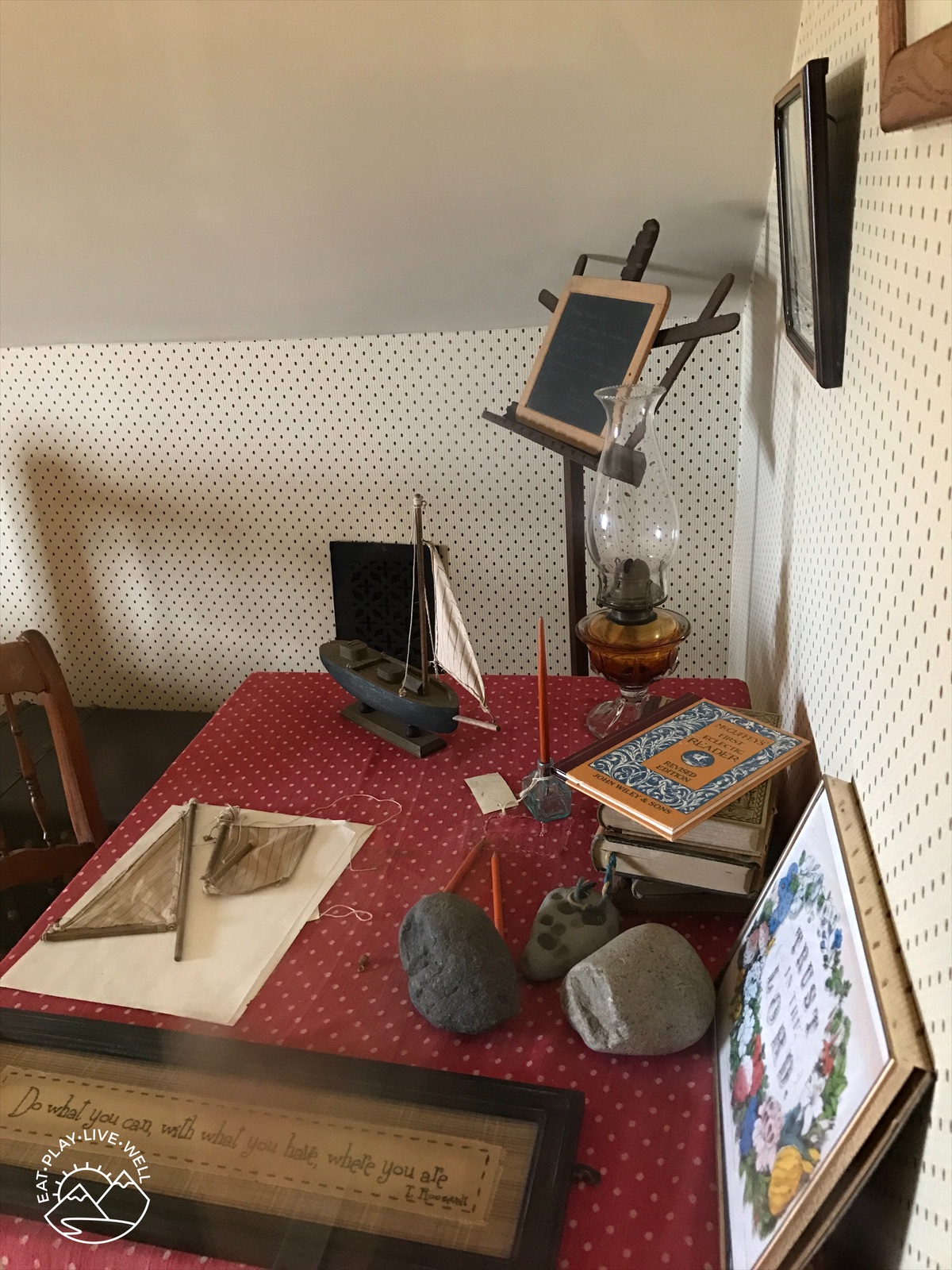
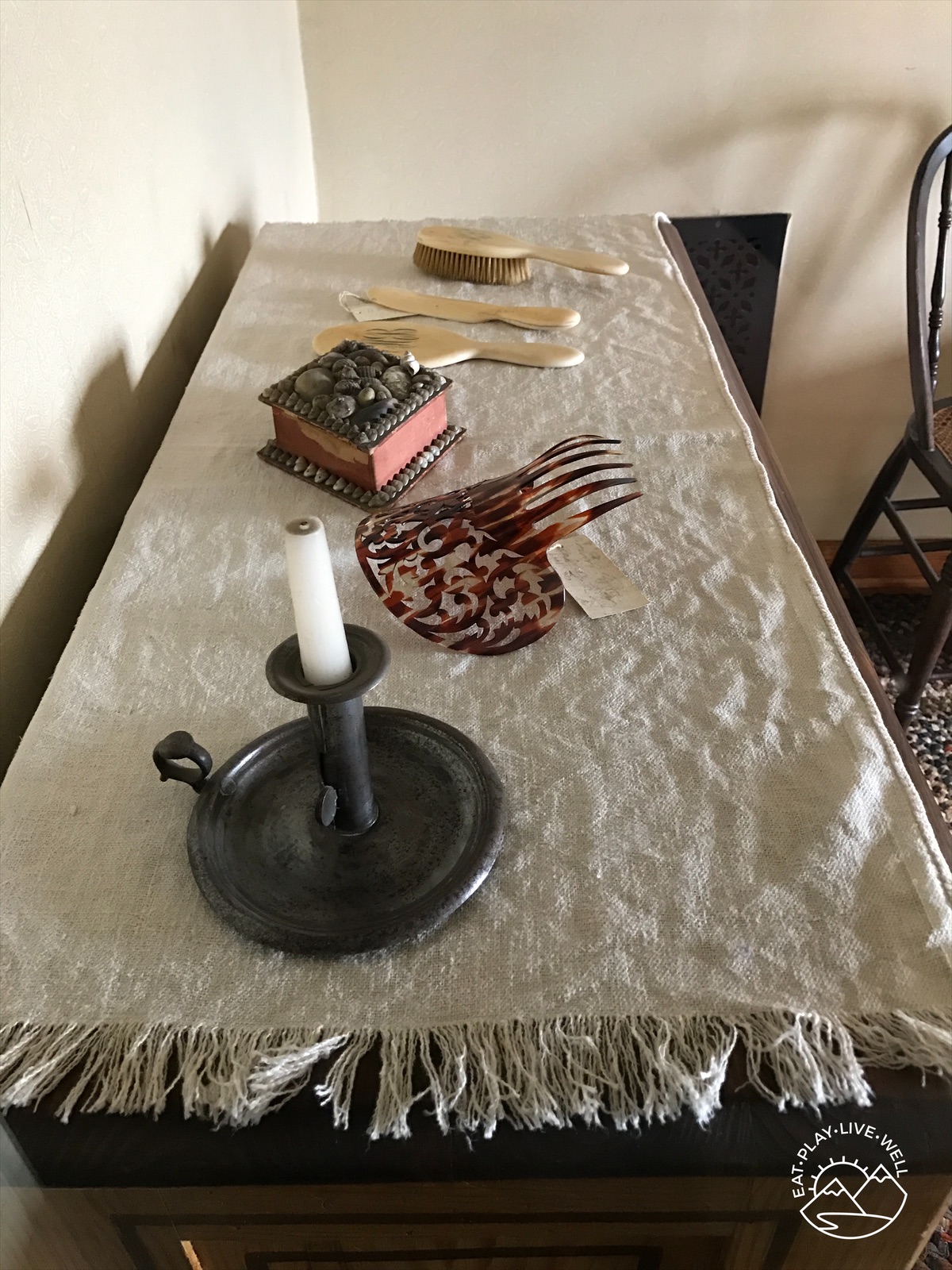
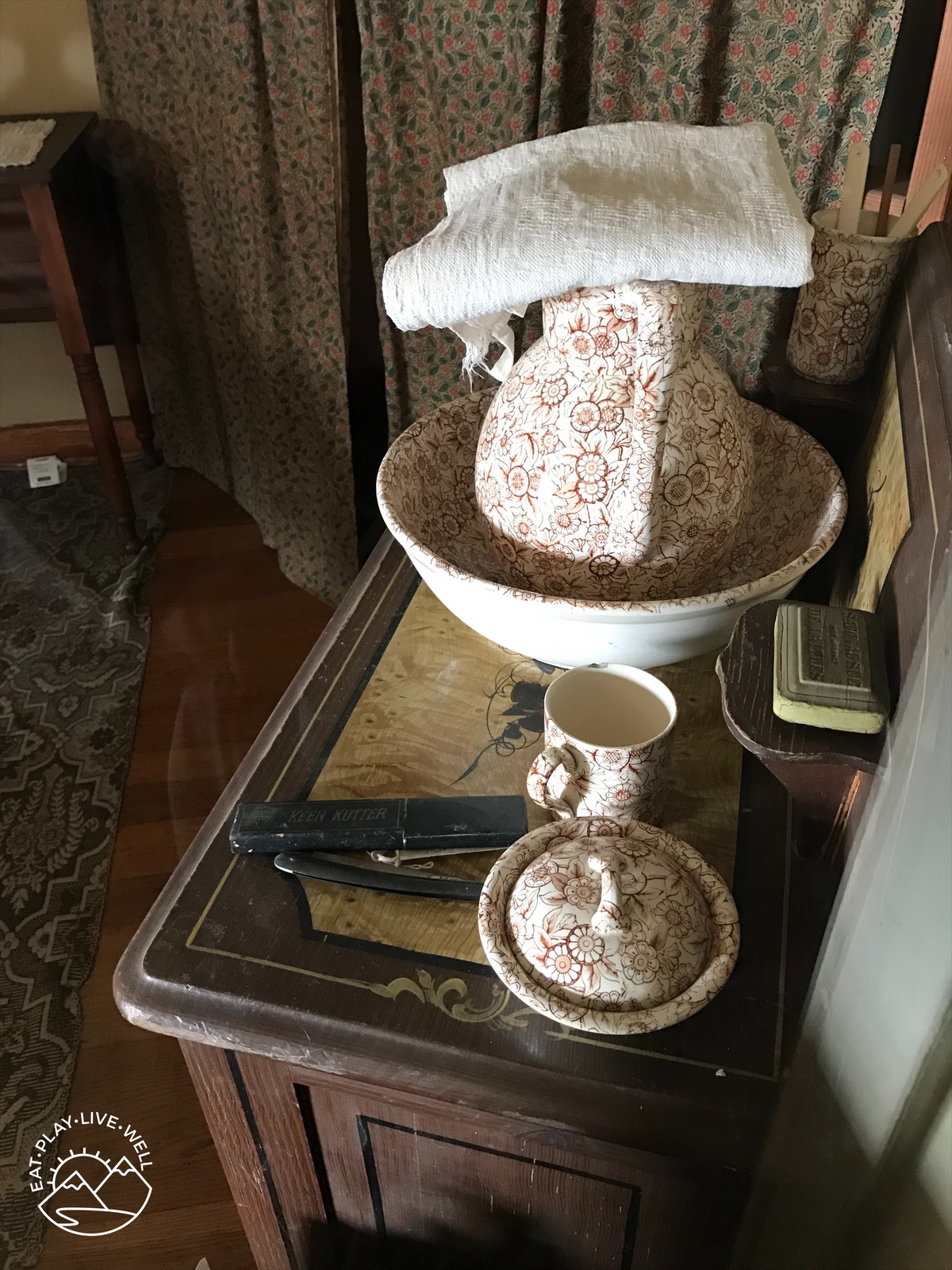
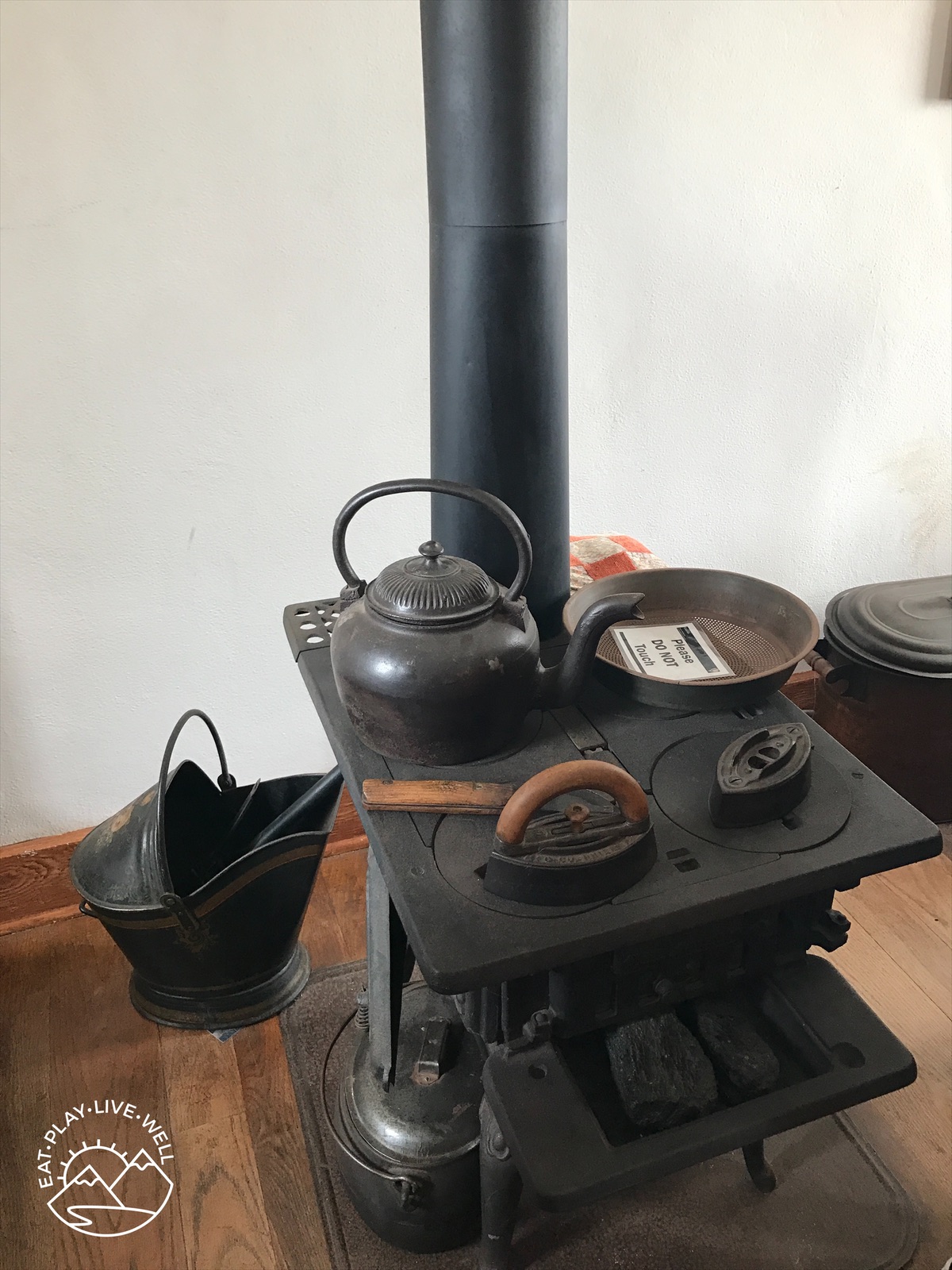
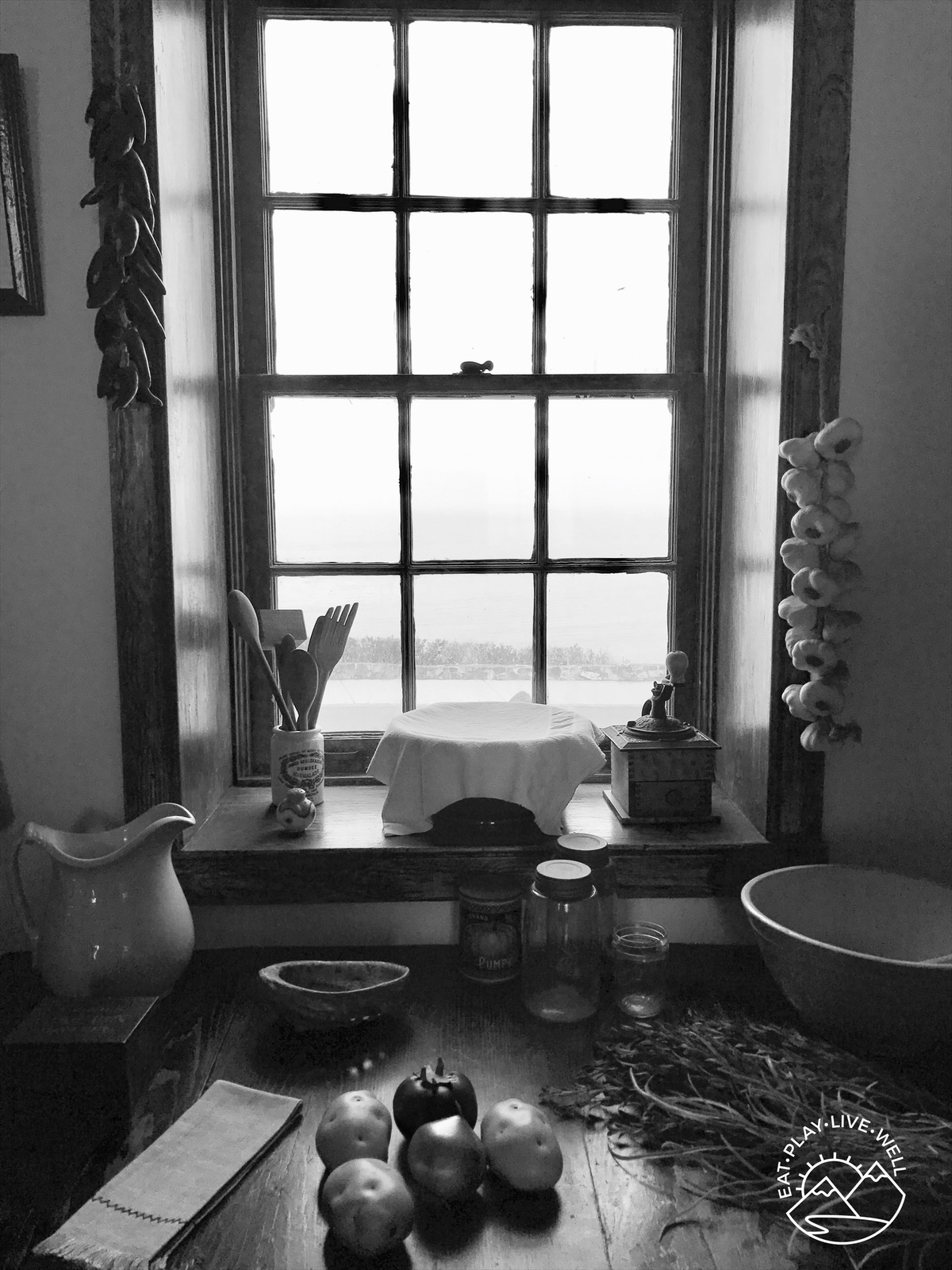
The Old Point Loma Lighthouse is at the Cabrillo National Monument at the southern tip of the Point Loma Peninsula in San Diego, CA. It was lit for the first time on November 15, 1855 using a large cotton wick and whale oil. Once upon a time, the lighthouse was considered to be the highest U.S. light at 462 feet above sea level, and on a clear night, it was visible at a distance of 31 miles. But despite it’s height, the lighthouse was hard to see when it was misty or foggy outside. Plus, seafarers had a difficult time distinguishing the light from others on the shore. In 1891, the New Point Loma Lighthouse was turned on for service and is still active today. Only 100 yards away from the old lighthouse, the current one is only 88 feet tall, making it visible below the clouds and fog. And unlike the original lighthouse, the new one doesn’t require a live-in keeper to keep the lights on at night.








 adventureswithmrbean.travel.blog