
We have been fortunate enough to have visited Mission Basilica San Diego de Alcalá four times in the last seven years. We have seen two of my cousins (actually sisters) get married there. My oldest daughter received the Girl Scouts Family of God Diocese of San Diego Religious Award in the church back in 2015. And we visited the the mission in 2017 when my oldest son was learning about missions for his 4th grade California studies. The beautiful architecture and courtyard are just a couple of the things that make San Diego Mission de Alcalá a must-see if you’re ever in Southern California. Go for the history, stay for the magnificent landscaping, and leave feeling like you’ve gotten a small taste of an important part of North American history.
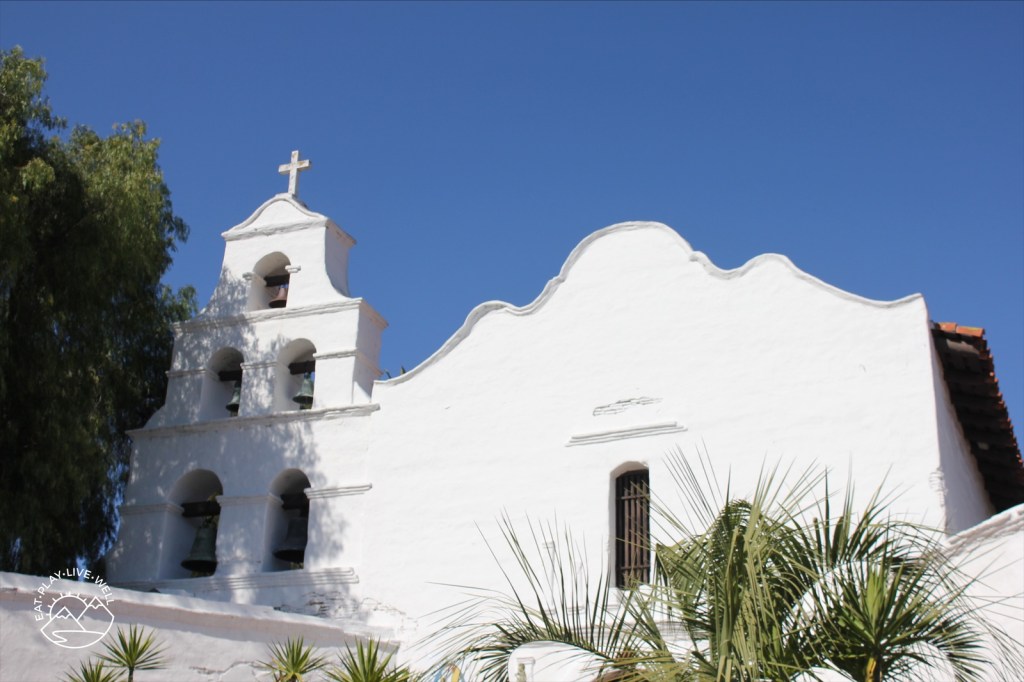
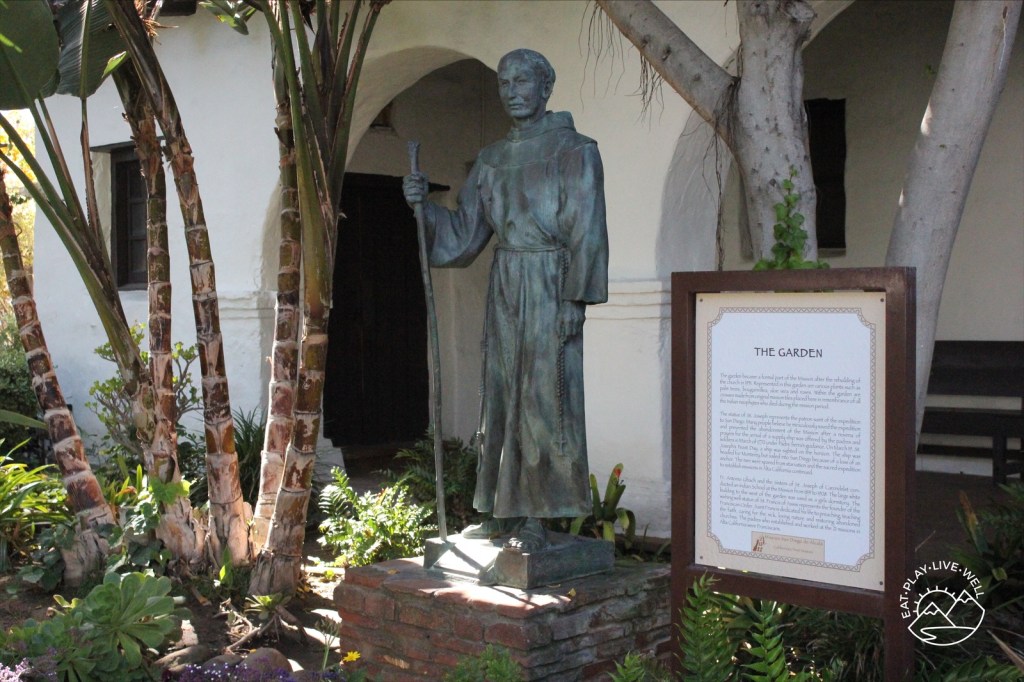
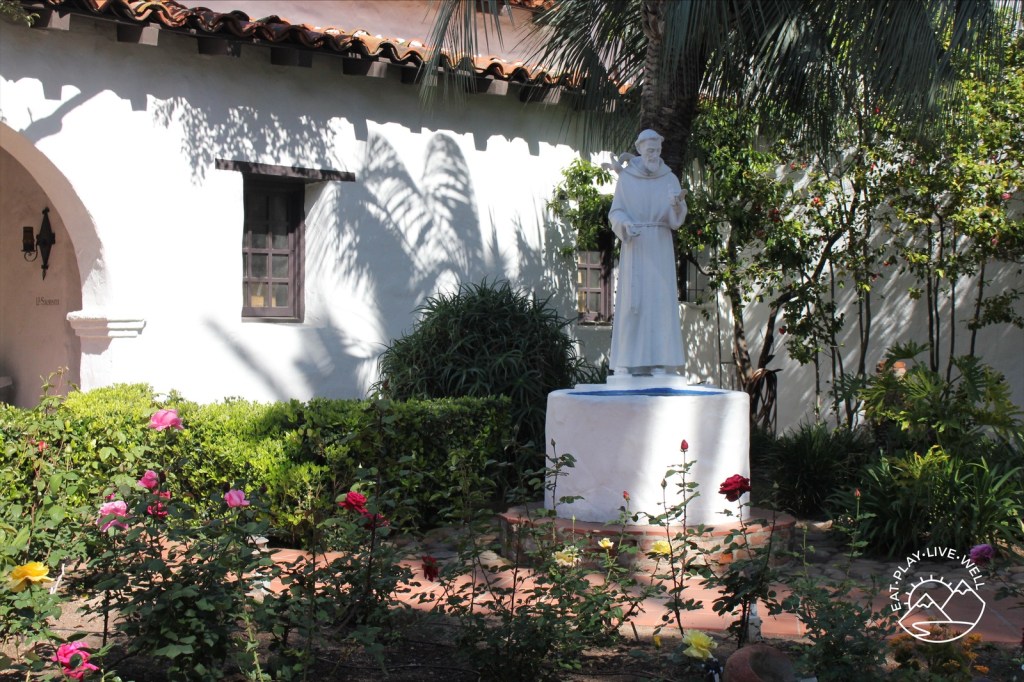
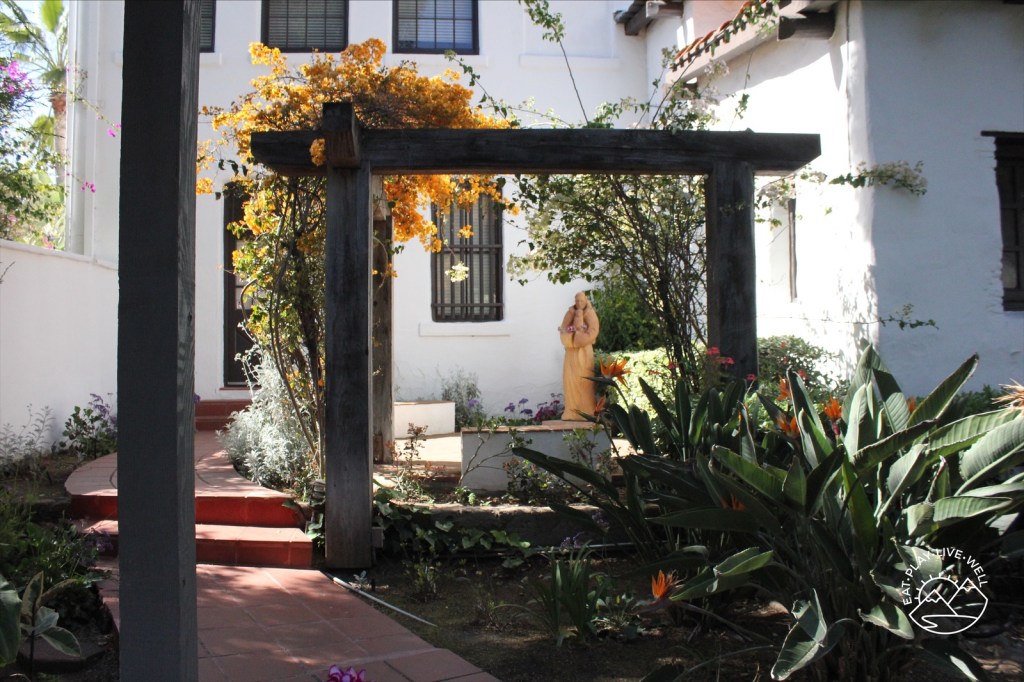
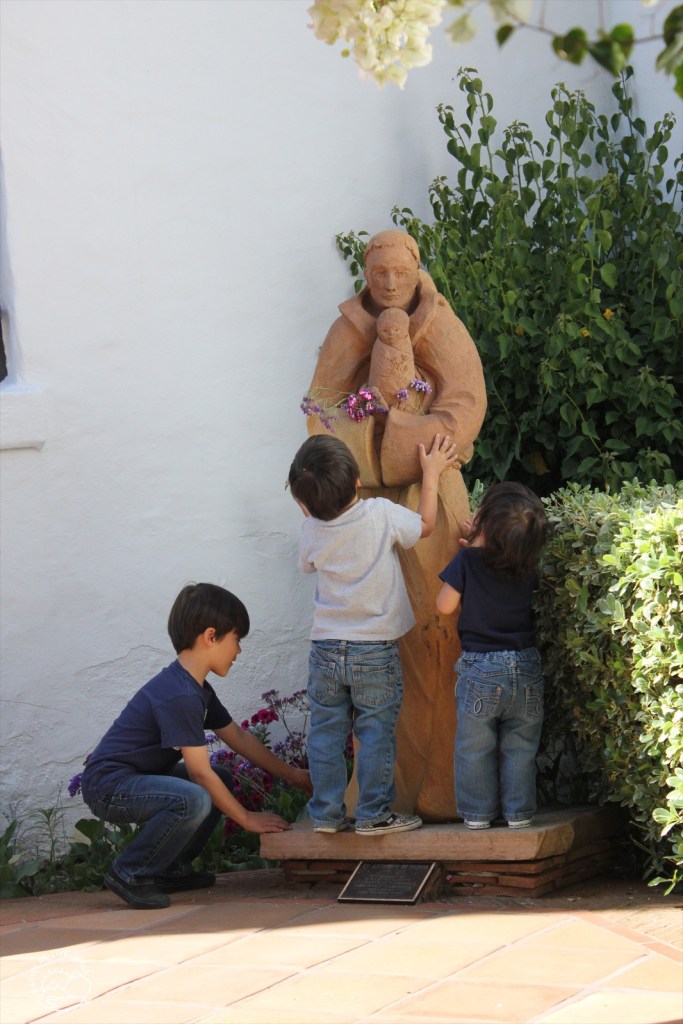
Photo taken in 2017 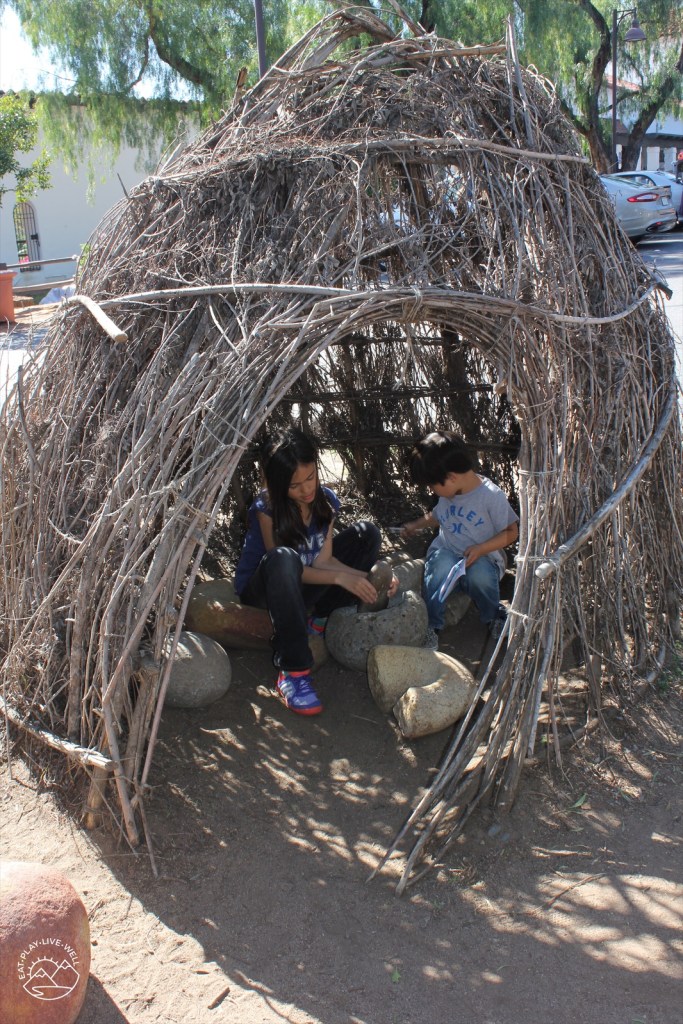
Photo taken in 2017 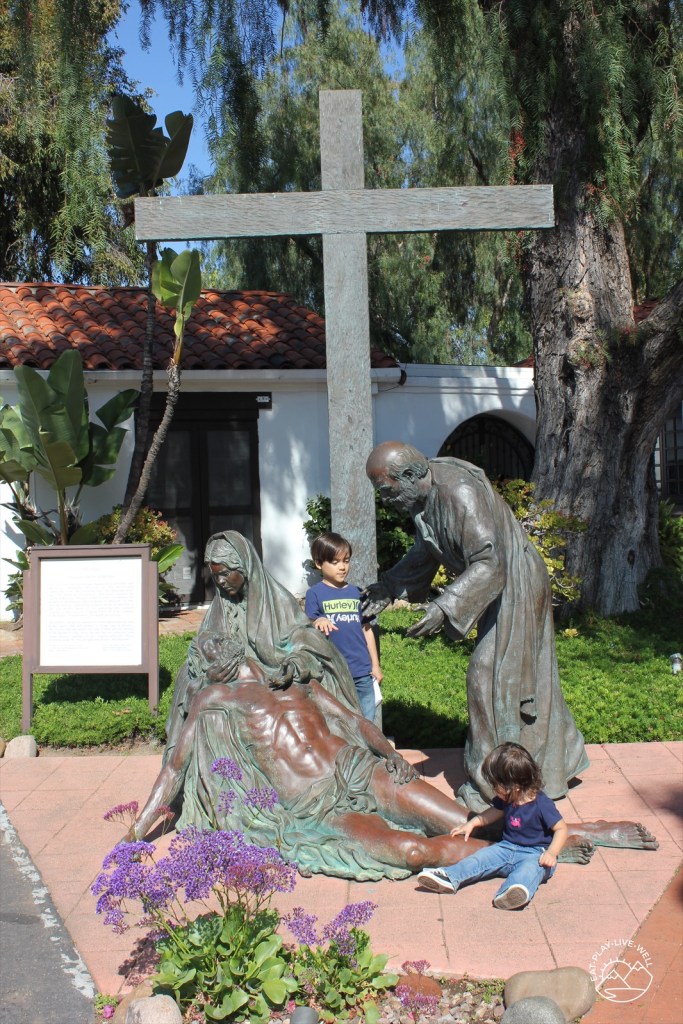
Photo taken in 2017
Mission Highlights:
Mission Basilica San Diego de Alcalá is number 1 of 21 Missions in California.
The mission was founded on July 16, 1769 by Father Junipero Serra and named after Saint Didacus (Diego) of Alcalá who died in Alcalá de Henares, Spain.
Olives in California were first cultivated at Mission San Diego.
The church is the 5th one built in San Diego. The first one was moved to the current site due to drought. The second one was burned by Indians a year later.
In 1976, Mission San Diego de Alcala was named a basilica, a church of very important historical significance and an honor only bestowed by the Pope.
There are only three other basilicas: Mission San Francisco de Asís (Dolores), Mission San Carlos Borroméo (Carmel), and Mission San Juan Capistrano.
A 46-foot tall bell wall called campanario holds the mission’s five bells. Only one of the large bells in the tower is original and is recognized by a crown on top of it and is dated 1802. The other large bell is made up of pieces of the original bells. The two middle bells are crown bells. The large non-crown bell is rung two times a day – at noon and 6 p.m. – and before every Mass on Sundays. All five bells are rung at the same time only once a year on the birthday of the mission.
El Camino Real, known as The Royal Road or the King’s Highway, begins in San Diego and continues north for 600 miles and ends at Mission San Francisco Solano in Sonoma. The trail can be followed by a series of commemorative bell markers.
The Kumeyaay tribe were the Native Americans who lived in this area.

 adventureswithmrbean.travel.blog